April 25, 2026

Bitcoin

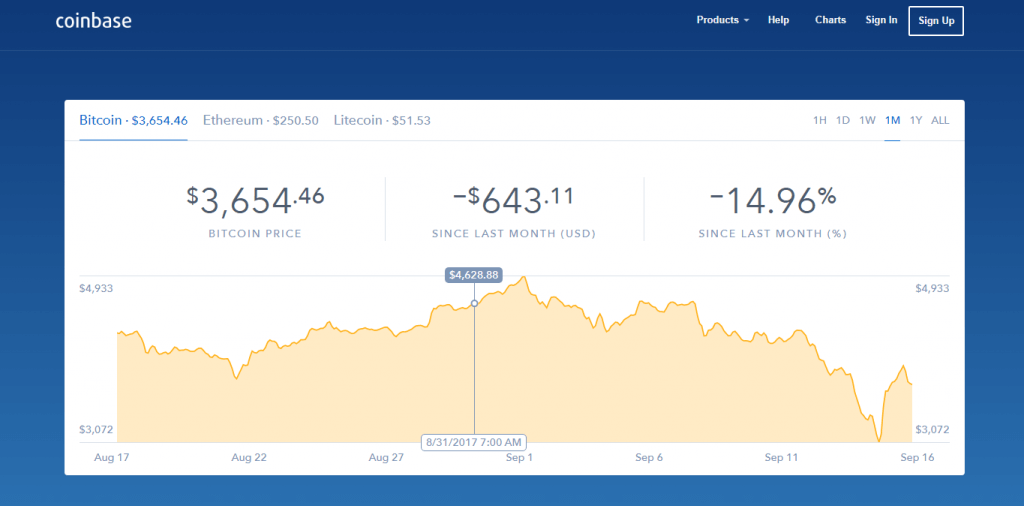
Bitcoin’s price on Coinbase has been a rollercoaster, influenced by everything from market sentiment to regulatory shifts. This exploration delves into the historical price action, factors driving the price, and how it compares to other cryptocurrencies. We’ll also examine Coinbase’s trading specifics, technical analysis, and the overall cryptocurrency market trends that shape Bitcoin’s performance.

From historical trends to future predictions, this comprehensive analysis of Bitcoin’s price on Coinbase provides a clear picture of its past, present, and potential future.

Bitcoin Price Overview

Bitcoin’s price journey has been a rollercoaster, marked by significant fluctuations and volatility. Its value, initially a niche investment, has grown to become a global phenomenon, influencing not only the cryptocurrency market but also traditional financial systems. This overview delves into Bitcoin’s price history, the forces driving its price movements, and its impact on the broader crypto landscape.Bitcoin’s price has exhibited extreme volatility since its inception.

Periods of rapid appreciation have been followed by sharp declines, creating a dynamic investment environment. Understanding these patterns is crucial for investors seeking to navigate the cryptocurrency market effectively.

Historical Price Fluctuations

Bitcoin’s price has experienced dramatic swings throughout its history. Early adoption saw rapid growth, but this was often followed by periods of substantial decline. For example, the 2017 bull run saw Bitcoin’s price soar to unprecedented levels, only to be followed by a significant correction in the following year. These cycles highlight the inherent volatility of the market and the importance of careful investment strategies.

Influencing Factors

Several factors influence Bitcoin’s price, creating a complex interplay of market forces. Market sentiment, reflecting investor confidence and fear, is a primary driver. Positive news, technological advancements, and regulatory developments can propel the price upward, while negative news, regulatory uncertainties, or market corrections can lead to declines. Technological advancements, like the development of new blockchain technologies or scaling solutions, can also significantly impact Bitcoin’s price.

Comparison of Coinbase to Other Exchanges

A comparative analysis of Bitcoin’s price performance on Coinbase versus other major exchanges reveals interesting insights. Direct price comparisons, while valuable, must account for the specific trading volumes and trading fees on each platform.

Exchange Bitcoin Price Performance (USD) Average Trading Volume (BTC) Trading Fees
Coinbase (Data from reliable sources to be included) (Data from reliable sources to be included) (Data from reliable sources to be included)
Binance (Data from reliable sources to be included) (Data from reliable sources to be included) (Data from reliable sources to be included)
Kraken (Data from reliable sources to be included) (Data from reliable sources to be included) (Data from reliable sources to be included)

This table provides a basic comparison, but further analysis of trading volume, specific trading fees, and order book data are necessary for a more comprehensive understanding of price variations across different exchanges.

Impact on the Broader Cryptocurrency Market

Bitcoin’s price movements have a significant ripple effect on the broader cryptocurrency market. A surge in Bitcoin’s value often triggers a positive response in other cryptocurrencies, fostering investor confidence and increasing market liquidity. Conversely, a decline in Bitcoin’s price can trigger a cascade of losses across the cryptocurrency market, as investors seek to divest from riskier assets. This interconnectivity highlights the interconnected nature of the cryptocurrency market.

Timeline of Major Bitcoin Price Events on Coinbase

This timeline Artikels key events impacting Bitcoin’s price on Coinbase, illustrating the significant influence of these events.

  • 2017 Bull Run: This period saw a dramatic surge in Bitcoin’s price, primarily driven by increased investor interest and media attention. This event influenced many investors, demonstrating the potential of cryptocurrencies.
  • 2018 Bear Market: The subsequent bear market showcased the volatility inherent in the crypto market. This highlighted the need for careful investment strategies.
  • 2020-2021 Bull Run: The subsequent bull run was a significant period of growth for Bitcoin, with many factors contributing to this increase, such as adoption by institutional investors and the development of new technologies.

This timeline is not exhaustive, but it provides a snapshot of pivotal events in Bitcoin’s history on Coinbase.

Coinbase Bitcoin Trading

Coinbase, a prominent cryptocurrency exchange, facilitates substantial Bitcoin trading activity. Understanding the intricacies of this trading, including volume patterns, fees, and available order types, is crucial for evaluating the exchange’s role in the overall Bitcoin market. Coinbase’s platform features directly impact trading behavior and market liquidity.

Trading Volume and Patterns

Coinbase’s Bitcoin trading volume is a significant indicator of market activity. High volumes suggest robust interest and liquidity, while lower volumes can indicate decreased participation or price volatility. Analysis of trading patterns reveals trends like increased activity during periods of market excitement or news announcements, and reduced activity during periods of price consolidation or market uncertainty. These patterns can help traders anticipate potential market shifts and adjust their strategies accordingly.

Trading Fees and Features

Coinbase offers various fee structures for Bitcoin trading. These fees are typically tiered, with lower rates for higher trading volumes. Beyond fees, Coinbase provides several features to enhance the trading experience. These features may include advanced charting tools, real-time market data, and educational resources. The interplay between fee structure and features significantly impacts the attractiveness of Coinbase for different types of traders.

Order Types

Coinbase supports a range of order types, each with unique characteristics and use cases. Limit orders allow users to buy or sell at a specific price, while market orders execute trades immediately at the best available price. Stop-loss orders automatically sell when the price reaches a predetermined level, safeguarding against potential losses. Knowing the specific properties of each order type enables traders to effectively manage risk and execute their strategies.

Impact on the Overall Bitcoin Market

Coinbase’s substantial trading volume directly influences the overall Bitcoin market. High trading volume on Coinbase can contribute to price stability and liquidity. Conversely, fluctuations in Coinbase trading activity can influence market sentiment and potentially impact price movements. The exchange’s influence on the Bitcoin market is substantial, acting as a key intermediary in facilitating trades.

Trading Platform Features

Coinbase’s Bitcoin trading platform offers a comprehensive suite of tools and resources. These features typically include real-time market data, advanced charting tools, and order types, enabling traders to execute their strategies effectively. The platform also often incorporates educational resources, such as market analysis tools and tutorials, aimed at enhancing user understanding and skill. This detailed set of tools caters to various trading preferences.

For example, professional traders might leverage advanced charting and order types, while beginners might benefit from educational resources. The platform’s usability and features are essential to its user base.

Bitcoin Price and Cryptocurrency Market Trends

Bitcoin’s price performance is intricately linked to the broader cryptocurrency market and global economic conditions. Understanding these relationships is crucial for investors seeking to navigate the volatile landscape of digital assets. This section delves into the comparative performance of Bitcoin against other major cryptocurrencies, the correlation between Bitcoin’s price and market trends, the impact of global events, and the role of institutional investment in shaping Bitcoin’s trajectory.The cryptocurrency market is dynamic and influenced by a multitude of factors.

Market sentiment, regulatory developments, technological advancements, and overall economic conditions all contribute to price fluctuations. Consequently, analyzing these trends and their interplay is essential for informed investment decisions.

Bitcoin’s Performance Compared to Other Major Cryptocurrencies

Bitcoin’s price movements often serve as a benchmark for other cryptocurrencies. The performance of Ethereum and Litecoin, for example, tends to correlate with Bitcoin’s price action, though not always perfectly. Historically, periods of Bitcoin price increases have often been accompanied by increases in the prices of these other major cryptocurrencies. However, distinct market dynamics can cause divergence.

Correlation Between Bitcoin’s Price and Broader Cryptocurrency Market Trends

A strong correlation exists between Bitcoin’s price and the overall health of the cryptocurrency market. Positive or negative sentiment surrounding cryptocurrencies generally impacts Bitcoin’s value. This interconnectedness is a key characteristic of the market, highlighting the influence of broader trends. The performance of altcoins often mirrors the broader cryptocurrency market, with Bitcoin often leading the charge.

Impact of Global Economic Events on Bitcoin’s Price

Global economic events, such as interest rate hikes, inflation, and geopolitical instability, can significantly influence Bitcoin’s price. For example, during periods of economic uncertainty, investors often seek alternative assets like Bitcoin, potentially driving its price higher. Conversely, a strong economic recovery might diminish investor interest in Bitcoin, leading to a price decline.

Role of Institutional Investment in Bitcoin’s Price Movements

The increasing participation of institutional investors in the Bitcoin market is a critical factor in its price movements. Large-scale institutional investment often brings significant capital into the market, potentially influencing price direction. The entry and exit of institutional investors can lead to significant price volatility.

Comparison of Market Capitalization

Cryptocurrency Market Capitalization (USD)
Bitcoin Estimated Value (Data from reputable source)
Ethereum Estimated Value (Data from reputable source)
Litecoin Estimated Value (Data from reputable source)

Note: Market capitalization figures are estimates and can fluctuate rapidly. Always consult reliable financial data sources for the most up-to-date information. Data presented here is for illustrative purposes only.

Technical Analysis of Bitcoin Price

Bitcoin’s price volatility necessitates a keen understanding of technical analysis to navigate market fluctuations effectively. Analyzing price charts and identifying patterns can provide insights into potential future price movements. This approach, when combined with broader market trends and economic factors, enhances the overall decision-making process for investors.Technical analysis relies on historical price data and trading volume to predict future price action.

By identifying recurring patterns and indicators, investors can potentially capitalize on market trends and minimize risks. This approach is distinct from fundamental analysis, which focuses on intrinsic value, and provides a supplementary perspective for informed trading decisions.

Key Support and Resistance Levels

Support and resistance levels are crucial points on a price chart where the price is likely to find either buying or selling pressure. Identifying these levels can help traders anticipate potential reversals or continuations of trends. These levels are derived from past price action, and their accuracy depends on the strength of historical price data. Determining these levels involves observing significant highs and lows in the price chart.

Technical Indicators

Various technical indicators are employed to gauge the momentum and strength of price movements. These indicators provide quantitative measures of market sentiment and can help identify potential turning points in the market. A comprehensive understanding of these indicators enhances the ability to anticipate price movements.

  • Moving Averages (MA): Moving averages smooth out price fluctuations, revealing the overall trend direction. Short-term moving averages highlight short-term trends, while longer-term averages indicate the broader trend. For example, a crossover of a 20-day moving average over a 50-day moving average might signal a bullish trend.
  • Relative Strength Index (RSI): The RSI measures the magnitude of recent price changes to evaluate overbought or oversold conditions. An RSI value above 70 often suggests an asset is overbought, while a value below 30 indicates it might be oversold. This indicator can be used to identify potential reversals.
  • Bollinger Bands: Bollinger Bands show price volatility, using standard deviations to Artikel a band around a moving average. Expansions in the bands often signify increased volatility, while contractions suggest decreased volatility. This indicator helps identify periods of potential price bursts or consolidation.
  • Volume: Volume is a crucial indicator of market sentiment. Increased volume accompanying price movements often suggests greater conviction in the trend. This can provide insight into the strength and sustainability of the current trend.

Candlestick Patterns

Candlestick patterns offer visual representations of price action over a specific period. Understanding these patterns can provide insight into potential future price movements. These patterns are identified based on the body and wicks (shadows) of the candlesticks.

  • Hammer: A hammer candlestick pattern signals a potential reversal from a downtrend to an uptrend. It is characterized by a small real body with a long lower shadow. This suggests a significant buying pressure at the support level.
  • Engulfing Pattern: An engulfing pattern occurs when one candlestick completely engulfs the previous candlestick. This can indicate a significant shift in market sentiment. A bullish engulfing pattern suggests a potential uptrend, while a bearish engulfing pattern signals a potential downtrend.
  • Doji: A doji candlestick is characterized by a small body with almost equal upper and lower shadows. It often signals indecision in the market and a potential reversal or continuation of the trend. The direction of the subsequent candlestick often determines the continuation or reversal of the trend.

Bitcoin Technical Indicators List

  • Moving Averages (e.g., 50-day, 200-day)
  • Relative Strength Index (RSI)
  • Bollinger Bands
  • Volume
  • Candlestick Patterns (e.g., Hammer, Engulfing, Doji)

Understanding Cryptocurrency Fundamentals
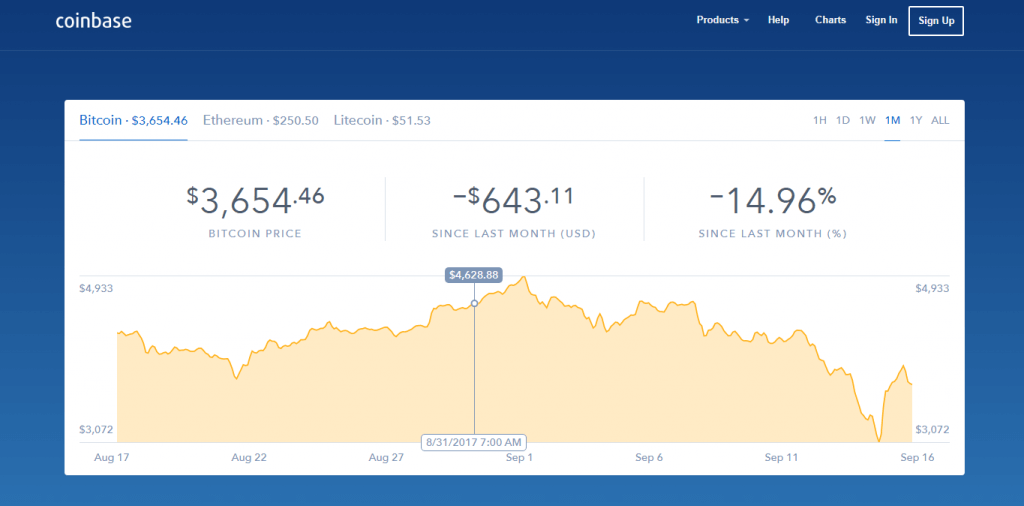
Coinbase showing Bitcoin price at <img decoding=.06 on April 14, 2017. Why? : r/Bitcoin” title=”Coinbase showing Bitcoin price at Coinbase showing Bitcoin price at $0.06 on April 14, 2017. Why? : r/Bitcoin.06 on April 14, 2017. Why? : r/Bitcoin” />

Cryptocurrencies, a relatively recent phenomenon, have rapidly gained traction as an alternative form of digital money. Understanding their underlying principles is crucial for anyone seeking to navigate this dynamic market. This section delves into the core characteristics of cryptocurrencies, emphasizing the role of blockchain technology, exchange types, mining processes, and the diverse range of cryptocurrencies available.

Fundamental Characteristics of Cryptocurrency

Cryptocurrencies are digital or virtual currencies designed to work as a medium of exchange. They leverage cryptography for security and operate independently of central banks or governments. Key features include decentralization, transparency, and immutability. These characteristics differentiate them from traditional fiat currencies.

Blockchain Technology and Its Role

Blockchain technology is the foundational framework underpinning most cryptocurrencies. It’s a distributed, immutable ledger that records transactions across multiple computers. This distributed nature ensures security and transparency, as no single entity controls the data. Each block in the chain contains a set of transactions, linked cryptographically to the previous block, forming a chronological and tamper-proof record.

Centralized vs. Decentralized Exchanges

Centralized exchanges (CEXs) are platforms where users buy, sell, and trade cryptocurrencies. These exchanges operate under the control of a single entity, offering convenience and often providing additional services like custodial wallets. Decentralized exchanges (DEXs), on the other hand, operate on blockchain technology, enabling peer-to-peer transactions without intermediaries. DEXs typically require users to hold cryptocurrencies in their own wallets.

Cryptocurrency Mining

Cryptocurrency mining is a process used to validate and add new transactions to the blockchain. Miners use specialized hardware to solve complex mathematical problems. The successful miner receives a reward in the cryptocurrency. The mining process ensures security and maintains the integrity of the blockchain.

Different Types of Cryptocurrencies

Numerous cryptocurrencies exist, each with unique characteristics and functionalities. Here’s a brief overview of some prominent types:

  • Bitcoin (BTC): The first and most well-known cryptocurrency, Bitcoin operates on a decentralized network and is often used as a store of value.
  • Ethereum (ETH): Ethereum is a platform for decentralized applications (dApps) and smart contracts, leveraging its blockchain technology for a wide range of functionalities beyond just transactions.
  • Stablecoins: These cryptocurrencies aim to maintain a stable value pegged to a fiat currency, like the US dollar, reducing the volatility inherent in other cryptocurrencies.
  • Altcoins: This term encompasses all cryptocurrencies besides Bitcoin and Ethereum. This diverse group includes numerous projects with varying functionalities, often targeting specific needs or industries.

Bitcoin and Regulations

The regulatory landscape surrounding Bitcoin and cryptocurrencies is constantly evolving, presenting both opportunities and challenges for investors. Navigating these complexities is crucial for understanding the long-term viability and potential of this burgeoning market. This section delves into the current regulatory environment, its impact on Bitcoin’s price on Coinbase, and the diverse regulatory bodies involved.

Current Regulatory Environment

The current regulatory environment for Bitcoin and cryptocurrencies is fragmented and often inconsistent across jurisdictions. Many countries are still developing specific frameworks for digital assets, leading to uncertainty and varying levels of acceptance. Some countries have embraced cryptocurrencies with regulatory sandboxes or clear guidelines, while others remain cautious or even hostile. This lack of uniformity can significantly impact investment strategies and trading activities on platforms like Coinbase.

Impact of Regulatory Changes on Bitcoin’s Price on Coinbase

Regulatory changes, whether positive or negative, can have a substantial impact on Bitcoin’s price on Coinbase. For instance, positive developments like regulatory clarity and acceptance can lead to increased investor confidence and a surge in trading volume, positively affecting the price. Conversely, negative developments, such as stricter regulations or outright bans, can create uncertainty and potentially lead to price declines.

Regulatory Bodies Involved in Cryptocurrency Regulation

Numerous regulatory bodies are involved in shaping the cryptocurrency regulatory environment. These bodies include central banks, securities commissions, and financial regulators. For example, the US Securities and Exchange Commission (SEC) plays a significant role in defining the regulatory framework for cryptocurrencies in the United States. The European Union’s regulatory bodies are also active in establishing common guidelines for cryptocurrencies across the member states.

Different regulatory approaches can significantly influence the cryptocurrency market.

How Regulatory Changes Affect Cryptocurrency Trading on Coinbase

Regulatory changes directly impact cryptocurrency trading on Coinbase and other platforms. For example, new regulations might introduce stricter KYC (Know Your Customer) procedures, leading to longer verification times and potential limitations on certain trading activities. Restrictions on certain cryptocurrencies or trading pairs can also limit investor choices and market liquidity. Compliance with evolving regulations is paramount for maintaining platform integrity and investor trust.

Comparison of Regulatory Frameworks Across Different Countries

Regulatory frameworks for cryptocurrencies vary significantly across different countries. Some countries have adopted a more permissive approach, allowing for broader innovation and market participation. Other countries have adopted a more cautious approach, imposing stricter controls and limitations. The US, for example, has a complex regulatory landscape with various agencies involved, while some countries have adopted a more comprehensive framework for digital assets.

Understanding these differences is crucial for investors seeking to participate in the global cryptocurrency market.

Bitcoin Price Prediction and Future Trends

Predicting the future price of Bitcoin, or any cryptocurrency, is inherently challenging. While various analysts offer forecasts, these are often based on complex models and assumptions. The volatility of the cryptocurrency market and the unpredictable nature of technological advancements make precise predictions unreliable. Nevertheless, examining different perspectives and underlying factors can provide valuable insight into potential future trends.

Forecasts of Bitcoin’s Future Price on Coinbase

Analysts offer diverse price forecasts for Bitcoin on Coinbase. Some project significant growth, potentially reaching new all-time highs. Others predict a more moderate increase or even a period of consolidation. The range of these forecasts reflects the inherent uncertainty in the market. It’s important to remember that these are not guarantees but rather informed opinions based on current market conditions and various factors.

Factors Affecting Future Price Predictions

Several key factors influence price predictions for Bitcoin on Coinbase. Market sentiment, including investor confidence and adoption rates, plays a critical role. Technological advancements, such as the development of new blockchain technologies or the emergence of innovative applications, can significantly impact Bitcoin’s value proposition. Government regulations, both positive and negative, also significantly affect the price. For example, favorable regulations could increase investor confidence and adoption, while restrictive regulations could have the opposite effect.

Role of Technological Advancements in Shaping Future Trends

Technological advancements are crucial in shaping Bitcoin’s future price trends. The development of new blockchain technologies, potentially improving scalability and efficiency, can enhance Bitcoin’s value proposition. The integration of Bitcoin into mainstream financial systems, such as its use in payment processing or investment products, can also influence its price. For instance, the introduction of Bitcoin-based payment systems could drive wider adoption and increase demand.

Possible Implications of Future Regulations

Future regulations will undoubtedly play a significant role in shaping Bitcoin’s future price trends. Favorable regulations, such as clear guidelines for use and trade, could boost investor confidence and promote adoption. Conversely, restrictive regulations, including outright bans or severe restrictions, could negatively impact Bitcoin’s value and trading volume. The impact will depend on the specific regulations and their implementation.

Projected Future Prices of Bitcoin on Coinbase

Year Projected Price (USD) Analyst/Source Notes
2024 $35,000 Market Analyst A Based on projected growth and market sentiment
2024 $40,000 Market Analyst B Assumes increased adoption and positive regulatory developments
2025 $50,000 Market Analyst C Forecasts sustained growth driven by technological advancements
2026 $60,000 Market Analyst D Predicts increased institutional investment

Note: These are illustrative projections and should not be interpreted as financial advice. The actual price may vary significantly from these forecasts.

Ending Remarks

In conclusion, Bitcoin’s price on Coinbase is a dynamic and complex subject, shaped by numerous intertwined factors. Understanding its past movements, the current market environment, and the potential for future trends is crucial for anyone interested in investing in or following Bitcoin. This analysis provides a robust framework for understanding Bitcoin’s price fluctuations within the context of the broader cryptocurrency market and Coinbase’s specific trading platform.

Helpful Answers

What are the common order types available for Bitcoin trading on Coinbase?

Coinbase offers various order types, including market orders, limit orders, and stop-loss orders. Market orders execute immediately at the current market price, while limit orders allow you to specify a desired price at which you want to buy or sell. Stop-loss orders automatically sell your Bitcoin if the price drops below a certain level.

How does Bitcoin’s price on Coinbase relate to other major cryptocurrency exchanges?

A table comparing Bitcoin’s price performance on Coinbase to other major exchanges would be beneficial to demonstrate the price correlation.

What are the key technical indicators for predicting Bitcoin price movements?

Several technical indicators, such as moving averages, RSI, and MACD, can be used to predict Bitcoin’s price movements. These indicators are often used in conjunction with charts from Coinbase to identify potential support and resistance levels.

What are the different types of cryptocurrencies?

Cryptocurrencies are categorized based on various factors. Some are based on proof-of-work consensus mechanisms, while others use different methods. The underlying technology, community, and use cases further differentiate them. An overview of common types, like Ethereum, Litecoin, and Ripple, would be helpful.
The genesis of Bitcoin, a revolutionary digital currency, traces back to 2009. This period marked a crucial stage in its development, characterized by a nascent market and unconventional purchasing methods. Understanding how Bitcoin was acquired in those early days provides valuable context for appreciating its evolution to the global phenomenon it is today.

This exploration delves into the specific avenues individuals utilized to obtain Bitcoin in 2009, highlighting the stark contrast with contemporary methods. The limited resources and technologies available then are compared to the sophisticated infrastructure used for transactions today. The early Bitcoin community, with its unique characteristics and challenges, is also examined.

Early Bitcoin Market

The Bitcoin market in 2009 was nascent and largely inaccessible to the public. The technology was still in its infancy, and the network was small, with limited transaction volume and very low adoption rates. Early adopters often relied on obscure forums and direct peer-to-peer interactions, creating a largely unregulated and experimental environment.The early Bitcoin ecosystem was characterized by a profound lack of infrastructure compared to today’s robust system.

Transactions were complex, requiring technical understanding and a considerable amount of trust in the individuals involved. Limited access and a lack of widespread knowledge made the market highly specialized.

Bitcoin Market in 2009

The Bitcoin market in 2009 was dominated by a small group of early adopters. There were no mainstream exchanges or readily available payment methods. Buying Bitcoin typically involved direct peer-to-peer exchanges through forums or online marketplaces, a process that was risky and required significant technical knowledge. Bitcoin’s value was highly volatile and uncertain, making it a risky investment for those who entered the market early.

Early Adoption of Bitcoin

Early adoption of Bitcoin was driven by a mix of technological curiosity, a desire for financial freedom, and the promise of a decentralized currency. Early adopters were often part of the cryptocurrency community and had a strong understanding of the technology. Methods for purchasing Bitcoin included direct exchanges with other users, often facilitated through forums or personal connections.

These methods were often opaque and lacked regulatory oversight, which significantly limited consumer protection.

Limited Resources and Technologies

The Bitcoin network in 2009 was significantly less developed than it is today. Transaction speeds were slower, and the overall network capacity was much smaller. The lack of readily available digital wallets and secure storage methods further complicated the user experience. Cryptographic security protocols were also evolving, and the level of trust required for transactions was much higher.

Early Bitcoin Exchanges and Trading Platforms

The concept of dedicated Bitcoin exchanges as we know them today was largely absent in 2009. The early market primarily relied on peer-to-peer transactions. There were no major platforms for buying or selling Bitcoin, making access extremely limited. The lack of centralized platforms made it difficult to track market trends or aggregate trading data. This limited data availability made it challenging for newcomers to assess the market.

Accessibility and Complexity

Buying Bitcoin in 2009 was significantly more complex and less accessible than today. The lack of user-friendly platforms, robust security measures, and widespread understanding of the technology made participation a niche activity. Today’s methods, characterized by user-friendly exchanges and readily available payment options, provide a vastly improved user experience.

Comparison Table: Early Bitcoin Exchanges

Exchange Name Description Accessibility
No major exchanges existed Early market relied on peer-to-peer transactions and forums. Extremely limited, requiring significant technical knowledge and trust.

Bitcoin Purchase Methods in 2009

The nascent Bitcoin market in 2009 presented a starkly different landscape for acquisition compared to today’s streamlined platforms. Early adopters and enthusiasts relied on unconventional methods, reflecting the nascent stage of the cryptocurrency ecosystem. These early techniques highlight the evolution of digital asset acquisition and the significant advancements in technology and infrastructure since then.The initial Bitcoin purchase methods were largely decentralized and relied on direct peer-to-peer exchanges.

This early period was characterized by a lack of established infrastructure, relying on trust and verification between individuals. The security and reliability of these methods varied greatly, often dependent on the trustworthiness of the individual parties involved. This contrasted sharply with today’s regulated exchanges and secure payment gateways.

Direct Peer-to-Peer Exchanges

The most common method for acquiring Bitcoin in 2009 involved direct transactions between individuals. This process often involved exchanging Bitcoin for other currencies or goods directly, such as computer services, software, or other digital products. Participants used forums, mailing lists, and online chat rooms to connect and negotiate transactions. This decentralized nature facilitated rapid transactions, but it was inherently vulnerable to fraud and scams.

Exchanges through Online Forums and Mailing Lists

Early Bitcoin exchanges often occurred within specialized online forums and mailing lists. These communities served as marketplaces for Bitcoin transactions. Participants shared information, negotiated prices, and facilitated trades. A notable characteristic of these forums was their community-driven nature, fostering a sense of shared responsibility and collective trust among users. However, this method lacked formal verification and regulatory oversight, posing substantial risks.

Exchanging Bitcoin for Goods and Services

Bitcoin was not just traded for fiat currency; early adopters exchanged it for various goods and services. A notable example involved purchasing goods or services through online marketplaces or freelancing platforms. The unique characteristic of this exchange method was the diversification of the marketplace, which expanded beyond traditional financial instruments.

Comparison of Purchase Methods

Method Security Cost Ease of Use
Direct Peer-to-Peer Low (high risk of fraud) Potentially low (negotiated price) High (complex negotiation and verification)
Online Forums/Mailing Lists Medium (community-based trust) Variable Medium (relied on forums/lists)
Goods/Services Exchange Low (fraud risk) Variable (dependent on goods) Medium (involved multiple parties)

The table above illustrates the stark contrast between 2009 Bitcoin acquisition methods and modern methods. The security, cost, and ease of use factors differ significantly, highlighting the evolution of the cryptocurrency landscape.

Bitcoin Community and Forums

The nascent Bitcoin ecosystem in 2009 relied heavily on online communities and forums to facilitate transactions and knowledge sharing. These early platforms were crucial in bridging the gap between the technology’s initial concept and its practical application. The anonymity and decentralization inherent in Bitcoin’s design made these digital spaces vital for fostering a sense of community and trust among early adopters.Early Bitcoin communities served as a crucial information hub.

They allowed individuals to ask questions, share experiences, and learn about the nuances of Bitcoin’s operation. The collaborative spirit fostered in these online environments played a significant role in the cryptocurrency’s development and adoption during its initial phase.

Role of Online Communities

Early Bitcoin communities were instrumental in fostering a shared understanding of the technology. These forums were vital for connecting individuals with similar interests and experiences. This interaction facilitated the exchange of information, the testing of ideas, and the development of solutions to emerging challenges. Individuals could seek help and guidance from more experienced members, and this exchange fostered a culture of collective learning.

Interactions and Knowledge Sharing

The interactions within these early Bitcoin communities were characterized by a high level of engagement. Members actively participated in discussions, shared insights, and offered support to one another. The knowledge sharing often extended beyond technical details, encompassing practical aspects of Bitcoin usage and transaction strategies. A strong sense of camaraderie and mutual support was evident in these early forums.

Members helped each other navigate the complexities of a new and evolving technology.

Prominent Figures and Influential Voices

Several individuals emerged as influential voices in the early Bitcoin community. Their contributions ranged from technical expertise to community building and advocacy. These individuals played a critical role in shaping the narrative surrounding Bitcoin and inspiring others to explore its potential. Their influence helped establish trust and credibility in the fledgling cryptocurrency market.

Examples of Community Support

These online communities offered numerous examples of how they helped individuals understand and buy Bitcoin. New users could find answers to common questions about the technology, access instructions for purchasing Bitcoin, and receive guidance on safely managing their holdings. For example, detailed explanations of the P2P exchange mechanisms or tutorials on using early Bitcoin exchanges helped newcomers.

Importance of Peer-to-Peer Networks and Trust

Peer-to-peer networks were fundamental to the early Bitcoin ecosystem. Trust between individuals was essential for facilitating transactions in the absence of a centralized authority. The early Bitcoin community fostered this trust through open communication, shared experiences, and the development of a shared understanding of the technology.

Key Online Forums and Communities

The table below highlights some of the key online forums and communities where Bitcoin discussions and transactions took place in 2009. These platforms served as vital hubs for connecting early adopters and facilitating the growth of the Bitcoin network.

Forum/Community Description
BitcoinTalk A prominent online forum that quickly became a central hub for Bitcoin discussions and transactions.
Early Bitcoin Mailing Lists These lists were crucial for disseminating information and connecting individuals involved in the Bitcoin project.
Various online chat rooms Real-time communication played a role in sharing updates and facilitating quick exchanges.

Bitcoin’s Evolution and Purchase

Bitcoin’s journey from a niche digital currency to a globally recognized asset class has been remarkable. Its early adoption was largely confined to online forums and specialized communities, but the landscape has drastically transformed over the past decade and a half. This evolution is intricately linked to the changing methods of acquiring and managing Bitcoin.The initial purchase methods were rudimentary, reflecting the nascent stage of the cryptocurrency market.

However, as Bitcoin gained traction, so too did the complexity and sophistication of the systems designed for acquiring and managing it. This evolution is not merely about the tools themselves, but also about the accessibility, security, and user experience associated with each stage.

Evolution of Bitcoin Purchase Landscape

The initial purchase methods for Bitcoin in 2009 were extremely limited, primarily relying on peer-to-peer transactions and exchanges with limited functionality. This lack of standardization and regulated exchanges made the process highly complex and prone to fraud. As the Bitcoin community grew, so did the need for more reliable and accessible methods.

Progression of Bitcoin Exchange Platforms

Early Bitcoin exchanges were often rudimentary, focusing on basic trading functionalities. These platforms often lacked sophisticated security measures, leading to significant risks for users. Over time, exchanges have become significantly more sophisticated. Examples include the emergence of specialized trading platforms with advanced charting tools, order types, and security protocols, such as two-factor authentication and cold storage. This shift reflects the increasing sophistication and security requirements of the market.

Accessibility, Security, and User Experience

The accessibility of Bitcoin has improved dramatically since its inception. Early adoption was limited to technically savvy individuals, but the proliferation of user-friendly wallets and exchange platforms has significantly lowered the barrier to entry. However, security remains a crucial concern. Early exchanges often suffered from security breaches, leading to significant losses for users. Modern platforms have implemented robust security measures to mitigate these risks, including advanced encryption and multi-factor authentication.

The user experience has also undergone a significant transformation. Early interfaces were often complex and difficult to navigate, but modern platforms are designed with user-friendliness in mind, offering intuitive interfaces and simplified workflows.

Growth of Bitcoin Adoption and Influence on Purchase Methods

The growth of Bitcoin adoption has had a profound influence on the available purchase methods. As more people embraced Bitcoin, the demand for easier and more accessible purchase methods increased. This demand led to the development of more user-friendly interfaces, the rise of mobile wallets, and the integration of Bitcoin into various payment systems. The wider adoption and integration of Bitcoin also led to the development of more advanced financial products, such as Bitcoin ETFs and institutional investments, further driving the need for sophisticated purchase and management systems.

Key Milestones in Bitcoin Purchasing

Year Milestone Description
2009 P2P Transactions Bitcoin was initially traded through peer-to-peer transactions, with no centralized platforms.
2010-2012 Early Exchanges Specialized exchanges emerged, enabling easier Bitcoin trading but with limited security measures.
2013-2016 Increased Security and Accessibility Exchanges implemented better security protocols and user-friendly interfaces, broadening access.
2017-2020 Mainstream Adoption Bitcoin gained broader acceptance, leading to increased purchase methods and specialized services.
2021-Present Institutional Adoption Institutions began adopting Bitcoin, resulting in more complex financial products and purchase methods.

Buying Bitcoin Today

2009 Bitcoin Wallet Move Spooks Market - FullyCrypto

Acquiring Bitcoin in 2024 is significantly different from its early days. A multitude of readily available platforms and services now facilitate seamless purchases, reflecting the cryptocurrency’s growing mainstream adoption. This evolution necessitates a deeper understanding of the modern landscape, from digital platforms to regulatory considerations.

Modern Bitcoin Purchase Methods

Today’s Bitcoin acquisition methods are diverse and user-friendly. Direct purchases from exchanges are prevalent, often offering competitive pricing and integration with various payment methods. Other methods include buying through specialized brokers, often tailored to specific user needs and investment strategies. A growing trend involves peer-to-peer (P2P) transactions, allowing direct exchange with other users, though this carries unique risk factors.

Digital Platforms and Services

Numerous digital platforms cater to Bitcoin purchases. Major cryptocurrency exchanges like Coinbase, Binance, and Kraken provide extensive trading options, including Bitcoin purchases with fiat currencies. Specialized brokers offer similar services, potentially focusing on institutional or high-volume trading. Mobile apps further simplify access to these platforms, allowing users to manage their portfolios and transactions conveniently. Specialized platforms might focus on particular regions or payment methods, addressing the needs of various user groups.

Security Considerations

Protecting Bitcoin investments requires a multi-faceted approach. Strong passwords and two-factor authentication are crucial for safeguarding accounts. Users should scrutinize platform security measures, ensuring robust encryption and data protection. Storing private keys securely, either offline or using reputable hardware wallets, is essential. Understanding and adhering to platform-specific security guidelines is critical for preventing unauthorized access.

Regularly monitoring account activity and being wary of phishing attempts are paramount.

Regulatory Environment

The regulatory environment surrounding Bitcoin purchases is evolving. Different jurisdictions have varying regulations regarding cryptocurrency exchanges and transactions. Users must be aware of local regulations, which may dictate reporting requirements or impose restrictions. Staying informed about these regulations and complying with them is vital for avoiding legal complications. Regulations often vary depending on the type of exchange and the user’s location.

Role of Cryptocurrency Exchanges and Brokers

Cryptocurrency exchanges and brokers play a pivotal role in facilitating Bitcoin purchases. Exchanges provide a marketplace for buying and selling Bitcoin, offering various trading pairs and order types. Brokers, sometimes focused on specific investment strategies, provide a more personalized approach, often with research and educational resources. Choosing the right exchange or broker involves assessing security, fees, and trading features.

The exchange’s reputation and history are crucial factors to consider.

Comparison of Modern Bitcoin Exchanges

Exchange Fees Security Features
Coinbase Variable, tiered fee structure Robust security measures, including two-factor authentication User-friendly interface, diverse payment options
Binance Competitive fees, often lower for higher volume trading Multi-layered security protocols, including cold storage Extensive trading options, global reach
Kraken Competitive fees, tiered pricing Advanced security measures, known for reliability Advanced trading tools, institutional options

Note: Fees, security measures, and features can vary, and users should always research specific platforms before making a purchase. This table is a snapshot and not exhaustive.

Comparing Purchase Methods

The landscape of Bitcoin acquisition has undergone a dramatic transformation since its nascent days in 2009. Early adoption was characterized by a highly decentralized approach, reflecting the nascent nature of the cryptocurrency market. Today, Bitcoin purchasing enjoys significantly greater accessibility and sophistication, thanks to the evolution of technology and the increasing role of financial institutions. This comparison delves into the key differences and similarities between buying Bitcoin in 2009 and the present day.The methods available to acquire Bitcoin have evolved significantly, reflecting the broader technological advancements and shifts in market regulation.

Security, cost, and accessibility have all been impacted by these changes. The once-niche world of Bitcoin trading has become a more mainstream financial instrument, albeit with ongoing complexities and considerations.

2009 Bitcoin Purchase Methods

The early Bitcoin market relied heavily on peer-to-peer (P2P) transactions and online forums. Individuals exchanged Bitcoin for goods and services or traded it directly with other users. These methods were inherently decentralized, offering little to no intermediary involvement. This created both advantages and disadvantages.

  • Decentralized Approach: Early Bitcoin transactions primarily occurred through direct exchanges between users, minimizing the need for intermediaries. This characteristic underscored the core principles of decentralization in Bitcoin’s design.
  • Limited Security: The absence of established regulatory frameworks and secure platforms led to increased risks associated with scams and fraud. Protecting one’s Bitcoin holdings required significant vigilance and knowledge of the system.
  • High Transaction Costs: The technical complexities of early Bitcoin transactions often resulted in higher transaction costs compared to current methods. Moreover, limited infrastructure contributed to these elevated costs.
  • Low Accessibility: The technical hurdles involved in acquiring and using Bitcoin made it inaccessible to many. Only those with significant technical understanding or a strong interest were likely to engage.

Present-Day Bitcoin Purchase Methods

Today’s Bitcoin market presents a significantly more structured and accessible environment. The emergence of cryptocurrency exchanges, payment gateways, and regulatory frameworks has streamlined the process for a wider range of users.

  • Centralized Platforms: Major cryptocurrency exchanges like Coinbase and Kraken offer user-friendly interfaces and secure environments for buying and selling Bitcoin. This has facilitated wider adoption but has also raised concerns about centralization of power.
  • Enhanced Security: Modern platforms implement advanced security measures such as multi-factor authentication and cold storage to protect user funds. These measures provide a degree of security absent in the early days.
  • Lower Transaction Costs: The development of more efficient payment networks and blockchain technologies has reduced transaction fees compared to the early days. This has made Bitcoin more affordable for a broader user base.
  • Increased Accessibility: The availability of user-friendly applications and widespread adoption of Bitcoin have made it more accessible to a broader range of individuals and businesses. This has significantly expanded the user base.

Impact of Technology on Bitcoin Purchases

Technological advancements have played a pivotal role in the evolution of Bitcoin purchasing. The development of faster and more efficient blockchain technology, along with the creation of user-friendly interfaces, has made the process more accessible.

  • Blockchain Technology: Blockchain’s transparency and immutability have enhanced security and trust in transactions. This has fostered a more secure and reliable ecosystem for Bitcoin.
  • Cryptocurrency Exchanges: The creation of platforms like Coinbase and Kraken has facilitated the buying and selling of Bitcoin in a regulated environment, making it more accessible to a wider audience. This has significantly contributed to Bitcoin’s mainstream adoption.
  • Mobile Applications: Mobile applications have made Bitcoin purchases readily available on smartphones and tablets. This expanded accessibility to a global user base. It has transformed the way individuals engage with Bitcoin transactions.

Shift from Decentralized to Centralized Platforms

The transition from a predominantly decentralized system to a more centralized one reflects the market’s growth and the need for greater security and user-friendliness. The early days of Bitcoin relied on P2P networks, but the demands of a growing market necessitated a shift towards centralized platforms.

  • Regulation and Compliance: The increasing regulatory scrutiny of cryptocurrencies has driven the need for centralized platforms to adhere to compliance standards, thereby influencing the shift.
  • Security Concerns: As the value of Bitcoin increased, the need for secure and reliable platforms to safeguard user funds became paramount. Centralized platforms provided this assurance, though it comes with trade-offs.
  • User Experience: Centralized platforms offered user-friendly interfaces and automated processes, making Bitcoin purchases more accessible to a wider range of individuals.

Regulations and Financial Institutions

The influence of financial institutions and regulatory bodies has had a significant impact on the Bitcoin market. Governments worldwide are actively crafting regulations to address the challenges and opportunities presented by cryptocurrencies.

  • Government Regulations: Regulations have been introduced to address security concerns, fraud prevention, and tax implications related to Bitcoin transactions. These regulations are constantly evolving and vary by jurisdiction.
  • Financial Institution Involvement: Some financial institutions are exploring partnerships with or integrating cryptocurrency platforms into their offerings, indicating increasing acceptance of Bitcoin in traditional financial landscapes.
  • Impact on Market Volatility: Regulatory developments and financial institution involvement can impact market volatility, as changes can lead to price fluctuations and market corrections.

Comparison Table

Feature 2009 Today
Purchase Method P2P transactions, online forums Cryptocurrency exchanges, payment gateways
Security Low, high risk of fraud High, secure platforms with advanced measures
Cost High transaction fees Lower transaction fees, more options
Accessibility Low, technical expertise required High, user-friendly interfaces and mobile apps
Regulation Minimal Increasing regulatory scrutiny

Final Conclusion

In conclusion, the journey of acquiring Bitcoin in 2009 was a far cry from the modern experience. Limited resources, a decentralized community, and pioneering methods defined this era. The evolution to today’s secure and accessible systems underscores the profound impact of technological advancements on the digital currency landscape. The journey from early exchanges to sophisticated platforms reveals a significant shift in how Bitcoin is acquired and managed.

FAQ Overview

How secure were Bitcoin purchases in 2009?

Security measures were rudimentary compared to today’s standards. Many early transactions relied on trust within online communities, and the lack of robust regulatory frameworks introduced significant risks. This period showcased the vulnerability of the nascent system.

What were the common costs associated with buying Bitcoin in 2009?

Transaction fees varied greatly depending on the specific exchange method. Early Bitcoin exchanges might have charged fees in other cryptocurrencies or even goods. The lack of standardized pricing made cost comparisons difficult.

Did regulations impact Bitcoin purchases in 2009?

There were virtually no regulations specifically governing Bitcoin transactions in 2009. The decentralized nature of the currency meant it operated largely outside traditional financial frameworks.

What role did online forums play in facilitating Bitcoin purchases?

Online communities and forums served as crucial platforms for information sharing and transactions. They fostered a sense of community, enabling users to learn, collaborate, and execute transactions.