April 25, 2026

Finance

Delving into bitcoin etf history offers a fascinating glimpse into the evolution of cryptocurrency within the financial landscape. Bitcoin ETFs, or exchange-traded funds, represent a significant intersection of traditional finance and the burgeoning world of digital assets. As interest in cryptocurrency surged, the necessity for regulated investment vehicles became apparent, paving the path for the development of Bitcoin ETFs.

From their inception to the present day, the history of Bitcoin ETFs is marked by groundbreaking proposals, regulatory challenges, and pivotal milestones that have shaped the market. Understanding this journey not only highlights the complexities faced by innovators in the financial sector but also reveals the changing attitudes of regulators and investors towards cryptocurrency.

Introduction to Bitcoin ETFs

Bitcoin ETFs (Exchange-Traded Funds) represent a significant innovation in the cryptocurrency investment landscape. They allow investors to gain exposure to Bitcoin without needing to directly purchase or store the digital asset. Instead, by investing in an ETF, individuals can buy shares that track the price of Bitcoin, making it easier for both retail and institutional investors to enter the market.The concept of Bitcoin ETFs emerged in the wake of Bitcoin’s introduction in 2009.

As the cryptocurrency began to gain traction, there was a growing need for financial products that could offer exposure to Bitcoin’s volatility and growth potential while providing the regulatory oversight typically associated with traditional securities. The timeline of Bitcoin ETF proposals showcases a series of attempts to bring this product to market, reflecting both the excitement and the challenges of integrating cryptocurrencies into existing financial frameworks.

Early Proposals and Rejections

The journey of Bitcoin ETFs began with several initial proposals that encountered significant hurdles. The first notable attempt came in 2013, when the Winklevoss twins filed for a Bitcoin ETF called the Winklevoss Bitcoin Trust. However, this proposal faced rejection from the SEC due to concerns over market manipulation and the lack of robust regulatory oversight in Bitcoin markets.Key players in the early ETF discussions included the Winklevoss twins, SolidX, and various Bitcoin exchanges.

Regulatory bodies were cautious, as they had not yet established clear guidelines for how to handle cryptocurrency investments. The SEC expressed concerns regarding the liquidity of Bitcoin markets, as well as the potential for fraud and market manipulation, which were common arguments against many early proposals.

Notable Bitcoin ETF Applications

Several significant Bitcoin ETF applications have been submitted to regulatory authorities over the years, each with its unique characteristics and outcomes. Notable examples include:

  • Winklevoss Bitcoin Trust: The first application, rejected in 2017, cited concerns about market manipulation.
  • SolidX Bitcoin Trust: A more institutional-focused proposal that faced similar regulatory scrutiny but was ultimately withdrawn.
  • VanEck/SolidX Bitcoin ETF: A collaborative effort that garnered attention but was also rejected in 2019.

Comparing these proposals reveals the evolving landscape of ETF applications, with each subsequent proposal addressing regulatory concerns raised by earlier attempts. The outcomes varied, with most applications either being rejected or withdrawn due to apprehensions from regulatory bodies.

The Role of Regulatory Bodies

The influence of the SEC on the approval processes for Bitcoin ETFs cannot be overstated. As the primary regulatory body overseeing securities in the United States, the SEC sets stringent criteria for approving cryptocurrency ETFs. These criteria often include requirements for market surveillance, liquidity, and investor protection.Over time, there has been a noticeable shift in regulatory attitudes. Initially, the SEC’s resistance to Bitcoin ETFs stemmed from a lack of understanding of the cryptocurrency market.

However, as the market matured and more institutional players entered, the SEC began to reconsider its stance, signaling a potential opening for future approvals.

Milestones in Bitcoin ETF History

A timeline of key milestones in the approval of Bitcoin ETFs highlights the progress made in the industry:

  • 2013: Winklevoss Bitcoin Trust filed for the first Bitcoin ETF.
  • 2017: The SEC rejected the Winklevoss proposal, marking a significant setback.
  • 2021: The ProShares Bitcoin Strategy ETF became the first Bitcoin-linked ETF to be approved in the U.S., a landmark moment for the cryptocurrency market.

The approval of the ProShares ETF was particularly significant, as it validated Bitcoin as an investment vehicle and spurred a wave of new investments into the cryptocurrency space.

Global Perspectives on Bitcoin ETFs

Different countries have taken varying approaches to Bitcoin ETFs, leading to a diverse regulatory landscape. In Canada, for instance, several Bitcoin ETFs have been successfully launched, such as the Purpose Bitcoin ETF, which was approved in early 2021 and became a model for future offerings.In contrast, the U.S. lagged behind in adopting Bitcoin ETFs due to regulatory hesitance. This discrepancy has led to the emergence of case studies showcasing successful Bitcoin ETF launches in other markets, highlighting the potential for similar products in the U.S., provided regulatory frameworks evolve.

The Future of Bitcoin ETFs

Emerging trends indicate a growing acceptance of Bitcoin ETFs among institutional investors and a potential expansion of products based on other cryptocurrencies. As traditional financial markets increasingly intertwine with digital assets, Bitcoin ETFs could serve as a bridge for investors transitioning from conventional investments to cryptocurrencies.The implications of Bitcoin ETFs on traditional financial markets are significant, as they provide a method for traditional investors to gain exposure to digital assets without the complexities of direct ownership.

Challenges remain, including ongoing regulatory scrutiny and market volatility, but the opportunities for innovation and growth in this space are vast.

Summary

In conclusion, the history of Bitcoin ETFs showcases a dynamic evolution influenced by both market demand and regulatory frameworks. As we look to the future, the lessons learned from past proposals and approvals will undoubtedly shape the next chapters in this unfolding narrative. The interplay between innovation and regulation will continue to dictate the trajectory of Bitcoin ETFs, making it an intriguing space to watch.

FAQ Guide

What is a Bitcoin ETF?

A Bitcoin ETF is an exchange-traded fund that tracks the price of Bitcoin, allowing investors to gain exposure to the cryptocurrency market without directly owning Bitcoin.

Why were early Bitcoin ETF proposals rejected?

Early Bitcoin ETF proposals faced rejection primarily due to regulatory concerns, particularly regarding market manipulation, investor protection, and lack of a regulated exchange.

How has regulatory attitude towards Bitcoin ETFs changed?

Regulatory attitudes have evolved from skepticism to a more open approach, with several countries now approving Bitcoin ETFs as the market matures and regulatory frameworks improve.

What impact does the first Bitcoin ETF approval have on the market?

The first Bitcoin ETF approval typically leads to increased institutional interest, enhanced credibility for Bitcoin, and potentially greater market stability.

What are the future prospects for Bitcoin ETFs?

The future of Bitcoin ETFs looks promising, with emerging trends indicating potential growth in both domestic and international markets, as well as integration with traditional financial systems.

Bitcoin and other cryptocurrencies have exploded onto the scene, capturing the attention of investors and disrupting traditional financial systems. This comprehensive guide delves into the world of Bitcoin and crypto, exploring its fundamentals, mechanics, investment strategies, and future prospects. We’ll uncover the underlying technology, blockchain, and its profound impact beyond digital currencies.

From the historical development of Bitcoin to its intricate transaction processes, we’ll provide a detailed overview of the technology behind cryptocurrencies. The guide also examines various cryptocurrencies beyond Bitcoin, highlighting their unique features and applications. Furthermore, we’ll explore the practical aspects of buying Bitcoin, including different methods, potential risks, and strategies for managing investment.

Introduction to Bitcoin and Cryptocurrencies

Bitcoin and other cryptocurrencies represent a revolutionary shift in how we think about money and digital transactions. They operate independently of traditional financial institutions, utilizing decentralized networks and cryptographic principles to facilitate secure and transparent transactions. Understanding these systems is key to navigating this evolving landscape.Bitcoin, the first and most well-known cryptocurrency, emerged in 2009 as a response to concerns about centralized control over money.

Its creation, attributed to a person or group known as Satoshi Nakamoto, sought to establish a peer-to-peer electronic cash system. This decentralized approach avoids intermediaries like banks, offering potential benefits in terms of reduced transaction fees and increased accessibility.

Fundamental Concepts of Bitcoin and Cryptocurrencies

Cryptocurrencies are digital or virtual currencies designed to work as a medium of exchange. They utilize cryptography for security and control, enabling secure transactions without the need for intermediaries. These digital assets are typically decentralized, meaning they are not controlled by a single entity, government, or institution. Instead, they rely on a distributed ledger technology called blockchain to record and verify transactions.

Historical Overview of Bitcoin’s Development

Bitcoin’s development was a gradual process, marked by initial skepticism and subsequent growth in adoption. Early adopters saw Bitcoin as a potential alternative to traditional financial systems, while others viewed it as a speculative asset. The evolution of Bitcoin has seen periods of significant price fluctuations, demonstrating its volatility as an investment. Over time, regulatory frameworks and mainstream acceptance have emerged as the technology matures.

Core Differences Between Bitcoin and Other Cryptocurrencies

Bitcoin’s unique features set it apart from other cryptocurrencies. While most cryptocurrencies share the underlying blockchain technology, they often differ in their intended use cases, underlying consensus mechanisms, and scalability. For instance, Bitcoin prioritizes its function as a medium of exchange, while other cryptocurrencies may focus on smart contracts or decentralized applications.

Key Features and Characteristics of Various Cryptocurrencies

Understanding the differences between cryptocurrencies requires examining their key characteristics. This table Artikels some prominent cryptocurrencies and their distinguishing features:

Cryptocurrency Purpose Consensus Mechanism Scalability
Bitcoin (BTC) Digital currency, peer-to-peer electronic cash Proof-of-Work Relatively low
Ethereum (ETH) Decentralized platform for applications and smart contracts Proof-of-Stake Higher than Bitcoin, but still facing challenges
Litecoin (LTC) Alternative digital currency, aiming for faster transactions Proof-of-Work Higher than Bitcoin

Underlying Technology (Blockchain) and its Significance

Blockchain is a distributed, immutable ledger that records transactions across multiple computers. Its decentralized nature ensures transparency and security, making it a cornerstone of cryptocurrency systems. Each block in the blockchain contains a set of transactions, linked chronologically and cryptographically to the previous block. This ensures the integrity and immutability of the transaction history. The security and transparency offered by blockchain have broader implications beyond cryptocurrencies, potentially revolutionizing various industries.

How Bitcoin Works

Bitcoin operates as a decentralized digital currency, relying on a distributed ledger known as the blockchain. This system facilitates secure and transparent transactions without intermediaries. Unlike traditional financial systems, Bitcoin transactions aren’t processed through banks or other central authorities.Bitcoin’s unique structure relies on cryptographic principles and a network of computers to verify and record transactions. This decentralized approach contributes to the security and immutability of the Bitcoin ledger.

Bitcoin Transaction Mechanics

Bitcoin transactions are fundamentally records of value transfers between addresses. These addresses are essentially unique identifiers, like digital wallets, used to track and control Bitcoin ownership. Each transaction includes details like the sender’s address, the recipient’s address, and the amount being transferred. Crucially, these transactions are cryptographically signed, ensuring their authenticity and preventing fraudulent alterations.

Creating Bitcoin Transactions

Creating a Bitcoin transaction involves several steps. First, the sender initiates the transaction by specifying the recipient’s address and the amount to be sent. Next, this transaction is digitally signed using the sender’s private key, a unique cryptographic code that acts as a digital signature. This signature verifies the sender’s identity and authorization to make the transfer.

This digitally signed transaction is then broadcast to the Bitcoin network.

Verifying Bitcoin Transactions

Bitcoin’s network of computers, known as nodes, verifies the authenticity of transactions. These nodes independently validate the transactions, ensuring they comply with Bitcoin’s rules and regulations. Verification involves checking the sender’s balance to ensure they have enough funds, confirming the validity of the digital signature, and verifying that the transaction hasn’t been previously recorded on the blockchain.

The Role of Mining in Bitcoin

Bitcoin’s security relies on a process called mining. Miners solve complex mathematical problems to add new blocks of transactions to the blockchain. This process is crucial for securing the network and adding new transactions to the chain. Mining rewards miners with newly created Bitcoins as an incentive for maintaining the network. This mechanism also prevents single points of failure and promotes decentralization.

Decentralization in Bitcoin’s Architecture

Bitcoin’s decentralization is a key feature. No single entity controls the Bitcoin network. Instead, the network is distributed across thousands of computers globally, making it resistant to censorship or single points of failure. This decentralized nature ensures the network’s continued operation even if some nodes fail or are compromised.

Step-by-Step Guide to Bitcoin Transaction Processing

Step Description
1 Initiation: The sender creates a transaction with the recipient’s address and amount.
2 Digital Signature: The sender uses their private key to digitally sign the transaction, proving ownership and authorization.
3 Broadcast: The signed transaction is broadcast to the Bitcoin network.
4 Verification: Network nodes validate the transaction, checking the sender’s balance, signature validity, and for double-spending attempts.
5 Inclusion in a Block: Once verified, the transaction is included in a new block by a miner.
6 Block Addition to Blockchain: The new block is added to the existing blockchain, permanently recording the transaction.

Understanding Cryptocurrencies Beyond Bitcoin

Bitcoin, while groundbreaking, is just one piece of a much larger puzzle. The cryptocurrency landscape is diverse, with numerous alternative coins emerging, each possessing unique features and applications. This exploration delves into the multifaceted world of cryptocurrencies beyond Bitcoin, highlighting their distinct characteristics and use cases.

Types of Cryptocurrencies

Beyond Bitcoin, a wide array of cryptocurrencies exist, each with varying functionalities. These include altcoins, designed to address perceived limitations of Bitcoin or introduce new functionalities. Some focus on speed, others on security, and still others on specific use cases like stablecoins or decentralized finance (DeFi) tokens. Understanding the variety is crucial for evaluating potential investments and applications.

Use Cases and Applications

Cryptocurrencies, beyond Bitcoin, are not confined to simple payment systems. They are employed in various contexts, ranging from decentralized applications (dApps) that facilitate peer-to-peer transactions to specialized platforms for financial instruments. Stablecoins, for instance, aim to mitigate the volatility of traditional cryptocurrencies by pegging their value to a stable asset like the US dollar. The unique functionalities and applications of each coin contribute to the overall ecosystem.

Comparison of Cryptocurrencies

Different cryptocurrencies possess varying strengths and weaknesses. Some boast higher transaction speeds, while others prioritize enhanced security or lower transaction fees. Factors like market capitalization, community support, and development teams play a role in determining a coin’s potential. Thorough analysis of these factors is critical for informed decision-making.

Key Characteristics and Applications of Popular Cryptocurrencies

Cryptocurrency Key Characteristics Primary Applications
Ethereum (ETH) Decentralized platform for smart contracts and dApps; programmable blockchain Decentralized finance (DeFi), non-fungible tokens (NFTs), and various applications requiring smart contract functionality
Litecoin (LTC) Faster transaction speeds compared to Bitcoin; often used for smaller transactions Peer-to-peer payments, microtransactions, and applications requiring quick settlement times
Tether (USDT) Stablecoin pegged to the US dollar; aims to provide price stability Transactions within cryptocurrency exchanges, hedging against price volatility, and facilitating stable value-preserving transactions
Cardano (ADA) Focus on scalability and sustainability; designed for future-proof development Decentralized applications, smart contracts, and wider use cases within the blockchain space

Blockchain Beyond Cryptocurrencies

Blockchain technology, while initially associated with cryptocurrencies, has found applications in diverse sectors. Supply chain management, where tracking goods from origin to consumer, benefits from blockchain’s immutability and transparency. Voting systems can use blockchain for secure and verifiable elections. Healthcare records can be stored and accessed securely using blockchain technology. This broader adoption showcases the versatility of the underlying technology.

Buying Bitcoin

Purchasing Bitcoin involves navigating a landscape of digital platforms and security considerations. Understanding the various methods, associated risks, and security protocols is crucial for a smooth and secure experience. The process, while seemingly straightforward, requires vigilance and a grasp of the potential pitfalls.

Methods for Acquiring Bitcoin

Various methods facilitate Bitcoin purchases, each with its own set of advantages and disadvantages. Choosing the right approach depends on individual needs and comfort levels.

  • Cryptocurrency Exchanges: These platforms are central hubs for trading various cryptocurrencies, including Bitcoin. They offer a wide range of trading options, often with user-friendly interfaces and a broad range of support services. Exchanges generally provide robust security measures to protect user funds, but risks like hacking and operational failures are ever-present. Examples include Coinbase, Kraken, and Binance.

  • Cryptocurrency Brokers: These intermediaries connect buyers and sellers of cryptocurrencies, similar to traditional brokerage platforms. They frequently offer lower fees compared to exchanges, although the selection of cryptocurrencies might be more limited. They typically provide access to a broader range of financial instruments and potentially higher leverage. Some brokers might also include educational resources and customer support. Examples include eToro and Fidelity.

  • Peer-to-Peer (P2P) Platforms: These platforms facilitate direct transactions between buyers and sellers. This method can potentially lead to lower fees compared to exchanges, as intermediaries are bypassed. However, the lack of regulatory oversight and the inherent trust required can increase the risk of fraud and scams. Buyers must conduct thorough due diligence before transacting.
  • Over-the-Counter (OTC) Markets: These specialized markets cater to larger transactions, typically involving institutional investors. They can offer customized pricing and tailored services but often come with higher fees and require more experience in navigating the intricacies of the market.

Comparing Platforms

Choosing the right platform for purchasing Bitcoin depends on factors like transaction fees, security measures, available features, and the specific needs of the buyer.

Platform Pros Cons
Exchanges Wide selection of cryptocurrencies, user-friendly interfaces, robust security measures (often). Potentially higher fees, dependence on platform stability.
Brokers Lower fees compared to exchanges, access to broader financial instruments. Limited selection of cryptocurrencies, potential for high leverage.
P2P Lower fees, direct transactions. Higher risk of scams, lack of regulatory oversight, requires significant due diligence.
OTC Customized pricing, tailored services. Higher fees, experience required, limited accessibility.

Security Measures

Implementing robust security measures is paramount when purchasing Bitcoin.

  • Strong Passwords: Use strong, unique passwords for all accounts associated with cryptocurrency transactions.
  • Two-Factor Authentication (2FA): Enable 2FA wherever possible to add an extra layer of security to your accounts.
  • Regular Account Monitoring: Actively monitor your accounts for any unusual activity.
  • Secure Hardware Wallets: Consider using hardware wallets to store your Bitcoin offline for enhanced security.

Risks Involved

Buying and selling Bitcoin comes with inherent risks.

  • Market Volatility: Bitcoin’s price fluctuates significantly, exposing investors to potential losses. Past performance is not indicative of future results.
  • Security Risks: Platforms can be vulnerable to hacking or fraud, leading to the loss of funds.
  • Regulatory Uncertainty: Cryptocurrency regulations are still evolving in many jurisdictions, creating potential legal and compliance challenges.
  • Scams and Fraud: Be wary of scams and fraudulent schemes that attempt to trick investors into losing their funds.

Flowchart: Buying Bitcoin

Step Action
1 Research various Bitcoin buying platforms (exchanges, brokers, P2P).
2 Choose a platform based on your needs and risk tolerance.
3 Create an account and verify your identity.
4 Deposit funds into your account.
5 Place an order to purchase Bitcoin.
6 Monitor the transaction and ensure confirmation.
7 Store your Bitcoin securely (e.g., in a wallet).

Risks and Rewards of Investing in Bitcoin

Bitcoin, while offering potential for significant returns, presents substantial risks for investors. Understanding these risks and rewards is crucial for making informed decisions. The inherent volatility of the market and the decentralized nature of the cryptocurrency introduce complexities that are absent in traditional financial instruments.The allure of substantial profits has attracted many investors to Bitcoin. However, the potential for substantial losses must also be considered.

The unpredictable price fluctuations can lead to significant capital erosion if not carefully managed.

Potential Risks of Bitcoin Investment

Investment in Bitcoin, like any other speculative asset, carries inherent risks. Understanding these risks is crucial for effective risk management. Market volatility, regulatory uncertainty, and technological vulnerabilities are among the key concerns.

  • Market Volatility: Bitcoin prices are notoriously volatile, exhibiting significant fluctuations over short periods. This inherent instability can lead to substantial losses for investors who are not prepared for such fluctuations. Past examples show that prices can experience drastic swings, both upwards and downwards. For instance, the price of Bitcoin has seen significant peaks and valleys throughout its history, sometimes leading to substantial losses for those holding Bitcoin when the price plummets.

  • Regulatory Uncertainty: The lack of consistent regulatory frameworks across different jurisdictions can create uncertainty about the future of Bitcoin. Changes in regulations can significantly impact the value and accessibility of Bitcoin investments. Varying regulatory approaches across countries and regions make it difficult for investors to predict the future of Bitcoin.
  • Technological Risks: Bitcoin’s underlying technology, blockchain, is complex. Vulnerabilities in the network, security breaches, and unforeseen technical issues can disrupt operations and potentially lead to significant financial losses. The security of the blockchain network is essential to maintain confidence in Bitcoin as a store of value. However, security vulnerabilities, such as hacking attempts or software bugs, can disrupt operations and create significant financial risks.

  • Security Risks: Investors must protect their Bitcoin holdings from theft or loss. Security breaches and inadequate storage solutions can lead to significant financial losses. It is crucial for investors to understand and practice secure methods for storing their Bitcoin, including using strong passwords, enabling two-factor authentication, and choosing secure storage solutions.

Potential Rewards of Bitcoin Investment

Despite the inherent risks, Bitcoin offers potential rewards. The potential for high returns, the potential for early adoption benefits, and the increasing institutional interest are factors to consider.

  • High Potential Returns: Bitcoin’s history showcases periods of substantial price appreciation, attracting investors seeking high returns. While past performance is not indicative of future results, the potential for significant gains is a key motivator for many investors.
  • Early Adoption Benefits: Early investors in Bitcoin have often benefited from significant gains as the cryptocurrency gained wider adoption. However, early investors also face higher risks due to the unpredictable nature of emerging markets.
  • Growing Institutional Interest: Increased institutional interest in Bitcoin suggests growing legitimacy and potential for sustained growth. However, institutional adoption is a gradual process and requires careful consideration by investors.

Examples of Successful and Unsuccessful Bitcoin Investments

Real-world examples illustrate the variability of Bitcoin investment outcomes. These examples highlight the potential for substantial gains, but also the potential for substantial losses.

  • Successful Investments: Numerous individuals and institutions have reported substantial profits from Bitcoin investments, capitalizing on periods of price appreciation. These successes often rely on in-depth market research and careful risk management.
  • Unsuccessful Investments: Conversely, numerous investors have experienced significant losses due to market fluctuations or poor investment strategies. Poor timing and lack of risk management often contribute to these unsuccessful ventures.

Bitcoin Price Volatility

Bitcoin’s price fluctuations are a significant concern for investors. Understanding the factors driving these fluctuations is crucial for informed decision-making.

  • Market Sentiment: Investor confidence and enthusiasm significantly influence Bitcoin’s price. Sudden shifts in sentiment can lead to rapid price changes.
  • Regulatory Changes: News regarding regulations, both positive and negative, can trigger substantial price movements.
  • Technological Advancements: Technological developments in the blockchain and cryptocurrency space can affect investor confidence and thus price.

Strategies for Managing Bitcoin Investment Risks

Effective risk management strategies are crucial for mitigating potential losses. Diversification, stop-loss orders, and continuous learning are important aspects.

  • Diversification: Diversifying investments across different cryptocurrencies or other asset classes can help mitigate risks associated with a single asset.
  • Stop-Loss Orders: Using stop-loss orders can help limit potential losses by automatically selling Bitcoin when the price reaches a predetermined level.
  • Continuous Learning: Staying informed about market trends, regulatory changes, and technological advancements is crucial for effective risk management.

Evaluating Potential Investment Opportunities in Bitcoin

Thorough research and careful analysis are essential when evaluating Bitcoin investment opportunities.

  • Thorough Research: Comprehensive research into market trends, regulatory landscapes, and technological advancements is crucial.
  • Risk Assessment: A detailed risk assessment of potential investment opportunities is vital to understanding the possible downside scenarios.
  • Realistic Expectations: Maintaining realistic expectations about Bitcoin’s potential returns is essential to avoiding disappointment.

Bitcoin and the Future

Bitcoin’s trajectory and the future of cryptocurrencies are subjects of intense speculation and analysis. While the technology behind Bitcoin and other cryptocurrencies is undeniably innovative, its future success depends on several factors, including regulatory clarity, broader adoption, and the resolution of inherent challenges. The potential for significant growth, however, remains substantial.

Potential Future Scenarios

The future of Bitcoin and cryptocurrencies is not predetermined. Several potential scenarios exist, each with its own set of implications. The technology itself is evolving, and external factors like global economic trends and government regulations will influence the direction. A range of outcomes is possible, from widespread adoption to niche applications.

Potential for Widespread Adoption

The increasing acceptance of cryptocurrencies by businesses and individuals suggests a path towards wider adoption. Payment platforms are integrating cryptocurrencies, and institutional investors are showing more interest. This growing acceptance could lead to Bitcoin becoming a mainstream payment method. Examples include the increasing use of cryptocurrencies for international transactions and the emergence of decentralized finance (DeFi) platforms, which are creating new financial opportunities.

Potential for Niche Applications

While mainstream adoption is a possibility, cryptocurrencies could also find specialized applications in areas like supply chain management, digital identity, and microtransactions. These niche uses could lead to the creation of new industries and value propositions. For instance, decentralized storage solutions could revolutionize data management, and the use of cryptocurrencies in voting systems could increase transparency and security.

Regulatory Frameworks and their Impact

Governments worldwide are grappling with how to regulate cryptocurrencies. A consistent global regulatory framework is crucial for the growth and legitimacy of the industry. Potential frameworks could include licensing requirements, anti-money laundering (AML) regulations, and tax policies. The specific regulatory approach will significantly influence the future trajectory of cryptocurrencies. A lack of clarity and consistency could lead to market volatility and investor hesitancy.

Conversely, well-defined regulations could foster trust and promote innovation.

Potential Impact on Various Industries

Industry Potential Impact
Finance Increased efficiency in cross-border payments, new investment opportunities, potentially disrupting traditional banking models.
E-commerce New payment options for consumers, potentially lowering transaction fees, fostering global reach for businesses.
Supply Chain Enhanced transparency and security in supply chains, potential for reduced fraud and counterfeiting.
Gaming New ways for players to earn and spend virtual currency, opportunities for creating decentralized games and platforms.
Digital Arts New avenues for artists to monetize their work, possibilities for establishing a fair and transparent market.

The table above Artikels some potential impacts of Bitcoin on various industries. These are just examples, and the actual impact will depend on how cryptocurrencies are adopted and regulated. The development of new applications and use cases could also lead to unforeseen impacts.

Related Concepts

Bitcoin Cryptocurrency 5k Wallpaper,HD Others Wallpapers,4k Wallpapers ...

Bitcoin and its associated technologies are built upon a complex network of concepts. Understanding these concepts is crucial for navigating the world of cryptocurrencies and making informed decisions. From the fundamental components of transactions to the intricate mechanisms supporting the network, this section delves into key related concepts.

Bitcoin Wallets, Addresses, and Keys

Bitcoin wallets act as digital containers for storing private keys and associated public addresses. They allow users to send and receive Bitcoin transactions. A Bitcoin address is a unique alphanumeric string that functions as a recipient’s account. This address is generated from a private key, which is a randomly generated, secret string of characters. These private keys are essential for accessing and controlling funds held within a Bitcoin wallet.

Secure storage of these keys is paramount to protect your Bitcoin holdings.

Bitcoin Exchanges

Bitcoin exchanges are online platforms that facilitate the buying, selling, and trading of Bitcoin and other cryptocurrencies. These platforms connect buyers and sellers, allowing them to execute transactions efficiently and securely. Exchanges typically employ robust security measures to protect user funds and transactions. A critical function of exchanges is providing liquidity, enabling users to easily convert Bitcoin into fiat currency and vice-versa.

Mining Rewards and Bitcoin’s Ecosystem

Bitcoin mining is the process of verifying and adding new transactions to the blockchain. Miners are rewarded with newly created Bitcoin for their computational efforts. These rewards incentivize participation in the Bitcoin network, maintaining its security and integrity. The mining reward mechanism has a significant impact on Bitcoin’s long-term supply and network dynamics. The reward halving events are crucial milestones that affect the rate at which new Bitcoin enters circulation.

Bitcoin Wallet Types and Security

Bitcoin wallets come in various forms, each with its own set of security features. Software wallets, accessible via computers or mobile devices, offer user-friendly interfaces but require vigilance against malware and phishing attempts. Hardware wallets, like physical devices, provide a robust layer of security by storing private keys offline. Paper wallets, using printed addresses and private keys, offer the ultimate in offline storage, but are highly vulnerable to loss or damage.

The choice of wallet type often depends on the user’s risk tolerance and technical expertise.

Secure Bitcoin Storage

Securing Bitcoin holdings is crucial. A multi-signature wallet, requiring multiple private keys for authorization, is a potent way to increase security. Cold storage, keeping private keys offline, is a cornerstone of Bitcoin security. Using strong passwords and enabling two-factor authentication (2FA) are vital for software wallets. Regularly backing up wallets and maintaining updated software are crucial preventative measures.

Storing Bitcoin in a diversified portfolio alongside other assets is another crucial consideration.

Ultimate Conclusion

In conclusion, Bitcoin and cryptocurrencies represent a significant shift in the global financial landscape. While opportunities abound, potential risks must also be acknowledged. This guide has provided a comprehensive overview, empowering readers to navigate the complexities of this dynamic space with informed decision-making. The future of Bitcoin and crypto is uncertain, but its potential impact on various sectors is undeniable.

FAQ Guide

What is the difference between Bitcoin and other cryptocurrencies?

Bitcoin, often considered the pioneer, utilizes a specific blockchain structure. Other cryptocurrencies, like Ethereum, often build upon or deviate from this model, introducing different functionalities and use cases. Their differences often lie in their underlying technologies and intended applications.

What are the main risks associated with buying and selling Bitcoin?

Volatility is a significant risk, as Bitcoin prices can fluctuate dramatically. Security risks exist, particularly with custodial wallets or exchanges. Regulation is another factor, as it can impact the future value and accessibility of Bitcoin.

How does blockchain technology work?

Blockchain is a distributed, immutable ledger that records transactions across multiple computers. This decentralized nature enhances security and transparency. Each transaction is grouped into a “block,” and these blocks are linked together chronologically, forming a chain. This makes it extremely difficult to alter or tamper with transaction history.

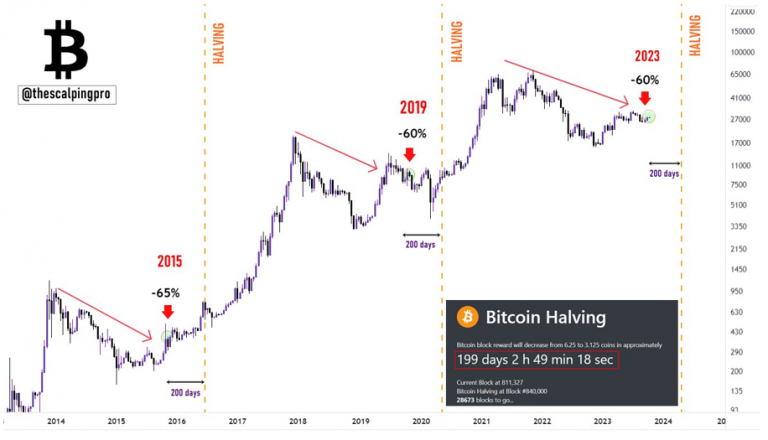
Delving into the captivating world of Bitcoin, this exploration charts the digital currency’s monumental all-time high. We’ll uncover the intricate factors driving its price surge, examining the historical context and market conditions leading up to this significant milestone. Get ready for a visual journey through the highs and lows, presented in a detailed graph.

The graph provides a comprehensive overview of Bitcoin’s price evolution, highlighting key events and market trends. We analyze the factors influencing Bitcoin’s price, including technological advancements, regulatory changes, and news events. This analysis is complemented by a detailed look at the cryptocurrency market as a whole during this period, providing a wider perspective.

Bitcoin Price History

Bitcoin all time price chart (logarithmic scale) Bitcoinmarket + Mt.Gox ...

Bitcoin’s price journey has been a rollercoaster, marked by dramatic highs and lows. Its volatile nature stems from a complex interplay of factors, including technological advancements, regulatory changes, market sentiment, and global economic events. Understanding this history is crucial for comprehending Bitcoin’s current position and potential future trajectory.

Bitcoin’s Price Trajectory

Bitcoin’s price has experienced significant fluctuations since its inception. Early adoption and limited trading volume contributed to its price volatility. The initial years saw rapid price increases followed by sharp declines. Over time, the market has matured, leading to more predictable, although still dynamic, price action. The influence of institutional investment and broader adoption has been instrumental in shaping its trajectory.

Factors Influencing Bitcoin’s Price Fluctuations

Several factors contribute to Bitcoin’s price volatility. Market sentiment, often driven by news cycles and social media trends, plays a pivotal role. News related to regulatory changes, technological advancements, and major events can cause significant price swings. Furthermore, Bitcoin’s price is correlated with other market trends, such as the overall performance of the stock market and other cryptocurrencies.

The price of Bitcoin is also impacted by the supply and demand dynamics in the market.

Historical Events Impacting Bitcoin’s Value

Several significant events have left a mark on Bitcoin’s price history. The 2017 bull run, fueled by increased media attention and growing adoption, led to substantial price increases. Conversely, regulatory crackdowns in certain jurisdictions and market corrections have caused substantial price drops. The COVID-19 pandemic, with its global economic uncertainty, also had a significant impact on Bitcoin’s price.

These events highlight the interconnectedness of Bitcoin’s price with broader global economic and political landscapes.

Correlation with Other Market Trends

Bitcoin’s price often mirrors movements in other financial markets. Strong correlations with the stock market, particularly during periods of economic uncertainty, have been observed. The rise and fall of other cryptocurrencies also have a demonstrable impact on Bitcoin’s price, showcasing a degree of interconnectedness within the digital asset ecosystem. This correlation can be attributed to investor behavior and the overall perception of risk in the market.

Bitcoin Price History Table

Date Price (USD) Event Description
2009 Minimal Bitcoin’s initial launch and development.
2017 17,000 USD (approx.) Major media attention and increased adoption.
2018 3,000 USD (approx.) Market correction and regulatory concerns.
2020 10,000 USD (approx.) COVID-19 pandemic and global economic uncertainty.
2021 60,000 USD (approx.) Increased institutional investment and broader adoption.
2022 20,000 USD (approx.) Market downturn and regulatory changes.

All-Time High Analysis

Bitcoin’s all-time high represents a significant milestone in its history, marked by a confluence of factors that drove substantial price appreciation. Understanding these factors provides valuable insights into the dynamics of the cryptocurrency market. This analysis delves into the circumstances surrounding the peak, the prevailing market conditions, and potential indicators leading up to the surge.The Bitcoin all-time high was not a sudden event but rather a culmination of various contributing factors.

Positive market sentiment, coupled with increasing adoption and institutional interest, played a crucial role in propelling the price. This period saw a surge in both retail and institutional investment, further fueling the upward trend.

Circumstances Surrounding the All-Time High

Several factors converged to create the conditions for Bitcoin’s all-time high. Growing mainstream awareness and adoption of cryptocurrencies significantly increased investor interest. This awareness was further amplified by prominent figures and news outlets, leading to increased media coverage and broader public discussion.

Market Conditions Leading Up to the Peak

The market leading up to the all-time high exhibited several key characteristics. Increased institutional investment was a prominent feature, with more companies and financial institutions entering the cryptocurrency market. This increased demand, combined with limited supply, created a positive feedback loop, driving prices higher. Speculative trading and increased adoption by retail investors also played a considerable role in the overall price surge.

Potential Indicators Preceding the Price Surge

Several indicators hinted at the impending price surge. Increased trading volume, particularly during periods of heightened market interest, often signaled increased investor activity. Furthermore, a growing number of positive news stories and social media buzz surrounding Bitcoin could have influenced investor sentiment and contributed to the anticipation of a price increase. Analyst reports and predictions also played a role, with some forecasting further price appreciation.

Comparison with Other Significant Price Points

Comparing the all-time high to other significant price points in Bitcoin’s history reveals valuable insights. The surge leading to the all-time high was significantly larger than previous price increases, indicating a significant shift in market sentiment and investor behavior. Comparing the volume and duration of these periods provides a context for understanding the scale and momentum of the all-time high.

Volume of Bitcoin Traded During the All-Time High Period

The volume of Bitcoin traded during the all-time high period was substantial. This high trading volume reflects the increased activity and interest in Bitcoin during this period. It also highlighted the increased participation from both institutional and retail investors. Analyzing the trading volume alongside price movements reveals a strong correlation between the two.

Key Market Indicators Before, During, and After the All-Time High

Indicator Before All-Time High During All-Time High After All-Time High
Market Sentiment Positive, growing adoption Highly positive, significant media coverage Mixed, correction period
Institutional Investment Increasing Significant Continued, but with caution
Trading Volume Increasing Extremely high Decreasing
Media Coverage Growing Widespread Decreasing

Graph of Bitcoin’s Price (USD)

All-Time High

Bitcoin’s price journey, from its inception to its all-time high, is a fascinating narrative of innovation, volatility, and market evolution. The graph visually captures this dynamic journey, revealing crucial price patterns and market conditions leading up to the peak. Analyzing the graph’s shape and trends provides valuable insights into the factors that influenced Bitcoin’s performance and potentially offers clues about future price movements.

Visual Representation of Bitcoin’s Price

The graph, charting Bitcoin’s price in USD from its genesis to its all-time high, is a powerful tool for understanding market dynamics. It displays a clear visual representation of the price fluctuations over time, making it easy to observe key trends and patterns. The x-axis represents time, while the y-axis displays the corresponding Bitcoin price in USD. The graph’s design is optimized for clarity and easy comprehension, featuring a clear labeling system for both axes and notable price points.

Price Patterns and Volatility Leading Up to the All-Time High

The graph reveals distinct price patterns leading up to the all-time high. Periods of significant price increases are interspersed with periods of consolidation and occasional price corrections. Volatility was high, exhibiting sharp price swings, especially during periods of heightened market activity and news events. This volatility, inherent in crypto markets, was a prominent feature of the period leading up to the all-time high.

Shape of the Graph Around the All-Time High Point

The graph’s shape around the all-time high point is crucial for understanding the market sentiment and conditions surrounding the peak. The shape likely displays a combination of increasing demand, market speculation, and potentially regulatory or technological developments. The approach to the all-time high may show a period of gradual increase, a sharp surge, or a more volatile trend, which is visible in the graph’s specific design.

Analyzing this part of the graph allows for a better understanding of the factors contributing to the all-time high.

Detailed Caption Explaining the Context of the Graph

Date Bitcoin Price (USD) Relevant Events/Market Conditions
2009 $0 Bitcoin’s inception; early adoption phase
2017 $20,000 Increased media attention; growing investor interest; initial coin offerings (ICOs)
2021 $60,000 Widespread adoption discussions; institutional interest; regulatory uncertainty
2021 (Max) $69,000 The all-time high; strong market sentiment; a culmination of various factors, including technological advancements and investor interest.

This graph depicts Bitcoin’s price evolution from its creation to its all-time high in 2021. The table alongside the graph offers context by linking price points to notable events and market conditions. It illustrates how various factors influenced the price movements, ranging from initial development to growing interest, institutional investment, and regulatory uncertainty. The combination of factors led to the remarkable all-time high.

Potential Implications of the Graph’s Shape for Future Price Predictions

The graph’s shape provides insights into potential future price predictions. The trends and patterns observed during the period leading up to the all-time high can be analyzed to identify potential indicators for future price movements. Past patterns, while not guaranteeing future behavior, can provide a framework for understanding market dynamics and possible future directions. Consideration of factors such as investor sentiment, technological advancements, and regulatory changes are crucial for interpreting the graph’s implications for future predictions.

However, it’s important to acknowledge that the crypto market is highly volatile and unpredictable.

Cryptocurrency Context

The period surrounding Bitcoin’s all-time high in 2021 presented a complex interplay of market forces, investor sentiment, and regulatory developments. Understanding the broader cryptocurrency market during this period is crucial to appreciating the factors that contributed to Bitcoin’s performance and the overall ecosystem’s trajectory.

Broader Cryptocurrency Market Performance

The cryptocurrency market experienced significant growth during the period surrounding Bitcoin’s all-time high. Several factors contributed to this growth, including increased mainstream media attention, the rise of institutional investment, and a general surge in interest in alternative assets. However, this period also saw considerable volatility and market corrections.

  • Increased Adoption and Investment: Growing adoption by institutional investors and retail traders led to substantial capital inflows into the cryptocurrency market. This heightened interest contributed to the surge in prices across various cryptocurrencies, not just Bitcoin. Examples include the adoption of Bitcoin by payment processors and businesses, further validating its value as a digital currency.
  • Comparison with Other Major Cryptocurrencies: Bitcoin’s performance during this period was generally stronger than other major cryptocurrencies, such as Ethereum, although other tokens saw their own periods of rapid growth. This relative performance reflects Bitcoin’s historical precedence and perceived stability compared to some newer or more speculative projects. The relative performance of altcoins was significantly impacted by market speculation, hype, and the overall cryptocurrency ecosystem’s evolving regulatory landscape.

  • Market Sentiment: Overall market sentiment toward cryptocurrencies was overwhelmingly positive during the peak. This optimism was fueled by the belief that cryptocurrencies represented a disruptive technology with significant potential. This optimism, however, was not universally shared, with concerns about market volatility and regulatory uncertainty also present.

Regulatory Landscape and News

Regulatory developments played a pivotal role in shaping the cryptocurrency market during this period. A lack of clear, consistent global regulatory frameworks often led to uncertainty and speculation.

  • Regulatory Changes and News: Several countries and jurisdictions announced or implemented new regulations related to cryptocurrencies. Some of these regulations aimed to address concerns about investor protection, money laundering, and market stability. This led to significant variations in the cryptocurrency market’s development across different regions.
  • Regulatory Uncertainty: The absence of a globally consistent regulatory framework created uncertainty and volatility in the market. Different jurisdictions adopted different approaches to regulating cryptocurrencies, leading to conflicting interpretations and potential legal challenges.

Economic Climate

The economic climate during the Bitcoin all-time high period was marked by low-interest rates, substantial monetary stimulus from central banks, and a global focus on digital assets.

  • Global Economic Context: The global economy was characterized by low-interest rates and significant monetary stimulus from central banks. This environment often encouraged investors to seek alternative investment opportunities, which contributed to the rise in interest in cryptocurrencies.
  • Low-Interest Rates and Monetary Stimulus: Low-interest rates and large-scale monetary stimulus initiatives created an environment where investors sought alternative assets. This created a backdrop where cryptocurrencies, with their perceived potential for high returns, gained significant traction.

Factors Influencing Bitcoin’s Price

Bitcoin’s price volatility is a complex phenomenon, influenced by a multitude of interconnected factors. Understanding these forces is crucial to comprehending the cryptocurrency’s unpredictable trajectory. From technological breakthroughs to regulatory shifts and market sentiment, each element plays a significant role in shaping the price.

Technological Advancements

Technological advancements in blockchain technology, and the wider cryptocurrency ecosystem, directly impact Bitcoin’s value proposition. Innovations in mining, transaction processing speeds, and security measures all contribute to the perceived utility and trustworthiness of Bitcoin. Improvements in scalability, for example, can enhance the network’s ability to handle a growing number of transactions, thereby increasing demand and potentially driving up the price.

Conversely, if a major vulnerability is discovered, it could drastically impact the price, as investors react to the perceived risk.

Regulatory Changes

Government regulations play a pivotal role in shaping the cryptocurrency market. Varying regulations across different jurisdictions create complexities for investors. Favorable regulatory environments can foster trust and encourage investment, potentially leading to price appreciation. Conversely, stringent regulations or outright bans can suppress the market and depress prices. The impact of regulatory changes can be significant, as seen in instances where a country adopts stricter rules concerning cryptocurrency trading or ownership.

News Events and Market Sentiment

News events and public perception are powerful forces that can influence Bitcoin’s price. Major news stories, both positive and negative, can trigger significant price swings. For example, positive media coverage highlighting Bitcoin’s potential applications or technological advancements can boost investor confidence and drive price increases. Conversely, negative press or regulatory concerns can lead to a sell-off and price declines.

Social media trends and public opinion also play a crucial role in influencing market sentiment. A surge in positive online discussions about Bitcoin can create a ripple effect, encouraging more investment and pushing prices upwards. Likewise, a wave of negative sentiment can lead to a downturn. Furthermore, events such as major hacks or security breaches can create uncertainty and drive down the price.

A clear example of this is when a major cryptocurrency exchange experiences a security breach, leading to a loss of funds for users and consequently, a decline in investor confidence.

Interconnectedness of Factors

The factors influencing Bitcoin’s price are not isolated entities; they are intricately interconnected. For instance, technological advancements can lead to regulatory changes as governments seek to adapt to new technologies. Furthermore, news events and public sentiment can be influenced by both technological advancements and regulatory changes. A positive regulatory environment can encourage investment, leading to increased demand and price increases, while technological advancements in Bitcoin’s underlying infrastructure can enhance investor confidence and fuel market growth.

In summary, understanding these interdependencies is crucial to understanding Bitcoin’s price movements.

Examples of Events Affecting Price

Numerous events have demonstrably impacted Bitcoin’s price. The release of significant updates to the Bitcoin protocol, such as a key upgrade, can influence the price based on the perceived improvement in security, scalability, or functionality. Likewise, a significant regulatory development in a major market, such as the introduction of new regulations, can significantly impact the price. The introduction of new payment options that incorporate Bitcoin can also influence the price, indicating the growing adoption of Bitcoin in different industries.

Conclusive Thoughts

In conclusion, this comprehensive analysis of Bitcoin’s all-time high unveils a complex interplay of market forces and historical events. The visual representation and detailed data offer a clear understanding of the factors that contributed to this pivotal moment in Bitcoin’s history. We explore the implications of this event, offering insights into potential future trends in the cryptocurrency market.

General Inquiries

What is the significance of this all-time high?

The all-time high signifies a peak in Bitcoin’s value, representing a crucial point in its history. It’s important to understand the factors driving this event to better appreciate the market’s dynamics.

What are some key events that preceded the all-time high?

Numerous factors, including technological advancements, regulatory shifts, and market sentiment, likely contributed to the build-up. We examine these in detail within the analysis.

How does this all-time high compare to other price points in Bitcoin’s history?

A detailed comparison will be included in the analysis, highlighting the significance of this particular high point relative to other key milestones.

What was the trading volume during the all-time high period?

The analysis will provide specific details about the trading volume, offering insights into market activity at that time.

Starting with the junior financial analyst job description, this role is pivotal in the finance sector, providing essential support in data analysis and reporting. As organizations strive to make informed financial decisions, junior financial analysts play a crucial role in interpreting financial data and assisting in financial planning.

These professionals are often the backbone of the finance team, responsible for collecting data, analyzing trends, and preparing financial reports that inform strategic decisions. With the right mix of education and skills, they can thrive in a dynamic work environment, contributing to the overall success of the organization.

Job Overview

As a Junior Financial Analyst, you play a pivotal role in supporting the financial operations of an organization. This entry-level position is designed for individuals who are eager to learn and contribute to financial decision-making processes. You will work closely with senior analysts and finance teams, gaining valuable insights into financial modeling, reporting, and analysis.The main responsibilities of a Junior Financial Analyst include assisting in the preparation of financial reports, conducting data analysis, and supporting budgetary and forecasting processes.

You will be involved in examining financial data to identify trends, discrepancies, and opportunities for improvement. This role not only demands strong analytical skills but also requires a solid understanding of financial principles and tools.

Main Responsibilities

The responsibilities of a Junior Financial Analyst encompass a variety of tasks that contribute to the financial health of the organization. Key duties include:

  • Assisting with the preparation of monthly financial reports, ensuring accuracy and timely submission.
  • Analyzing financial data to identify trends, anomalies, and areas for cost reduction.
  • Supporting the budgeting and forecasting process by providing insights based on historical data.
  • Collaborating with various departments to gather and verify financial information.
  • Utilizing financial software and tools to aid in data analysis and reporting.

Essential Skills

To succeed in this role, several skills are crucial. A Junior Financial Analyst should possess:

  • Strong analytical and quantitative skills to interpret complex financial data.
  • Proficiency in financial modeling and familiarity with financial software, such as Excel and ERP systems.
  • Excellent communication skills for effective reporting and collaboration with cross-functional teams.
  • Attention to detail and strong organizational skills to manage multiple tasks efficiently.
  • A foundational understanding of accounting principles and financial regulations.

Work Environment and Reporting Structure

The typical work environment for a Junior Financial Analyst is usually within an office setting, which may be part of a larger finance department. Junior analysts often report to senior financial analysts or finance managers, providing essential support to ensure the accuracy and efficiency of financial operations. In terms of culture, organizations may encourage teamwork and provide opportunities for professional development.

Junior analysts will often find themselves collaborating with various departments, such as accounting, operations, and sales, which fosters a comprehensive understanding of the company’s financial landscape.

“Financial analysts are crucial for informed decision-making, blending analytical skills with financial knowledge to drive organizational success.”

Educational Requirements

A robust educational background is fundamental for a successful career as a junior financial analyst. Typically, candidates pursue a degree in finance, accounting, economics, or a related field. This educational foundation equips them with essential analytical skills and a comprehensive understanding of financial principles and market dynamics, which are critical for effective performance in this role.

In addition to a degree, aspiring financial analysts can enhance their profiles through various certifications. These certifications not only demonstrate a commitment to the profession but also provide specialized knowledge that is highly valued in the industry. Here are some notable certifications that can bolster a candidate’s credentials:

Relevant Certifications

The following certifications are widely recognized in the finance sector and can significantly improve job prospects:

  • Chartered Financial Analyst (CFA): This is a prestigious certification that focuses on investment management and financial analysis, ideal for those looking to excel in the finance industry.
  • Certified Public Accountant (CPA): This certification is beneficial for analysts looking to specialize in accounting practices and financial reporting.
  • Financial Risk Manager (FRM): This certification is tailored for those interested in risk management and financial market strategies.
  • Chartered Alternative Investment Analyst (CAIA): This is targeted towards analysts who wish to specialize in alternative investments.

Internships or relevant work experience play a crucial role in preparing candidates for a financial analyst position. These practical experiences allow individuals to apply theoretical knowledge in real-world scenarios, enhancing their analytical and problem-solving skills. Internships often provide exposure to financial modeling, data analysis, and market research, which are vital components of the junior analyst role. Furthermore, internships offer networking opportunities that can lead to job placements post-graduation, making them an invaluable step in a finance career.

Real-world experience gained through internships is often viewed as a distinguishing factor by recruiters, providing candidates with a competitive edge in the job market.

Key Responsibilities

As a Junior Financial Analyst, you’ll play a vital role in supporting the finance team by handling various analytical tasks. Your daily activities will revolve around gathering and analyzing financial data, assisting in report preparation, and contributing to strategic decision-making processes. Your analytical skills will be pivotal in ensuring that the company operates on sound financial principles.The preparation of financial reports and presentations is a crucial aspect of this role.

This process involves a detailed examination of financial data to provide insights that are essential for management. You’ll be responsible for compiling data from various sources, ensuring accuracy, and presenting your findings in a clear and concise manner.

Daily Tasks Performed by a Junior Financial Analyst

Daily responsibilities encompass a range of tasks that are integral to the finance department. These tasks ensure that the financial operations run smoothly and efficiently. The key daily activities include:

  • Gathering financial data from different departments to facilitate comprehensive analysis.
  • Assisting in the preparation of monthly, quarterly, and annual financial reports.
  • Updating financial models to reflect current data and forecasts.
  • Conducting variance analysis to compare budgeted figures against actual performance.
  • Participating in meetings to discuss financial strategies and performance metrics.

Process of Preparing Financial Reports and Presentations

Financial reports and presentations are critical tools for communicating financial performance to stakeholders. The preparation process involves several key steps:

  • Collecting and validating financial data from accounting and other relevant departments.
  • Analyzing trends and variances in the data to identify significant insights.
  • Designing visually appealing presentations using tools like Excel and PowerPoint to convey data effectively.
  • Reviewing reports for accuracy and coherence before submission to supervisors.
  • Collaborating with senior analysts to ensure alignment with strategic financial goals.

Role of Data Analysis in Supporting Decision-Making

Data analysis is a cornerstone of effective decision-making in finance. The insights derived from thorough analysis can significantly influence business strategies. Key components include:

  • Utilizing statistical techniques to interpret complex data sets and derive actionable insights.
  • Creating forecasts based on historical data to predict future financial performance.
  • Developing dashboards that visualize key performance indicators (KPIs) for quick assessments.
  • Working closely with various departments to understand their financial needs and provide tailored analytical support.
  • Ensuring that data-driven recommendations align with the broader business objectives.

Tools and Software

In the world of financial analysis, having the right tools and software is crucial for efficient data manipulation and insightful reporting. Junior financial analysts often rely on a mix of traditional and emerging technologies to perform their tasks effectively. Understanding and mastering these tools not only streamlines their workflow but also enhances their analytical capabilities.

Common Financial Tools and Software

A range of financial tools and software are frequently utilized by analysts to ensure accurate data processing and reporting. Mastery of these applications is a significant advantage in any financial analyst’s career. The following list Artikels some of the most important tools commonly used in the field:

  • Microsoft Excel: A cornerstone in financial analysis for data manipulation, modeling, and visualization.
  • Tableau: A powerful data visualization tool that helps analysts create interactive and shareable dashboards.
  • QuickBooks: Widely used for accounting and financial management, providing insights into business financials.
  • SAP: An enterprise resource planning (ERP) software that integrates various business functions, enhancing financial reporting.
  • Bloomberg Terminal: A premium resource for real-time financial data, news, and analytics, widely used in investment and trading sectors.

Importance of Proficiency in Excel

Proficiency in Excel significantly impacts the efficiency and effectiveness of a junior analyst’s work. Excel serves as the primary tool for data analysis and financial modeling, allowing analysts to manipulate large datasets and perform complex calculations quickly. A few key benefits of being skilled in Excel include:

  • The ability to create financial models that help in forecasting and valuation.
  • Efficient data analysis through functions such as VLOOKUP, pivot tables, and data visualization tools like charts.
  • Streamlining repetitive tasks through automation using macros, saving time and reducing errors.

“Excel proficiency is not just a skill but a necessity for financial analysts in today’s data-driven environment.”

Emerging Technologies in Financial Analysis

As the financial landscape evolves, new technologies are emerging that are transforming how analysts approach their work. Staying abreast of these developments is essential for junior analysts aiming to remain competitive in the field. Some notable technologies include:

  • Artificial Intelligence (AI): AI is being integrated into financial analysis to automate data collection and improve predictive analytics.
  • Machine Learning (ML): ML algorithms are increasingly used for analyzing market trends and making investment decisions based on historical data.
  • Blockchain Technology: It is revolutionizing how financial transactions are recorded and reported, ensuring transparency and security.
  • Financial Modeling Software: Tools like Adaptive Insights and Planful are gaining popularity for their ability to streamline budgeting and forecasting processes.

Integrating these emerging technologies into daily practices not only enhances analytical capabilities but also opens up new avenues for insight generation and strategic planning within organizations.

Career Progression

Starting as a junior financial analyst sets the foundation for a rewarding career in finance. This entry-level position offers a unique opportunity to develop analytical skills, learn about financial modeling, and gain firsthand experience in the financial decision-making process. As analysts build expertise and demonstrate their capabilities, they can climb the career ladder in various directions within the finance sector.Advancement opportunities are abundant in finance, and junior financial analysts can expect a structured career path.

Many will typically progress to mid-level roles such as financial analyst or financial consultant within a few years, depending on performance and company structure. As they gain experience, some may transition into specialized areas such as risk analysis, investment banking, or corporate finance, which often come with increased responsibilities and higher salary potential. Growth in this field is largely driven by the ability to meet or exceed performance metrics, which are critical for evaluations, promotions, and overall career advancement.

Typical Career Path

The career trajectory for a junior financial analyst is often well-defined, allowing for clear expectations and goals. Here’s a breakdown of the typical progression:

  • Junior Financial Analyst: Entry-level role focused on data analysis, reporting, and supporting senior analysts.
  • Financial Analyst: After 2-3 years, analysts often move up to this position, taking on more complex financial modeling and forecasting responsibilities.
  • Senior Financial Analyst: Typically achieved within 5-7 years, this role involves overseeing projects, leading teams, and making strategic recommendations to management.
  • Finance Manager: After gaining significant experience (around 7-10 years), professionals may step into managerial roles, responsible for departmental operations and team performance.
  • Director of Finance or CFO: With extensive experience and proven leadership, finance professionals can aim for executive positions that shape the financial strategy of the organization.

Performance metrics are instrumental in determining career growth in this role. Regular evaluations based on analytical accuracy, timely reporting, and contribution to financial strategies influence promotions and further opportunities. Companies often use key performance indicators (KPIs) to assess how well an analyst is performing in their role, which can include:

“Analytical accuracy, timely reporting, and contribution to strategic decisions are crucial metrics for career advancement.”

By consistently meeting or exceeding these metrics, junior financial analysts can position themselves favorably for promotions, salary increases, and expanded responsibilities, making it essential to focus on developing skills that align with organizational goals.

Soft Skills

In the dynamic role of a junior financial analyst, technical acumen must be complemented by essential soft skills that facilitate effective collaboration and communication. These skills are crucial for navigating the complexities of financial data and engaging with various stakeholders across the organization. The significance of strong communication skills cannot be overstated, particularly in presenting financial data to non-financial audiences.

A junior financial analyst frequently translates complex analyses into clear, understandable insights. This not only aids decision-making but also fosters trust and clarity among teams.

Importance of Communication Skills

Effective communication skills are indispensable in a financial setting for several reasons. They enable analysts to articulate their findings clearly and concisely, ensuring that decision-makers can easily grasp the implications of the data presented. The ability to tailor messages according to the audience—whether presenting to management or collaborating with accounting teams—is vital for successful information sharing.

  • Clarity in presenting data: Analysts should be able to summarize financial reports succinctly, using visual aids like charts and graphs to enhance understanding.
  • Active listening: It’s essential for analysts to fully understand the questions and concerns of stakeholders, enabling them to provide relevant insights and recommendations.
  • Written communication: Crafting reports that convey complex information in a digestible format is a key responsibility, requiring strong writing skills.

Teamwork and Collaboration

In the realm of finance, teamwork is critical as financial analysis often intersects with various departments. Collaboration among teams leads to a more comprehensive understanding of the company’s financial health and fosters innovative solutions to challenges. Building strong relationships and working cohesively with others enhances the quality of insights produced. A successful junior financial analyst thrives in a collaborative environment, contributing to projects that require input and expertise from multiple stakeholders.

  • Adaptability: Working in teams requires flexibility in approach and openness to different perspectives, which enriches the analysis process.
  • Conflict resolution: Analysts should be equipped to manage disagreements constructively, ensuring that discussions remain focused on achieving common goals.
  • Networking: Establishing connections within and outside the finance department can lead to shared knowledge and opportunities for collaboration on cross-functional projects.

Strong soft skills complement technical expertise and are crucial for success in the role of a junior financial analyst.

Challenges Faced

Junior financial analysts often encounter a variety of challenges as they navigate the complexities of the financial landscape. These obstacles may stem from the demanding nature of financial data analysis, the rapid pace of market changes, or even the pressure to deliver accurate reports under tight deadlines. Recognizing and understanding these challenges is crucial for aspiring analysts who wish to thrive in their roles and contribute effectively to their teams.One significant challenge faced by junior financial analysts is the overwhelming volume of data they must analyze.

The financial sector generates vast amounts of information daily, which can be daunting for those who are new to the field. Junior analysts must develop strong analytical skills to sift through data efficiently and extract meaningful insights. To address this, mastering data analysis tools and software, such as Excel and financial modeling software, can significantly enhance productivity and accuracy.

Common Challenges

Several challenges are particularly common among junior financial analysts. These include:

  • Data Overload: The sheer volume of financial data can be overwhelming, making it difficult to focus on key metrics.
  • Time Management: Balancing multiple projects and deadlines can be stressful and requires strong organizational skills.
  • Communication Barriers: Effectively conveying complex financial concepts to non-financial stakeholders can be challenging, leading to misunderstandings.
  • Keeping Up with Market Changes: The financial environment is constantly evolving, requiring analysts to stay informed about economic trends and regulations.

The importance of adaptability cannot be overstated in this rapidly changing financial landscape. To remain relevant, junior analysts must be willing to learn and adjust their approaches as new tools, techniques, and regulations emerge. Embracing continuous learning and professional development through workshops, certifications, and online courses can help analysts stay ahead of the curve.

Strategies for Overcoming Challenges

To effectively navigate these challenges, junior financial analysts can implement several strategies:

  • Prioritization: Focus on the most critical data points and analysis tasks to manage time and resources effectively.
  • Effective Communication: Develop the ability to explain financial concepts in simple terms to ensure clarity and understanding among all stakeholders.
  • Networking: Building relationships with colleagues and mentors can provide support and insights, facilitating personal and professional growth.
  • Continual Learning: Actively seek out training and development opportunities to enhance skills and knowledge in finance and analytics.

By employing these strategies, junior financial analysts can mitigate the impact of common challenges, paving the way for successful careers in finance. The ability to adapt to the ever-evolving financial landscape is not just beneficial; it is essential for long-term success and growth in the industry.

Job Market Trends

The job market for junior financial analysts has been evolving rapidly, influenced by various economic factors and industry demands. As organizations increasingly rely on data-driven decisions, the need for skilled financial analysts has grown, creating a promising landscape for aspiring professionals in this field.Economic changes, such as shifts in interest rates, inflation, and global trade dynamics, significantly impact hiring trends in finance.

Companies often adjust their recruitment strategies based on economic forecasts, leading to fluctuations in demand for junior financial analysts. During periods of economic stability, hiring typically increases as businesses expand and seek to optimize their financial performance. Conversely, during economic downturns, hiring may slow, emphasizing the need for analysts who can navigate uncertainty and provide insights to mitigate risks.

Industries Seeking Junior Financial Analysts

Various sectors are actively looking for junior financial analysts to support their operations and decision-making processes. Here are some key industries currently prioritizing the recruitment of junior financial analysts:

  • Banking and Financial Services: This industry remains a cornerstone for financial analysts, with roles in risk assessment, investment analysis, and portfolio management.
  • Healthcare: Healthcare organizations are increasingly utilizing financial analysts to manage budgets, evaluate costs, and analyze financial data to improve service delivery.
  • Technology: Tech companies are hiring analysts to assess financial performance, guide product pricing strategies, and inform investment decisions.
  • Manufacturing: Financial analysts in manufacturing help in cost analysis, budgeting, and financial forecasting to enhance operational efficiency.
  • Consulting: Consulting firms seek financial analysts to provide insights and recommendations to their clients, making it a growing area for entry-level positions.

The demand for junior financial analysts in these sectors is driven by the need for strategic financial planning, compliance with regulations, and the ability to adapt to rapidly changing market conditions. As businesses continue to recognize the value of analytical insights, the opportunities for junior financial analysts are expected to remain robust.

“The growing reliance on data analysis in decision-making processes is paving the way for a bright future for junior financial analysts.”

Last Word

In conclusion, understanding the junior financial analyst job description is key for aspiring analysts to navigate their career journey effectively. With opportunities for growth and the demand for skilled analysts in various industries, this role offers a solid foundation for a promising financial career.

Commonly Asked Questions

What education is required for a junior financial analyst?

A bachelor’s degree in finance, accounting, or a related field is typically required for this position.

What skills are essential for success as a junior financial analyst?

Key skills include analytical thinking, attention to detail, proficiency in Excel, and strong communication abilities.

What are common entry-level salaries for junior financial analysts?

Salaries can vary, but entry-level positions often range from $50,000 to $70,000 annually, depending on location and industry.

What software do junior financial analysts commonly use?

Common tools include Excel, financial modeling software, and reporting tools like Tableau or Power BI.

Is previous experience necessary for this role?

While internships or relevant experience can be beneficial, many junior analyst positions are open to recent graduates.

Buying Bitcoin in the USA with a debit card is now easier than ever. This guide explores the popular apps that facilitate these transactions, highlighting the security measures, fees, and user experience. We’ll delve into the process, compare various options, and examine potential risks to help you make informed decisions.

Navigating the digital world of cryptocurrency can feel overwhelming, especially when it comes to purchasing Bitcoin. This guide provides a comprehensive overview of the process, focusing on the specific use of debit cards within the US market. We’ll also explore alternative payment methods for a well-rounded perspective.

Introduction to Bitcoin Buying

Bitcoin is a decentralized digital currency, operating independently of central banks. Its value fluctuates based on supply and demand in the market. This volatility is a key characteristic of cryptocurrencies, and potential buyers need to be aware of this. Bitcoin’s unique design allows for secure and transparent transactions, facilitated by a distributed ledger system known as blockchain.The process of buying Bitcoin typically involves selecting a reputable Bitcoin exchange platform, verifying your identity, funding your account with fiat currency (like USD), and then placing an order to purchase Bitcoin.

This process often requires completing KYC (Know Your Customer) procedures. Different exchanges and methods may have specific steps. The process may vary slightly based on the chosen platform.

Methods for Acquiring Bitcoin

Different methods exist for acquiring Bitcoin, each with its own set of advantages and disadvantages. Understanding these options is essential for making an informed decision.

  • Bitcoin exchanges (e.g., Coinbase, Kraken): These platforms provide a streamlined buying experience and often offer competitive exchange rates. However, they may have limitations on transaction volume or fees.
  • Peer-to-peer (P2P) platforms (e.g., LocalBitcoins): P2P platforms connect buyers directly with sellers, potentially allowing for lower fees and more flexibility. However, security risks are elevated, as the buyer needs to carefully verify the seller.
  • Over-the-counter (OTC) trading: For large transactions, OTC trading allows for custom agreements between buyers and sellers, often through established brokers. However, this approach may involve a more complex process and requires thorough due diligence.
  • Bitcoin ATMs: These automated teller machines allow for cash-based Bitcoin purchases. They are convenient for quick transactions, but their availability may be limited and fees can be relatively high.

Security in Bitcoin Transactions

Maintaining security is paramount in Bitcoin transactions. Protecting your funds and private keys is crucial.

  • Strong Passwords and Two-Factor Authentication (2FA): Use strong, unique passwords and enable 2FA wherever possible. This adds an extra layer of security to your accounts.
  • Secure Storage: Store your private keys securely, preferably offline. Never share your private keys with anyone.
  • Transaction Verification: Thoroughly verify the transaction details before confirming any purchase. Pay attention to the recipient address and the amount.
  • Reputation Checks: When using P2P or OTC methods, carefully research the reputation of the other party.

Comparison of Bitcoin Exchanges

Different Bitcoin exchanges offer varying services and features. Evaluating these platforms is critical before choosing one.

Exchange Pros Cons
Coinbase User-friendly interface, strong security, wide range of supported fiat currencies. Potentially higher fees, limited trading options for advanced users.
Kraken Advanced trading features, competitive fees for high-volume traders. Steeper learning curve, less user-friendly interface compared to Coinbase.
Binance High trading volume, wide range of cryptocurrencies, competitive fees. Greater risk of scams, more complex platform than Coinbase.
Gemini Focus on security and regulation compliance, good reputation. Limited trading options, potentially higher fees than some competitors.

Buying Bitcoin with Debit Cards in the USA

Buying Bitcoin using a debit card in the USA is a convenient option for many users. This method offers a straightforward way to acquire Bitcoin without the need for a bank transfer or other complex procedures. However, it’s essential to understand the available platforms, associated security measures, and potential fees to make informed decisions.A significant portion of Bitcoin purchases in the USA are facilitated by debit cards.

This approach simplifies the process for those unfamiliar with cryptocurrency transactions. Understanding the nuances of security, fees, and transaction speeds is crucial for a positive and efficient experience.

Availability of Debit Card Purchases

Debit card purchases for Bitcoin are widely available in the USA through various reputable cryptocurrency platforms. These platforms have built robust systems to process debit card transactions, ensuring a smooth and secure experience for users. Many platforms prioritize user safety and have stringent security protocols in place.

Popular Platforms Supporting Debit Card Purchases

Several popular platforms facilitate Bitcoin purchases using debit cards. These platforms typically offer a user-friendly interface and robust security measures. Examples include Coinbase, Kraken, and Gemini. Each platform has its own set of features, fees, and transaction speeds, making comparison essential for optimal selection.

Security Measures Employed by Platforms

Security is paramount when dealing with financial transactions, including Bitcoin purchases. Reputable platforms employ advanced security measures to protect user data and funds. These measures often include two-factor authentication, encryption, and secure storage of user credentials. Platforms also adhere to industry best practices and regulatory requirements.

Fees Associated with Debit Card Purchases

Transaction fees vary across platforms and are often influenced by factors like the amount being purchased, the platform’s fee structure, and any applicable taxes. Platforms typically disclose their fees clearly in their terms and conditions, allowing users to make informed decisions. Users should always check the specific fees before making a purchase.

Comparison of Transaction Speed

The speed of Bitcoin transactions using debit cards generally compares favorably to other methods like bank transfers. Debit card transactions often complete within a few minutes, while bank transfers can sometimes take several days. The speed is dependent on the specific platform and the volume of transactions processed.

Step-by-Step Procedure for Buying Bitcoin with a Debit Card

A typical process for buying Bitcoin with a debit card involves these steps:

  1. Select the desired platform for Bitcoin purchases.
  2. Create an account and verify your identity, usually by providing personal information and documents.
  3. Add your debit card to your account.
  4. Enter the amount of Bitcoin you wish to purchase.
  5. Review the transaction details and confirm the purchase.
  6. Monitor the transaction status and await confirmation of the Bitcoin transfer.

These steps Artikel the common process, but specific procedures may vary depending on the platform.

User Experience and Interface

The user experience (UX) is crucial for successful Bitcoin purchases with debit cards. A well-designed platform should be intuitive and straightforward, minimizing friction points for users. A positive experience encourages repeat business and builds trust in the platform.A robust and user-friendly interface is key to navigating the process smoothly. Clear instructions, intuitive design, and readily available support all contribute to a seamless experience.

Typical User Experience on Bitcoin Purchase Platforms

Users typically expect a simple and secure process. The interface should guide them through each step, from selecting their desired amount to confirming the transaction. Security is paramount, and users should feel confident that their personal and financial information is protected. Clear and concise transaction details, including fees, are vital for transparency.

Interface Elements

Common interface elements include clear input fields for the desired Bitcoin amount, selection of debit cards, and confirmation buttons. Visual cues, such as progress bars or loading indicators, help users understand the status of their transactions. Visual cues should be clear, consistent, and easily understood. Examples include visually distinct buttons for “Buy Bitcoin,” “Review,” and “Confirm.”

Navigation and Ease of Use

Effective navigation is critical for a positive user experience. The platform should be structured logically, with clear pathways for completing the purchase. Intuitive menus, helpful tooltips, and readily available support resources contribute to the ease of use. Users should be able to easily locate information on transaction history, fees, and account settings.

Common User Issues

Some common user issues include confusing interfaces, complex transaction processes, and insufficient security information. Technical glitches, like slow loading times or payment failures, can also disrupt the user experience. In addition, users may struggle with understanding the different types of fees associated with the transaction.

Strategies to Improve User Experience

Several strategies can enhance the user experience. Employing clear and concise language throughout the platform is crucial. A visually appealing design, coupled with intuitive navigation, can significantly improve the user experience. Providing readily accessible support channels, such as FAQs or live chat, can address user queries and concerns efficiently. Thorough security measures, coupled with transparent fee structures, instill user confidence.

Comparison of Platform User Interfaces

Platform Interface Features Ease of Use
Platform A Clear input fields, progress indicators, secure checkout, detailed transaction history High
Platform B Intuitive navigation, multiple payment options, detailed fee information, support resources Medium
Platform C Basic input fields, slow loading times, limited support options Low

Security Considerations

Log in screen. Mobile application interface, registration form with ...

Securing your Bitcoin purchases and personal information is paramount. This section details the robust security measures implemented to protect users and Artikels best practices for maintaining the safety of your Bitcoin holdings. Understanding these precautions can significantly reduce the risk of financial loss or data breaches.

Implemented Security Protocols

Our platform employs industry-standard encryption protocols to safeguard transactions. Data is transmitted using HTTPS, ensuring all communication between your device and our servers is encrypted and unreadable to unauthorized parties. This encryption protects sensitive information, including your debit card details and Bitcoin transaction information. Advanced algorithms and firewalls are in place to defend against various cyberattacks and protect your account data.

Protecting Personal Information

Maintaining the confidentiality of your personal information is crucial. We strictly adhere to data privacy regulations and store your information securely. Your debit card details are not stored on our servers; instead, they are processed directly by our secure payment gateway partners, adhering to PCI DSS standards. You should always keep your passwords strong and unique, and enable two-factor authentication (2FA) for added security.

Be wary of phishing attempts and suspicious emails or messages that may request your personal information.

Potential Risks and Vulnerabilities

While our platform takes numerous security precautions, certain risks are inherent in any online financial transaction. Potential vulnerabilities include compromised payment gateways, fraudulent websites mimicking legitimate platforms, and social engineering tactics. Users should be vigilant about suspicious websites and verify the platform’s legitimacy before providing any personal or financial information. Phishing scams, which aim to deceive users into revealing sensitive data, remain a constant threat.

Best Practices for Securing Bitcoin Wallets

Protecting your Bitcoin wallet is equally critical. Use strong, unique passwords and enable 2FA. Store your wallet recovery phrase (or seed phrase) offline in a secure location, and never share it with anyone. Regularly update your wallet software to patch security vulnerabilities. Avoid using public Wi-Fi networks for sensitive transactions, as they can be easily intercepted.

Avoiding Scams and Fraudulent Activities

Scammers often impersonate legitimate platforms or individuals. Always verify the legitimacy of any platform or person asking for your personal information or funds. Do not click on suspicious links or download files from unknown sources. Be cautious of unsolicited offers of high returns or unusually low prices for Bitcoin. Report any suspicious activity to the appropriate authorities and platform administrators immediately.

Security Tips for Bitcoin Buyers

  • Regularly review your account activity to identify any unauthorized transactions.
  • Be cautious about accepting unsolicited advice or offers regarding Bitcoin purchases.
  • Use strong and unique passwords for your accounts and enable 2FA whenever possible.
  • Educate yourself about common Bitcoin scams and fraud tactics.
  • Consider using a reputable Bitcoin wallet that offers robust security features.

Legal and Regulatory Aspects

The landscape of cryptocurrency regulation in the USA is complex and evolving. Navigating these legal nuances is crucial for any platform facilitating Bitcoin purchases. This section details the current legal environment and considerations for compliance.The legal framework surrounding Bitcoin purchases in the US is not definitively codified, but rather is shaped by interpretations of existing laws. This lack of a specific Bitcoin law creates challenges for businesses operating in this sector.

However, existing laws regarding financial transactions, money laundering, and consumer protection are applicable to Bitcoin transactions.

Legal Landscape Surrounding Bitcoin Purchases

The legal landscape for Bitcoin purchases in the US is characterized by a patchwork of regulations, often based on interpretations of existing financial laws. This makes it difficult for companies to ensure complete compliance. The absence of a dedicated Bitcoin law means that existing regulations, including those related to money laundering and consumer protection, apply to Bitcoin transactions.

Regulations and Restrictions on Bitcoin Purchases with Debit Cards

While no specific regulations prohibit buying Bitcoin with debit cards, certain restrictions might apply depending on the issuing bank or payment processor. Banks may impose restrictions on transactions deemed high-risk or involving cryptocurrencies. Additionally, compliance with anti-money laundering (AML) regulations is essential.

Government Agencies Involved in Regulating Bitcoin Transactions

Several government agencies play a role in regulating Bitcoin transactions. The Financial Crimes Enforcement Network (FinCEN) is a key agency, overseeing the implementation and enforcement of AML regulations. The Internal Revenue Service (IRS) is also heavily involved, determining tax implications of Bitcoin transactions. The Securities and Exchange Commission (SEC) has also weighed in, particularly on whether certain cryptocurrencies are securities.

Tax Implications of Bitcoin Purchases

Bitcoin purchases are generally treated as capital assets under US tax laws. This means gains or losses from buying and selling Bitcoin are typically taxed as capital gains or losses. The exact tax rate depends on the holding period and the individual’s tax bracket. It’s important to consult with a qualified tax professional to understand the specific tax implications.

For example, if someone buys Bitcoin for $10,000 and sells it for $15,000 after a year, they will likely owe capital gains tax on the $5,000 profit.

Complying with Local Regulations

Complying with local regulations requires a proactive approach. Businesses facilitating Bitcoin purchases should:

  • Maintain detailed transaction records: Thorough records are essential for demonstrating compliance with AML regulations and tax reporting requirements.
  • Implement robust Know Your Customer (KYC) procedures: Verify the identity of users to mitigate the risk of money laundering and fraud.
  • Comply with Bank and Payment Processor Policies: Understand and adhere to the specific guidelines and restrictions imposed by banks and payment processors.
  • Stay informed about regulatory changes: The regulatory landscape surrounding cryptocurrencies is dynamic. Keeping up-to-date on evolving regulations is crucial for maintaining compliance.

Buying Bitcoin in General

Bitcoin, a decentralized digital currency, has surged in popularity. Understanding the process of buying it, the platforms available, and the associated risks is crucial for any prospective investor. This section delves into the specifics of purchasing Bitcoin, providing a comprehensive overview.Buying Bitcoin involves a series of steps, typically involving a platform that facilitates transactions. These platforms, known as exchanges, act as intermediaries between buyers and sellers, enabling secure transactions.

The process, while generally straightforward, requires careful consideration of the platform’s reputation, fees, and security measures.

Bitcoin Exchange Platforms

Various platforms offer Bitcoin trading services. Choosing the right one is critical, considering factors like user-friendliness, security, and fees. Popular choices include Coinbase, Kraken, and Gemini, each with its own strengths and weaknesses. A detailed comparison of these platforms is provided below.

Advantages of Buying Bitcoin

Bitcoin offers several potential benefits. These include the possibility of significant capital appreciation, the potential for diversification of investments, and a degree of financial independence. The decentralized nature of Bitcoin also presents an alternative to traditional financial systems.

Disadvantages of Buying Bitcoin

Bitcoin investments are not without risks. Volatility is a major concern, with prices fluctuating significantly over short periods. Security risks, such as hacking or fraud, are also a concern. Regulatory uncertainties also exist in many jurisdictions.

Risks Associated with Bitcoin Investments

Bitcoin investments carry significant risks. Market volatility can lead to substantial losses. Security breaches on exchanges can expose investors to theft. Regulatory hurdles can create uncertainty and restrictions. Understanding these risks is paramount before making any investment.

Factors Influencing Bitcoin Price

Several factors influence the price of Bitcoin. Market sentiment, news events, regulatory changes, and technological advancements can all impact its value. The overall health of the cryptocurrency market and global economic conditions are also crucial.

Bitcoin Exchange Comparison

Exchange Features Fees
Coinbase User-friendly interface, wide range of services (including debit card purchases), strong security measures Variable, dependent on trading volume and type of transaction
Kraken Advanced trading tools, low fees for high-volume traders, strong security record Variable, with lower fees for higher trading volume
Gemini Excellent security features, robust platform for institutional investors, competitive fees Variable, with tiered fee structures for different user levels

Ultimate Conclusion

In conclusion, buying Bitcoin with a debit card in the USA is a viable option, but careful consideration of security protocols, fees, and user experience is crucial. This guide has provided a detailed analysis of the process, highlighting both advantages and disadvantages. Choosing the right platform and understanding the potential risks are key factors in a successful Bitcoin purchase.

Always prioritize your financial security and thoroughly research any platform before committing to a transaction.

Questions Often Asked

What are the typical fees associated with buying Bitcoin using a debit card?

Transaction fees vary by platform. Some platforms charge a small percentage of the transaction amount, while others might add a flat fee. It’s essential to check the specific fees on each platform before completing a purchase.

How secure are these platforms for buying Bitcoin with debit cards?

Reputable platforms employ various security measures, including encryption and two-factor authentication. Always look for platforms with strong security protocols and reviews to ensure your transactions are protected.

What are some alternative payment methods for buying Bitcoin besides debit cards?

Other popular methods include bank transfers, wire transfers, and cryptocurrency exchanges. Each method has its own advantages and disadvantages regarding cost, speed, and security.

Are there any legal restrictions on buying Bitcoin with debit cards in the USA?

While there aren’t specific regulations directly targeting Bitcoin purchases with debit cards, US laws regarding financial transactions and money laundering apply. It’s crucial to understand and comply with these broader regulations.