April 25, 2026

admin

Bitcoin and other cryptocurrencies have exploded onto the scene, capturing the attention of investors and disrupting traditional financial systems. This comprehensive guide delves into the world of Bitcoin and crypto, exploring its fundamentals, mechanics, investment strategies, and future prospects. We’ll uncover the underlying technology, blockchain, and its profound impact beyond digital currencies.

From the historical development of Bitcoin to its intricate transaction processes, we’ll provide a detailed overview of the technology behind cryptocurrencies. The guide also examines various cryptocurrencies beyond Bitcoin, highlighting their unique features and applications. Furthermore, we’ll explore the practical aspects of buying Bitcoin, including different methods, potential risks, and strategies for managing investment.

Introduction to Bitcoin and Cryptocurrencies

Bitcoin and other cryptocurrencies represent a revolutionary shift in how we think about money and digital transactions. They operate independently of traditional financial institutions, utilizing decentralized networks and cryptographic principles to facilitate secure and transparent transactions. Understanding these systems is key to navigating this evolving landscape.Bitcoin, the first and most well-known cryptocurrency, emerged in 2009 as a response to concerns about centralized control over money.

Its creation, attributed to a person or group known as Satoshi Nakamoto, sought to establish a peer-to-peer electronic cash system. This decentralized approach avoids intermediaries like banks, offering potential benefits in terms of reduced transaction fees and increased accessibility.

Fundamental Concepts of Bitcoin and Cryptocurrencies

Cryptocurrencies are digital or virtual currencies designed to work as a medium of exchange. They utilize cryptography for security and control, enabling secure transactions without the need for intermediaries. These digital assets are typically decentralized, meaning they are not controlled by a single entity, government, or institution. Instead, they rely on a distributed ledger technology called blockchain to record and verify transactions.

Historical Overview of Bitcoin’s Development

Bitcoin’s development was a gradual process, marked by initial skepticism and subsequent growth in adoption. Early adopters saw Bitcoin as a potential alternative to traditional financial systems, while others viewed it as a speculative asset. The evolution of Bitcoin has seen periods of significant price fluctuations, demonstrating its volatility as an investment. Over time, regulatory frameworks and mainstream acceptance have emerged as the technology matures.

Core Differences Between Bitcoin and Other Cryptocurrencies

Bitcoin’s unique features set it apart from other cryptocurrencies. While most cryptocurrencies share the underlying blockchain technology, they often differ in their intended use cases, underlying consensus mechanisms, and scalability. For instance, Bitcoin prioritizes its function as a medium of exchange, while other cryptocurrencies may focus on smart contracts or decentralized applications.

Key Features and Characteristics of Various Cryptocurrencies

Understanding the differences between cryptocurrencies requires examining their key characteristics. This table Artikels some prominent cryptocurrencies and their distinguishing features:

Cryptocurrency Purpose Consensus Mechanism Scalability
Bitcoin (BTC) Digital currency, peer-to-peer electronic cash Proof-of-Work Relatively low
Ethereum (ETH) Decentralized platform for applications and smart contracts Proof-of-Stake Higher than Bitcoin, but still facing challenges
Litecoin (LTC) Alternative digital currency, aiming for faster transactions Proof-of-Work Higher than Bitcoin

Underlying Technology (Blockchain) and its Significance

Blockchain is a distributed, immutable ledger that records transactions across multiple computers. Its decentralized nature ensures transparency and security, making it a cornerstone of cryptocurrency systems. Each block in the blockchain contains a set of transactions, linked chronologically and cryptographically to the previous block. This ensures the integrity and immutability of the transaction history. The security and transparency offered by blockchain have broader implications beyond cryptocurrencies, potentially revolutionizing various industries.

How Bitcoin Works

Bitcoin operates as a decentralized digital currency, relying on a distributed ledger known as the blockchain. This system facilitates secure and transparent transactions without intermediaries. Unlike traditional financial systems, Bitcoin transactions aren’t processed through banks or other central authorities.Bitcoin’s unique structure relies on cryptographic principles and a network of computers to verify and record transactions. This decentralized approach contributes to the security and immutability of the Bitcoin ledger.

Bitcoin Transaction Mechanics

Bitcoin transactions are fundamentally records of value transfers between addresses. These addresses are essentially unique identifiers, like digital wallets, used to track and control Bitcoin ownership. Each transaction includes details like the sender’s address, the recipient’s address, and the amount being transferred. Crucially, these transactions are cryptographically signed, ensuring their authenticity and preventing fraudulent alterations.

Creating Bitcoin Transactions

Creating a Bitcoin transaction involves several steps. First, the sender initiates the transaction by specifying the recipient’s address and the amount to be sent. Next, this transaction is digitally signed using the sender’s private key, a unique cryptographic code that acts as a digital signature. This signature verifies the sender’s identity and authorization to make the transfer.

This digitally signed transaction is then broadcast to the Bitcoin network.

Verifying Bitcoin Transactions

Bitcoin’s network of computers, known as nodes, verifies the authenticity of transactions. These nodes independently validate the transactions, ensuring they comply with Bitcoin’s rules and regulations. Verification involves checking the sender’s balance to ensure they have enough funds, confirming the validity of the digital signature, and verifying that the transaction hasn’t been previously recorded on the blockchain.

The Role of Mining in Bitcoin

Bitcoin’s security relies on a process called mining. Miners solve complex mathematical problems to add new blocks of transactions to the blockchain. This process is crucial for securing the network and adding new transactions to the chain. Mining rewards miners with newly created Bitcoins as an incentive for maintaining the network. This mechanism also prevents single points of failure and promotes decentralization.

Decentralization in Bitcoin’s Architecture

Bitcoin’s decentralization is a key feature. No single entity controls the Bitcoin network. Instead, the network is distributed across thousands of computers globally, making it resistant to censorship or single points of failure. This decentralized nature ensures the network’s continued operation even if some nodes fail or are compromised.

Step-by-Step Guide to Bitcoin Transaction Processing

Step Description
1 Initiation: The sender creates a transaction with the recipient’s address and amount.
2 Digital Signature: The sender uses their private key to digitally sign the transaction, proving ownership and authorization.
3 Broadcast: The signed transaction is broadcast to the Bitcoin network.
4 Verification: Network nodes validate the transaction, checking the sender’s balance, signature validity, and for double-spending attempts.
5 Inclusion in a Block: Once verified, the transaction is included in a new block by a miner.
6 Block Addition to Blockchain: The new block is added to the existing blockchain, permanently recording the transaction.

Understanding Cryptocurrencies Beyond Bitcoin

Bitcoin, while groundbreaking, is just one piece of a much larger puzzle. The cryptocurrency landscape is diverse, with numerous alternative coins emerging, each possessing unique features and applications. This exploration delves into the multifaceted world of cryptocurrencies beyond Bitcoin, highlighting their distinct characteristics and use cases.

Types of Cryptocurrencies

Beyond Bitcoin, a wide array of cryptocurrencies exist, each with varying functionalities. These include altcoins, designed to address perceived limitations of Bitcoin or introduce new functionalities. Some focus on speed, others on security, and still others on specific use cases like stablecoins or decentralized finance (DeFi) tokens. Understanding the variety is crucial for evaluating potential investments and applications.

Use Cases and Applications

Cryptocurrencies, beyond Bitcoin, are not confined to simple payment systems. They are employed in various contexts, ranging from decentralized applications (dApps) that facilitate peer-to-peer transactions to specialized platforms for financial instruments. Stablecoins, for instance, aim to mitigate the volatility of traditional cryptocurrencies by pegging their value to a stable asset like the US dollar. The unique functionalities and applications of each coin contribute to the overall ecosystem.

Comparison of Cryptocurrencies

Different cryptocurrencies possess varying strengths and weaknesses. Some boast higher transaction speeds, while others prioritize enhanced security or lower transaction fees. Factors like market capitalization, community support, and development teams play a role in determining a coin’s potential. Thorough analysis of these factors is critical for informed decision-making.

Key Characteristics and Applications of Popular Cryptocurrencies

Cryptocurrency Key Characteristics Primary Applications
Ethereum (ETH) Decentralized platform for smart contracts and dApps; programmable blockchain Decentralized finance (DeFi), non-fungible tokens (NFTs), and various applications requiring smart contract functionality
Litecoin (LTC) Faster transaction speeds compared to Bitcoin; often used for smaller transactions Peer-to-peer payments, microtransactions, and applications requiring quick settlement times
Tether (USDT) Stablecoin pegged to the US dollar; aims to provide price stability Transactions within cryptocurrency exchanges, hedging against price volatility, and facilitating stable value-preserving transactions
Cardano (ADA) Focus on scalability and sustainability; designed for future-proof development Decentralized applications, smart contracts, and wider use cases within the blockchain space

Blockchain Beyond Cryptocurrencies

Blockchain technology, while initially associated with cryptocurrencies, has found applications in diverse sectors. Supply chain management, where tracking goods from origin to consumer, benefits from blockchain’s immutability and transparency. Voting systems can use blockchain for secure and verifiable elections. Healthcare records can be stored and accessed securely using blockchain technology. This broader adoption showcases the versatility of the underlying technology.

Buying Bitcoin

Purchasing Bitcoin involves navigating a landscape of digital platforms and security considerations. Understanding the various methods, associated risks, and security protocols is crucial for a smooth and secure experience. The process, while seemingly straightforward, requires vigilance and a grasp of the potential pitfalls.

Methods for Acquiring Bitcoin

Various methods facilitate Bitcoin purchases, each with its own set of advantages and disadvantages. Choosing the right approach depends on individual needs and comfort levels.

  • Cryptocurrency Exchanges: These platforms are central hubs for trading various cryptocurrencies, including Bitcoin. They offer a wide range of trading options, often with user-friendly interfaces and a broad range of support services. Exchanges generally provide robust security measures to protect user funds, but risks like hacking and operational failures are ever-present. Examples include Coinbase, Kraken, and Binance.

  • Cryptocurrency Brokers: These intermediaries connect buyers and sellers of cryptocurrencies, similar to traditional brokerage platforms. They frequently offer lower fees compared to exchanges, although the selection of cryptocurrencies might be more limited. They typically provide access to a broader range of financial instruments and potentially higher leverage. Some brokers might also include educational resources and customer support. Examples include eToro and Fidelity.

  • Peer-to-Peer (P2P) Platforms: These platforms facilitate direct transactions between buyers and sellers. This method can potentially lead to lower fees compared to exchanges, as intermediaries are bypassed. However, the lack of regulatory oversight and the inherent trust required can increase the risk of fraud and scams. Buyers must conduct thorough due diligence before transacting.
  • Over-the-Counter (OTC) Markets: These specialized markets cater to larger transactions, typically involving institutional investors. They can offer customized pricing and tailored services but often come with higher fees and require more experience in navigating the intricacies of the market.

Comparing Platforms

Choosing the right platform for purchasing Bitcoin depends on factors like transaction fees, security measures, available features, and the specific needs of the buyer.

Platform Pros Cons
Exchanges Wide selection of cryptocurrencies, user-friendly interfaces, robust security measures (often). Potentially higher fees, dependence on platform stability.
Brokers Lower fees compared to exchanges, access to broader financial instruments. Limited selection of cryptocurrencies, potential for high leverage.
P2P Lower fees, direct transactions. Higher risk of scams, lack of regulatory oversight, requires significant due diligence.
OTC Customized pricing, tailored services. Higher fees, experience required, limited accessibility.

Security Measures

Implementing robust security measures is paramount when purchasing Bitcoin.

  • Strong Passwords: Use strong, unique passwords for all accounts associated with cryptocurrency transactions.
  • Two-Factor Authentication (2FA): Enable 2FA wherever possible to add an extra layer of security to your accounts.
  • Regular Account Monitoring: Actively monitor your accounts for any unusual activity.
  • Secure Hardware Wallets: Consider using hardware wallets to store your Bitcoin offline for enhanced security.

Risks Involved

Buying and selling Bitcoin comes with inherent risks.

  • Market Volatility: Bitcoin’s price fluctuates significantly, exposing investors to potential losses. Past performance is not indicative of future results.
  • Security Risks: Platforms can be vulnerable to hacking or fraud, leading to the loss of funds.
  • Regulatory Uncertainty: Cryptocurrency regulations are still evolving in many jurisdictions, creating potential legal and compliance challenges.
  • Scams and Fraud: Be wary of scams and fraudulent schemes that attempt to trick investors into losing their funds.

Flowchart: Buying Bitcoin

Step Action
1 Research various Bitcoin buying platforms (exchanges, brokers, P2P).
2 Choose a platform based on your needs and risk tolerance.
3 Create an account and verify your identity.
4 Deposit funds into your account.
5 Place an order to purchase Bitcoin.
6 Monitor the transaction and ensure confirmation.
7 Store your Bitcoin securely (e.g., in a wallet).

Risks and Rewards of Investing in Bitcoin

Bitcoin, while offering potential for significant returns, presents substantial risks for investors. Understanding these risks and rewards is crucial for making informed decisions. The inherent volatility of the market and the decentralized nature of the cryptocurrency introduce complexities that are absent in traditional financial instruments.The allure of substantial profits has attracted many investors to Bitcoin. However, the potential for substantial losses must also be considered.

The unpredictable price fluctuations can lead to significant capital erosion if not carefully managed.

Potential Risks of Bitcoin Investment

Investment in Bitcoin, like any other speculative asset, carries inherent risks. Understanding these risks is crucial for effective risk management. Market volatility, regulatory uncertainty, and technological vulnerabilities are among the key concerns.

  • Market Volatility: Bitcoin prices are notoriously volatile, exhibiting significant fluctuations over short periods. This inherent instability can lead to substantial losses for investors who are not prepared for such fluctuations. Past examples show that prices can experience drastic swings, both upwards and downwards. For instance, the price of Bitcoin has seen significant peaks and valleys throughout its history, sometimes leading to substantial losses for those holding Bitcoin when the price plummets.

  • Regulatory Uncertainty: The lack of consistent regulatory frameworks across different jurisdictions can create uncertainty about the future of Bitcoin. Changes in regulations can significantly impact the value and accessibility of Bitcoin investments. Varying regulatory approaches across countries and regions make it difficult for investors to predict the future of Bitcoin.
  • Technological Risks: Bitcoin’s underlying technology, blockchain, is complex. Vulnerabilities in the network, security breaches, and unforeseen technical issues can disrupt operations and potentially lead to significant financial losses. The security of the blockchain network is essential to maintain confidence in Bitcoin as a store of value. However, security vulnerabilities, such as hacking attempts or software bugs, can disrupt operations and create significant financial risks.

  • Security Risks: Investors must protect their Bitcoin holdings from theft or loss. Security breaches and inadequate storage solutions can lead to significant financial losses. It is crucial for investors to understand and practice secure methods for storing their Bitcoin, including using strong passwords, enabling two-factor authentication, and choosing secure storage solutions.

Potential Rewards of Bitcoin Investment

Despite the inherent risks, Bitcoin offers potential rewards. The potential for high returns, the potential for early adoption benefits, and the increasing institutional interest are factors to consider.

  • High Potential Returns: Bitcoin’s history showcases periods of substantial price appreciation, attracting investors seeking high returns. While past performance is not indicative of future results, the potential for significant gains is a key motivator for many investors.
  • Early Adoption Benefits: Early investors in Bitcoin have often benefited from significant gains as the cryptocurrency gained wider adoption. However, early investors also face higher risks due to the unpredictable nature of emerging markets.
  • Growing Institutional Interest: Increased institutional interest in Bitcoin suggests growing legitimacy and potential for sustained growth. However, institutional adoption is a gradual process and requires careful consideration by investors.

Examples of Successful and Unsuccessful Bitcoin Investments

Real-world examples illustrate the variability of Bitcoin investment outcomes. These examples highlight the potential for substantial gains, but also the potential for substantial losses.

  • Successful Investments: Numerous individuals and institutions have reported substantial profits from Bitcoin investments, capitalizing on periods of price appreciation. These successes often rely on in-depth market research and careful risk management.
  • Unsuccessful Investments: Conversely, numerous investors have experienced significant losses due to market fluctuations or poor investment strategies. Poor timing and lack of risk management often contribute to these unsuccessful ventures.

Bitcoin Price Volatility

Bitcoin’s price fluctuations are a significant concern for investors. Understanding the factors driving these fluctuations is crucial for informed decision-making.

  • Market Sentiment: Investor confidence and enthusiasm significantly influence Bitcoin’s price. Sudden shifts in sentiment can lead to rapid price changes.
  • Regulatory Changes: News regarding regulations, both positive and negative, can trigger substantial price movements.
  • Technological Advancements: Technological developments in the blockchain and cryptocurrency space can affect investor confidence and thus price.

Strategies for Managing Bitcoin Investment Risks

Effective risk management strategies are crucial for mitigating potential losses. Diversification, stop-loss orders, and continuous learning are important aspects.

  • Diversification: Diversifying investments across different cryptocurrencies or other asset classes can help mitigate risks associated with a single asset.
  • Stop-Loss Orders: Using stop-loss orders can help limit potential losses by automatically selling Bitcoin when the price reaches a predetermined level.
  • Continuous Learning: Staying informed about market trends, regulatory changes, and technological advancements is crucial for effective risk management.

Evaluating Potential Investment Opportunities in Bitcoin

Thorough research and careful analysis are essential when evaluating Bitcoin investment opportunities.

  • Thorough Research: Comprehensive research into market trends, regulatory landscapes, and technological advancements is crucial.
  • Risk Assessment: A detailed risk assessment of potential investment opportunities is vital to understanding the possible downside scenarios.
  • Realistic Expectations: Maintaining realistic expectations about Bitcoin’s potential returns is essential to avoiding disappointment.

Bitcoin and the Future

Bitcoin’s trajectory and the future of cryptocurrencies are subjects of intense speculation and analysis. While the technology behind Bitcoin and other cryptocurrencies is undeniably innovative, its future success depends on several factors, including regulatory clarity, broader adoption, and the resolution of inherent challenges. The potential for significant growth, however, remains substantial.

Potential Future Scenarios

The future of Bitcoin and cryptocurrencies is not predetermined. Several potential scenarios exist, each with its own set of implications. The technology itself is evolving, and external factors like global economic trends and government regulations will influence the direction. A range of outcomes is possible, from widespread adoption to niche applications.

Potential for Widespread Adoption

The increasing acceptance of cryptocurrencies by businesses and individuals suggests a path towards wider adoption. Payment platforms are integrating cryptocurrencies, and institutional investors are showing more interest. This growing acceptance could lead to Bitcoin becoming a mainstream payment method. Examples include the increasing use of cryptocurrencies for international transactions and the emergence of decentralized finance (DeFi) platforms, which are creating new financial opportunities.

Potential for Niche Applications

While mainstream adoption is a possibility, cryptocurrencies could also find specialized applications in areas like supply chain management, digital identity, and microtransactions. These niche uses could lead to the creation of new industries and value propositions. For instance, decentralized storage solutions could revolutionize data management, and the use of cryptocurrencies in voting systems could increase transparency and security.

Regulatory Frameworks and their Impact

Governments worldwide are grappling with how to regulate cryptocurrencies. A consistent global regulatory framework is crucial for the growth and legitimacy of the industry. Potential frameworks could include licensing requirements, anti-money laundering (AML) regulations, and tax policies. The specific regulatory approach will significantly influence the future trajectory of cryptocurrencies. A lack of clarity and consistency could lead to market volatility and investor hesitancy.

Conversely, well-defined regulations could foster trust and promote innovation.

Potential Impact on Various Industries

Industry Potential Impact
Finance Increased efficiency in cross-border payments, new investment opportunities, potentially disrupting traditional banking models.
E-commerce New payment options for consumers, potentially lowering transaction fees, fostering global reach for businesses.
Supply Chain Enhanced transparency and security in supply chains, potential for reduced fraud and counterfeiting.
Gaming New ways for players to earn and spend virtual currency, opportunities for creating decentralized games and platforms.
Digital Arts New avenues for artists to monetize their work, possibilities for establishing a fair and transparent market.

The table above Artikels some potential impacts of Bitcoin on various industries. These are just examples, and the actual impact will depend on how cryptocurrencies are adopted and regulated. The development of new applications and use cases could also lead to unforeseen impacts.

Related Concepts

Bitcoin Cryptocurrency 5k Wallpaper,HD Others Wallpapers,4k Wallpapers ...

Bitcoin and its associated technologies are built upon a complex network of concepts. Understanding these concepts is crucial for navigating the world of cryptocurrencies and making informed decisions. From the fundamental components of transactions to the intricate mechanisms supporting the network, this section delves into key related concepts.

Bitcoin Wallets, Addresses, and Keys

Bitcoin wallets act as digital containers for storing private keys and associated public addresses. They allow users to send and receive Bitcoin transactions. A Bitcoin address is a unique alphanumeric string that functions as a recipient’s account. This address is generated from a private key, which is a randomly generated, secret string of characters. These private keys are essential for accessing and controlling funds held within a Bitcoin wallet.

Secure storage of these keys is paramount to protect your Bitcoin holdings.

Bitcoin Exchanges

Bitcoin exchanges are online platforms that facilitate the buying, selling, and trading of Bitcoin and other cryptocurrencies. These platforms connect buyers and sellers, allowing them to execute transactions efficiently and securely. Exchanges typically employ robust security measures to protect user funds and transactions. A critical function of exchanges is providing liquidity, enabling users to easily convert Bitcoin into fiat currency and vice-versa.

Mining Rewards and Bitcoin’s Ecosystem

Bitcoin mining is the process of verifying and adding new transactions to the blockchain. Miners are rewarded with newly created Bitcoin for their computational efforts. These rewards incentivize participation in the Bitcoin network, maintaining its security and integrity. The mining reward mechanism has a significant impact on Bitcoin’s long-term supply and network dynamics. The reward halving events are crucial milestones that affect the rate at which new Bitcoin enters circulation.

Bitcoin Wallet Types and Security

Bitcoin wallets come in various forms, each with its own set of security features. Software wallets, accessible via computers or mobile devices, offer user-friendly interfaces but require vigilance against malware and phishing attempts. Hardware wallets, like physical devices, provide a robust layer of security by storing private keys offline. Paper wallets, using printed addresses and private keys, offer the ultimate in offline storage, but are highly vulnerable to loss or damage.

The choice of wallet type often depends on the user’s risk tolerance and technical expertise.

Secure Bitcoin Storage

Securing Bitcoin holdings is crucial. A multi-signature wallet, requiring multiple private keys for authorization, is a potent way to increase security. Cold storage, keeping private keys offline, is a cornerstone of Bitcoin security. Using strong passwords and enabling two-factor authentication (2FA) are vital for software wallets. Regularly backing up wallets and maintaining updated software are crucial preventative measures.

Storing Bitcoin in a diversified portfolio alongside other assets is another crucial consideration.

Ultimate Conclusion

In conclusion, Bitcoin and cryptocurrencies represent a significant shift in the global financial landscape. While opportunities abound, potential risks must also be acknowledged. This guide has provided a comprehensive overview, empowering readers to navigate the complexities of this dynamic space with informed decision-making. The future of Bitcoin and crypto is uncertain, but its potential impact on various sectors is undeniable.

FAQ Guide

What is the difference between Bitcoin and other cryptocurrencies?

Bitcoin, often considered the pioneer, utilizes a specific blockchain structure. Other cryptocurrencies, like Ethereum, often build upon or deviate from this model, introducing different functionalities and use cases. Their differences often lie in their underlying technologies and intended applications.

What are the main risks associated with buying and selling Bitcoin?

Volatility is a significant risk, as Bitcoin prices can fluctuate dramatically. Security risks exist, particularly with custodial wallets or exchanges. Regulation is another factor, as it can impact the future value and accessibility of Bitcoin.

How does blockchain technology work?

Blockchain is a distributed, immutable ledger that records transactions across multiple computers. This decentralized nature enhances security and transparency. Each transaction is grouped into a “block,” and these blocks are linked together chronologically, forming a chain. This makes it extremely difficult to alter or tamper with transaction history.

With bitcoin blockchain meaning at the forefront, this topic opens up a fascinating journey into the world of digital currency and the technology that powers it. As we delve into this realm, we uncover the innovative features that set Bitcoin apart from traditional currencies, as well as the underlying blockchain technology that ensures secure and transparent transactions.

Understanding Bitcoin requires a grasp of its origins, key features, and the role of blockchain technology. This exploration not only highlights how Bitcoin functions as a decentralized currency but also illustrates the significance of blockchain as a revolutionary database solution, providing unparalleled security and integrity in the digital age.

Understanding Bitcoin

Bitcoin, the first cryptocurrency, emerged as a revolutionary digital currency aimed at decentralizing financial transactions. Created in 2009 by an anonymous figure or group known as Satoshi Nakamoto, Bitcoin allows users to exchange value without the need for intermediaries like banks. Its creation was a response to the 2008 financial crisis, showcasing a need for a transparent and secure alternative to traditional fiat currencies.The development of Bitcoin has been marked by significant milestones, including its initial release, the first recorded transaction, and the establishment of various exchanges that facilitated trading.

Unlike traditional currencies that are issued by central authorities, Bitcoin is generated through a process known as mining and operates on a peer-to-peer network.Key features that distinguish Bitcoin from traditional currencies include its decentralized nature, limited supply capped at 21 million coins, and the ability to make pseudonymous transactions. These elements contribute to its appeal as both a currency and an investment asset.

Introduction to Blockchain Technology

Blockchain technology serves as the backbone of Bitcoin, providing a distributed ledger system that records all transactions in a secure and transparent manner. Each block in the chain contains a number of transactions, a timestamp, and a cryptographic hash of the previous block, creating an immutable record. This structure ensures that once information is recorded, it cannot be altered without consensus from the network.Distinct from traditional databases, blockchain operates on a decentralized network where multiple copies of the ledger are maintained across various nodes.

This redundancy enhances security and transparency, as every participant in the network can verify the accuracy of transactions independently.

The Relationship Between Bitcoin and Blockchain

Bitcoin leverages blockchain technology to facilitate secure and efficient transactions. Each Bitcoin transaction is recorded on the blockchain, making it public and traceable while maintaining user privacy through cryptographic techniques. This ensures that users can transact without fear of fraud or manipulation.Miners play a crucial role in the Bitcoin blockchain by validating transactions and adding them to the blockchain. They compete to solve complex mathematical problems, and the first to solve it gets to add a new block to the chain, receiving a reward in the form of newly minted bitcoins.

This process also ensures the security and integrity of the network.When comparing Bitcoin’s blockchain to other implementations, such as Ethereum or Hyperledger, it’s clear that while they share foundational principles, each serves different purposes. Ethereum, for example, is designed to facilitate smart contracts, whereas Bitcoin focuses primarily on peer-to-peer currency transactions.

Key Terminology in Bitcoin Blockchain

Understanding the vocabulary of Bitcoin and blockchain is essential for grasping their nuances. Here are some key terms:

  • Block: A collection of transactions stored in the blockchain.
  • Hash: A cryptographic function that converts data into a fixed-size string, ensuring data integrity.
  • Ledger: A record of all transactions, maintained across the network.
  • Decentralization: The distribution of control away from a central authority, enhancing security and trust.

These terms are significant as they form the foundation of how Bitcoin functions. For instance, the concept of decentralization is crucial to Bitcoin’s appeal, as it allows users to have full control over their funds without reliance on intermediaries.

Bitcoin Blockchain Security Features

The Bitcoin blockchain is designed with security in mind, utilizing cryptographic techniques to safeguard transactions. Each transaction is verified by miners and once confirmed, is added to the blockchain as a block, making it immutable. This immutability, combined with the decentralized nature of the network, helps prevent fraud and hacking.However, potential vulnerabilities exist, such as the risk of a 51% attack, where a single entity gains control over the majority of the network’s mining power.

This could potentially allow them to double-spend coins or prevent transactions from being confirmed.Users can protect their Bitcoin transactions through best practices like using hardware wallets, enabling two-factor authentication, and ensuring strong, unique passwords. Staying informed about the latest security measures and potential threats is also vital for safeguarding one’s investments.

Use Cases of Bitcoin and Blockchain

Bitcoin and blockchain technology are being utilized across various industries, showcasing their versatility and potential beyond traditional finance. Some notable examples include:

  • Remittances: Bitcoin allows for faster and cheaper cross-border transactions.
  • Supply Chain Management: Blockchain improves transparency and traceability in product origins.
  • Healthcare: Blockchain can securely store patient records, ensuring privacy and accessibility.
  • Real Estate: Bitcoin enables faster transactions and reduces the need for intermediaries.

These innovative applications demonstrate how blockchain technology is transforming industries by enhancing efficiency, reducing costs, and increasing transparency.

Future Prospects of Bitcoin and Blockchain Technology

The future of Bitcoin appears promising, with trends indicating increased adoption among individuals and institutions. As more companies accept Bitcoin as a form of payment and countries explore central bank digital currencies (CBDCs), the landscape for cryptocurrencies is evolving rapidly.The potential evolution of blockchain technology extends beyond Bitcoin, with advancements in scalability, interoperability, and energy efficiency on the horizon. Various sectors, including finance, healthcare, and logistics, are expected to benefit from these developments.

Region Adoption Scenario
North America High adoption with regulatory frameworks emerging.
Europe Moderate adoption with a focus on compliance and security.
Asia Rapid adoption in countries like China and Japan.

These scenarios highlight how the global landscape for Bitcoin and blockchain technology is evolving, influenced by regulatory, cultural, and technological factors.

Challenges Facing Bitcoin and Blockchain

Despite its growth, Bitcoin and blockchain technologies face several challenges. Regulatory issues remain a significant barrier, as governments worldwide grapple with how to classify and regulate cryptocurrencies without stifling innovation.Environmental concerns also pose a challenge, particularly regarding Bitcoin mining, which consumes large amounts of energy. The industry is exploring sustainable practices and alternative consensus mechanisms to address these concerns.In summary, while Bitcoin and blockchain technology hold immense promise, they must navigate a complex landscape of challenges to realize their full potential in the future.

Last Recap

In conclusion, grasping the bitcoin blockchain meaning reveals the intersection of digital currency and groundbreaking technology. As we reflect on its impact, it’s clear that Bitcoin and blockchain are not merely trends but pivotal components reshaping industries and financial systems. Looking ahead, the potential for innovation and growth in this space invites us all to stay informed and engaged with future developments.

Questions Often Asked

What is Bitcoin?

Bitcoin is a decentralized digital currency that allows for peer-to-peer transactions without the need for intermediaries like banks.

How does blockchain technology work?

Blockchain technology works by creating a distributed ledger that records all transactions across a network of computers, ensuring transparency and security.

What role do miners play in Bitcoin?

Miners validate and confirm transactions on the Bitcoin network by solving complex mathematical problems, earning Bitcoin as a reward for their efforts.

What are the advantages of using Bitcoin?

Advantages of Bitcoin include lower transaction fees, increased privacy, and the ability to conduct cross-border transactions quickly.

Is Bitcoin secure?

Yes, Bitcoin utilizes cryptographic techniques and a decentralized network to enhance security, although it is not immune to potential vulnerabilities.

Purchasing Bitcoin using a cryptocurrency ATM like LibertyX is becoming increasingly popular. This guide provides a comprehensive overview of the process, from initial setup to secure storage of your newly acquired Bitcoin. Understanding the steps involved, along with the associated risks and rewards, is crucial for a smooth and safe transaction.

This detailed guide covers everything from the initial steps of approaching the ATM to the crucial post-purchase procedures for safekeeping your Bitcoin. It also addresses important pre-purchase considerations, including security precautions, wallet types, and transaction confirmations.

Introduction to Bitcoin and LibertyX ATMs

Bitcoin is a decentralized digital currency, operating independently of central banks and financial institutions. It utilizes cryptography for security and transaction verification, enabling peer-to-peer transfers without intermediaries. This eliminates transaction fees associated with traditional banking systems, though transaction times can vary. Bitcoin’s value is influenced by market forces and is often volatile.Cryptocurrency ATMs, like LibertyX, provide a convenient way to buy and sell cryptocurrencies, including Bitcoin, directly with cash.

These ATMs operate independently and are typically accessible 24/7. They offer a user-friendly interface for those unfamiliar with traditional cryptocurrency exchanges, facilitating a quicker entry point into the digital asset market. The process generally involves selecting the desired cryptocurrency, inputting the amount of cash, and receiving the corresponding cryptocurrency.

Bitcoin Purchase Process at LibertyX ATMs

The process for purchasing Bitcoin at a LibertyX ATM is straightforward and generally involves the following steps:

Step Action
1 Approach the ATM
2 Select “Buy Bitcoin”
3 Insert Cash
4 Enter desired Bitcoin amount
5 Confirm transaction

Benefits of Using Cryptocurrency ATMs

Cryptocurrency ATMs offer several advantages, particularly for newcomers. They provide immediate access to cryptocurrencies without extensive registration or account creation on traditional exchanges. This accessibility is particularly appealing for individuals who may not have traditional banking accounts or who prefer a simpler, faster approach to cryptocurrency acquisition.

Drawbacks of Using Cryptocurrency ATMs

Despite their convenience, cryptocurrency ATMs have limitations. Transaction fees are often higher compared to traditional exchanges. Furthermore, the availability of cryptocurrency ATMs is geographically limited, and not every location has easy access. The amount of Bitcoin that can be purchased may be capped. Finally, the security of the transactions and the reliability of the machines can vary.

It is advisable to research the specific machine’s reputation and policies before using it.

Specifics of LibertyX Bitcoin Purchase

LibertyX ATMs offer a convenient way to buy Bitcoin, catering to a wide range of users. This section details the specifics of using these machines, including operational procedures and associated costs. Understanding these features can help users make informed decisions about using LibertyX for their Bitcoin purchases.LibertyX ATMs provide a straightforward, self-service platform for acquiring Bitcoin. Users interact directly with the machine, eliminating the need for intermediaries or complex online procedures.

This accessibility is a key differentiator, making it suitable for individuals new to cryptocurrency.

LibertyX ATM Features for Bitcoin Purchases

LibertyX ATMs are designed with user-friendliness in mind. Touchscreen interfaces and clear instructions facilitate the purchase process. Most machines are equipped with a secure payment processing system to safeguard user transactions. Moreover, many ATMs provide real-time exchange rates, allowing users to see the current market value of Bitcoin.

Step-by-Step Procedure for Bitcoin Purchase

This structured approach ensures a smooth and secure transaction.

  1. Select “Bitcoin” from the ATM’s menu.
  2. Enter the desired amount of Bitcoin you wish to purchase.
  3. Choose your preferred payment method (cash, credit/debit card).
  4. Review the transaction details, including the exchange rate and total cost.
  5. Confirm the transaction by entering your PIN (for card payments).
  6. Receive your Bitcoin wallet address.
  7. Receive your Bitcoin. The transaction is complete.

Comparison to Other Cryptocurrency ATMs

LibertyX ATMs generally offer competitive exchange rates and transaction speeds, although exact figures may vary depending on the specific location. The user-friendly interface is a key advantage, simplifying the process for those new to cryptocurrency. However, fees and transaction limits might differ across various platforms, making direct comparisons challenging.

Fees Associated with Bitcoin Purchases

Fees associated with Bitcoin purchases on LibertyX ATMs typically include a transaction fee and a potential exchange rate markup. Transaction fees are often displayed prominently on the machine’s interface, allowing users to calculate the overall cost before confirming the transaction. Users should be aware of these charges, as they can affect the final price. Comparing fees with other platforms is recommended to make informed decisions.

Payment Options Available on LibertyX ATMs

Payment Method Description
Cash Physical currency, like USD, EUR, etc.
Credit/Debit Card Electronic payment options, such as Visa, Mastercard, etc.

Pre-Purchase Considerations

A trendy design icon of buy and sell 23546785 Vector Art at Vecteezy

Before diving into purchasing Bitcoin at a LibertyX ATM, careful consideration of security measures, wallet types, and transaction specifics is crucial. Understanding these factors will help you make informed decisions and mitigate potential risks. A proactive approach to these aspects will significantly enhance your overall experience.

Security Precautions at LibertyX ATMs

Using a Bitcoin ATM, like a LibertyX machine, involves a degree of inherent risk. Maintaining a high level of vigilance is paramount. Prioritize a secure environment, ensuring that your surroundings are free from suspicious activity. Avoid using the ATM in poorly lit or isolated areas. Never reveal your PIN or personal information to anyone.

Be wary of individuals attempting to influence your actions or offer assistance that seems too good to be true. Scrutinize the ATM’s physical condition and ensure it hasn’t been tampered with. If anything appears amiss, do not proceed with the transaction.

Bitcoin Wallet Types and Their Importance

Choosing the right Bitcoin wallet is essential for safeguarding your cryptocurrency. Different wallet types cater to various needs and security levels. A secure wallet is crucial for protecting your investment. Different wallets offer varying degrees of protection, so choosing the right one for your needs is vital.

  • Software Wallets: These wallets operate on your computer or laptop. While convenient, they come with a moderate level of security risk. If your device is compromised, your Bitcoin could be at risk. Regular backups are vital for safeguarding your funds.
  • Hardware Wallets: These wallets are separate physical devices designed to store your Bitcoin offline. This offline storage significantly enhances security. They offer a high level of protection against hacking and malware. They are typically more expensive than software wallets.
  • Mobile Wallets: Mobile wallets are applications installed on your smartphone. They provide a convenient method of accessing your Bitcoin but often have a lower security level. This is because the device itself is vulnerable to theft or hacking, putting your funds at risk. Using strong passwords and enabling two-factor authentication can help mitigate this risk.

Bitcoin Transaction Confirmation

Understanding Bitcoin transaction confirmation is vital. A transaction isn’t final until it’s confirmed by the Bitcoin network. This confirmation process involves multiple blocks of transactions being added to the blockchain. The number of confirmations needed varies, and it’s crucial to be aware of this process to avoid premature assumptions about transaction completion.

Potential Risks of Buying Bitcoin through ATMs

Buying Bitcoin via ATMs presents certain risks. The security of the ATM itself is a key concern. A compromised machine could potentially lead to theft of your funds. Additionally, the lack of regulatory oversight in some regions can contribute to risks. Moreover, the volatility of the Bitcoin market can cause rapid price fluctuations.

Buying at the wrong time could lead to financial losses.

Importance of Checking the Current Bitcoin Price

Before completing a Bitcoin purchase, always check the current market price. This ensures you’re not paying significantly more than the prevailing market value. Comparing prices from reputable sources before making a purchase is highly recommended. A significant price discrepancy between different sources warrants further investigation.

Wallet Type Description Security
Software Wallet On your computer Moderate
Hardware Wallet Separate device High
Mobile Wallet On your phone Low

Post-Purchase Procedures

Congratulations on your Bitcoin purchase! This section Artikels the crucial steps to take after acquiring Bitcoin from a LibertyX ATM, ensuring safe storage and future utilization. Properly managing your Bitcoin is vital for avoiding loss or unauthorized access.Following these steps will empower you to securely manage your Bitcoin holdings and maximize its potential. Understanding the procedures for verification, wallet setup, and transfer is essential for smooth transactions and long-term Bitcoin ownership.

Verifying Your Transaction

After completing the Bitcoin purchase at the LibertyX ATM, meticulously review the transaction details displayed on the screen. Compare the amount, transaction ID, and timestamp against your records. If discrepancies exist, immediately contact LibertyX customer support for clarification. Thorough verification ensures that the transaction reflects the agreed-upon terms.

Downloading and Setting Up a Bitcoin Wallet

A Bitcoin wallet acts as a digital repository for your Bitcoin holdings. A crucial step is to download and set up a reputable, secure Bitcoin wallet application. Numerous options are available, each with its strengths and security features. Choose a wallet that aligns with your comfort level and technical expertise. Consider features like two-factor authentication and cold storage options for enhanced security.

Transferring Your Bitcoin

Once your wallet is set up, transfer the Bitcoin from the LibertyX ATM’s associated wallet address to your chosen wallet. Ensure that the destination address is accurate to avoid losing your Bitcoin. Double-checking the address prevents costly errors and potential theft. Use a reliable and secure method for transfer.

Securing Your Wallet

Protecting your Bitcoin private keys is paramount. Never share your private keys with anyone, and keep them in a safe, secure location. Store your seed phrase (recovery phrase) offline in a physical, encrypted vault. Consider utilizing a password manager or a secure note-taking app for managing your seed phrase. Furthermore, enable two-factor authentication (2FA) for an extra layer of security.

Managing Your Bitcoin Wallet

After successfully transferring your Bitcoin to your wallet, regularly monitor its balance and transaction history. Maintain detailed records of all transactions, including dates, amounts, and transaction IDs. Familiarize yourself with the wallet’s interface and features. This allows for proactive monitoring of your holdings.

Storing and Backing Up Your Bitcoin Wallet

Proper storage and backup are crucial for preserving your Bitcoin. The following table Artikels essential steps:

Step Action
1 Verify the transaction details on the ATM receipt and your records.
2 Download and install a reputable Bitcoin wallet application.
3 Transfer Bitcoin from the LibertyX ATM wallet to your chosen wallet. Verify the address carefully.
4 Secure your wallet by storing your seed phrase offline and enabling 2FA.

Protecting your Bitcoin private keys is paramount. Never share your private keys with anyone.

Using Your Bitcoin

Once your Bitcoin is securely stored in your wallet, you can use it in various ways. For example, you can exchange it for other currencies, invest it in cryptocurrencies or other assets, or utilize it for online purchases that accept Bitcoin. Explore the numerous possibilities Bitcoin offers.

Buying Bitcoin in General

Acquiring Bitcoin extends beyond physical ATMs. A variety of methods exist for purchasing Bitcoin, each with its own advantages and disadvantages. Understanding these options empowers informed decisions about where and how to buy Bitcoin safely and effectively.Different avenues offer access to Bitcoin, from established exchanges to specialized platforms. Selecting the appropriate method hinges on individual needs, risk tolerance, and desired level of control over transactions.

Methods for Purchasing Bitcoin

Several methods facilitate Bitcoin purchases. These methods range from traditional exchanges to peer-to-peer platforms. Choosing the right method is crucial to ensure a smooth and secure transaction.

  • Exchanges: Centralized exchanges, such as Coinbase and Kraken, provide a structured environment for buying and selling Bitcoin. These platforms usually have robust security measures and user interfaces, making them suitable for beginners and experienced traders alike. The process typically involves creating an account, verifying identity, and depositing funds to purchase Bitcoin.
  • Peer-to-Peer (P2P) Platforms: P2P platforms connect buyers and sellers directly. This approach often involves lower fees compared to exchanges but carries a higher degree of risk due to the absence of a central authority. Verification processes and security measures vary greatly between platforms. Buyers must exercise caution in verifying seller legitimacy and ensuring the transaction is secure.
  • Bitcoin ATMs: Physical ATMs dedicated to Bitcoin transactions provide a tangible method of purchasing Bitcoin. These ATMs are becoming increasingly common, offering a local alternative to online exchanges. However, they typically come with higher fees and may have limited transaction amounts compared to other options.
  • Gift Cards and Digital Wallets: Some exchanges or third-party services facilitate Bitcoin purchases using gift cards or other digital payment methods. This approach may offer convenience but may not always provide the most competitive exchange rates.

Comparing and Contrasting Bitcoin Purchase Methods

A comparative analysis of Bitcoin purchase methods reveals distinct characteristics. The best method depends on individual preferences and needs.

Method Description Advantages Disadvantages
Exchanges Structured platforms for buying/selling Bitcoin Robust security, user-friendly interfaces, wider liquidity Potentially higher fees, regulatory scrutiny
P2P Platforms Direct connection between buyers and sellers Potentially lower fees, greater control Higher risk of scams, lack of central oversight
Bitcoin ATMs Physical machines for Bitcoin transactions Local access, tangible experience Higher fees, limited transaction amounts, potential security vulnerabilities
Gift Cards/Digital Wallets Bitcoin purchases using gift cards/digital payments Convenience, potential for certain use cases May not offer best exchange rates, often less transparency

Choosing a Reputable Bitcoin Exchange

Selecting a reputable exchange is paramount to safeguarding investments. A strong reputation signifies adherence to security protocols and compliance with regulations.Factors influencing exchange selection include security measures, user reviews, transaction fees, and compliance with local regulations. Thorough research and due diligence are crucial to ensure a secure trading environment.

Factors to Consider When Choosing a Bitcoin Exchange

Multiple aspects shape the choice of a Bitcoin exchange. Evaluating these factors ensures a secure and efficient transaction.

  • Security Measures: Robust security protocols are essential for safeguarding funds and protecting sensitive data. Look for exchanges with multi-factor authentication and cold storage solutions.
  • User Reviews and Reputation: Explore user feedback to assess the exchange’s reliability and trustworthiness. Look for positive reviews regarding customer support and transaction experiences.
  • Transaction Fees: Analyze fees associated with buying and selling Bitcoin. Competitive fees are crucial for optimizing returns.
  • Compliance and Regulation: Verify the exchange’s compliance with relevant local regulations. This ensures adherence to legal standards and avoids potential legal issues.

Final Summary

In conclusion, buying Bitcoin at a LibertyX ATM offers a straightforward alternative to traditional exchanges. By following the steps Artikeld in this guide, you can navigate the process confidently and securely. Remember to prioritize security, research different wallet types, and always verify the current Bitcoin price before your transaction. Understanding the risks and rewards associated with this method will ultimately help you make informed decisions about your Bitcoin investment.

FAQs

What are the typical fees associated with buying Bitcoin on a LibertyX ATM?

Fees vary depending on the ATM location and the transaction amount. It’s recommended to check the specific fees on the LibertyX ATM before completing the transaction.

What types of Bitcoin wallets are recommended for storing Bitcoin purchased at an ATM?

Hardware wallets are generally recommended for their enhanced security. However, secure software wallets are also a viable option.

What should I do if I encounter technical issues while using the LibertyX ATM?

Contact the ATM support team for assistance with any technical problems you may encounter. They can guide you through the resolution process.

How do I verify the Bitcoin transaction after purchasing it at the ATM?

The ATM should provide you with a transaction receipt or confirmation. Always check the transaction details for accuracy.

With crypto news x taking center stage, the landscape of digital currencies is more thrilling than ever. This space is evolving rapidly, filled with new trends, emerging players, and significant events that shape how cryptocurrencies are perceived and utilized globally. As we delve into the latest updates and trends, we’ll uncover the intriguing dynamics that make the crypto world captivating.

From the identification of promising new cryptocurrencies to the impact of regulations and security solutions, this overview will provide valuable insights for enthusiasts and investors alike. Join us as we navigate through the major occurrences, key players, and future predictions that define the cryptocurrency ecosystem.

Current Trends in Crypto News

The cryptocurrency market is experiencing a dynamic shift influenced by various trends. As digital currencies gain traction, staying informed about these changes is essential for investors and enthusiasts alike.

Latest Trends Affecting the Cryptocurrency Market

Recent developments in the crypto landscape have created notable trends. For instance, decentralized finance (DeFi) continues to rise in popularity, attracting investors seeking alternatives to traditional banking systems. Additionally, the impact of institutional investment is becoming more pronounced, as hedge funds and corporations allocate portions of their portfolios to cryptocurrencies. Emerging cryptocurrencies such as Solana and Avalanche are gaining attention for their fast transaction speeds and lower fees compared to Ethereum.

Regulations Influencing Crypto News

Regulatory frameworks are increasingly shaping the crypto market. Countries like the United States and the European Union are implementing stricter regulations to ensure investor protection and combat fraud. These regulatory developments are crucial as they can either foster growth or stifle innovation within the industry, influencing how news is reported.

Major Events Shaping the Crypto Landscape

Significant events play a pivotal role in defining the cryptocurrency ecosystem. From major announcements to market fluctuations, understanding these occurrences is vital for anyone involved in crypto.

Significant Events Impacting the Cryptocurrency Ecosystem

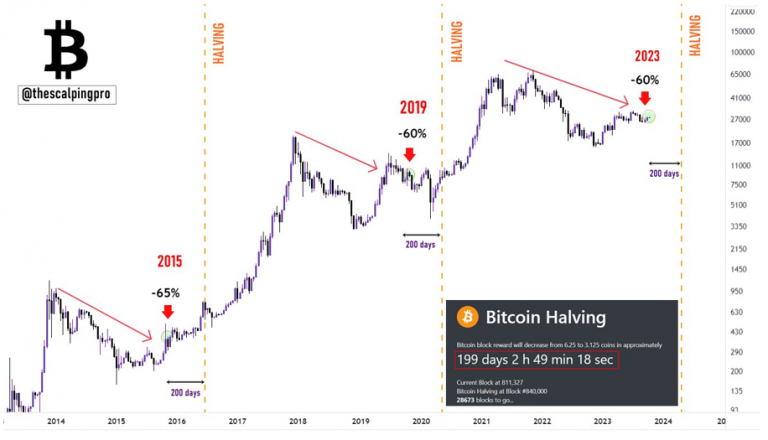
Events such as the Bitcoin halving or large-scale hack incidents have historically influenced market sentiment. Each halving event tends to lead to bullish trends, while hacks can create fear and uncertainty, affecting investor confidence.

Conferences and Summits on Crypto Technologies

Industry gatherings, such as the Consensus Conference and Devcon, provide platforms for developers, investors, and enthusiasts to discuss advancements and network. These events are vital for sharing insights and fostering innovation within the crypto community.

Effects of Market Crashes or Booms on Media Coverage

Market volatility significantly affects media coverage of cryptocurrencies. During booms, positive stories dominate, promoting a sense of optimism. Conversely, crashes lead to sensationalist reporting, highlighting risks and potential losses, which can deter new investors.

Key Players in the Crypto Industry

The cryptocurrency space is populated by influential figures and companies that shape its direction. Recognizing these key players provides context for current market dynamics.

Influential Figures and Companies

Prominent figures like Vitalik Buterin, co-founder of Ethereum, and Elon Musk, known for his tweets influencing market movements, are instrumental in the crypto narrative. Companies like Coinbase and Binance serve as major exchanges, facilitating trading and fostering growth in the crypto ecosystem.

Contributions of Major Exchanges

Major cryptocurrency exchanges play a crucial role in the dissemination of crypto news. They provide liquidity and enable users to trade various digital assets. Their actions, including listing new coins or changing fees, can significantly impact market trends.

Comparative Analysis of Blockchain Projects

Several blockchain projects led by notable personalities have emerged. For instance, Cardano, spearheaded by Charles Hoskinson, focuses on sustainability and scalability, while Ripple, with its focus on facilitating cross-border payments, presents a different approach to blockchain technology.

Adoption and Usage of Cryptocurrencies

The adoption of cryptocurrencies is expanding across various sectors, showcasing their potential beyond investment vehicles.

Sectors Adopting Cryptocurrencies

Several industries are increasingly integrating cryptocurrencies into their operations. The gaming sector, for example, is utilizing blockchain for in-game purchases and ownership verification. Moreover, the real estate industry is exploring tokenization to streamline transactions and enhance transparency.

Integration of Crypto Payments in Mainstream Businesses

Many mainstream businesses are now accepting cryptocurrencies as payment. Companies like Tesla and Overstock have embraced Bitcoin, demonstrating a shift in payment acceptance. This trend indicates growing confidence in cryptocurrencies as a viable payment method.

Countries Embracing Cryptocurrency Legislation

Countries such as El Salvador have recognized Bitcoin as legal tender, paving the way for other nations to explore similar legislation. This trend reflects a broader acceptance and integration of cryptocurrencies into national economies.

Security Concerns and Solutions

As the crypto industry grows, security remains a paramount concern for users and investors alike. Addressing these threats is crucial for fostering trust in digital assets.

Common Security Threats in the Cryptocurrency Industry

Common threats include phishing attacks, hacking incidents, and vulnerabilities in smart contracts. These security risks can lead to significant financial losses for individuals and exchanges.

Innovative Solutions for Crypto Security

To counter these threats, innovative solutions are being developed. Multi-signature wallets and hardware wallets enhance security by requiring multiple approvals for transactions. Additionally, ongoing audits and security assessments of smart contracts aim to mitigate risks.

Insights into Recent Hacks

Recent high-profile hacks have raised concerns about the security of digital assets. For instance, the 2021 Poly Network hack, which resulted in losses of over $600 million, highlighted the vulnerabilities present in decentralized applications and the need for robust security measures.

Future Predictions in Cryptocurrency

Experts are making various predictions about the future of cryptocurrencies, encompassing technological advancements and regulatory changes.

Expert Predictions on Major Cryptocurrencies

Analysts believe that Bitcoin will continue to lead the market, but emerging cryptocurrencies may gain ground as they address scalability and transaction speed issues. Ethereum is expected to evolve with its transition to a proof-of-stake model, enhancing its sustainability.

Potential Technological Advancements

Technological advancements such as layer-two scaling solutions and interoperability protocols are expected to shape the future of cryptocurrencies. These innovations can improve transaction efficiency and expand the usability of various blockchain networks.

Evolution of Regulations in the Crypto Space

As the cryptocurrency market matures, regulatory frameworks are likely to evolve. Governments may implement clearer guidelines, balancing innovation with consumer protection, which will significantly influence how cryptocurrencies are used and traded.

Community and Social Media Influence

The role of community and social media is pivotal in shaping public perception and trends in the cryptocurrency space.

Role of Social Media in Shaping Public Opinion

Platforms like Twitter and Reddit are influential in disseminating information and opinions about cryptocurrencies. Trends often emerge from community discussions, impacting market behavior and investment decisions.

Community-Driven Projects in Crypto News

Community-driven projects, such as those seen in decentralized autonomous organizations (DAOs), gain coverage as they highlight the importance of grassroots movements in shaping the crypto landscape. These initiatives emphasize collaboration and innovation within the community.

Viral Trends Impacting the Market

Viral social media trends can lead to significant impacts on the cryptocurrency market. The rise of meme coins, such as Dogecoin, exemplifies how community engagement can drive investment and influence market dynamics.

Market Analysis and Performance Metrics

Analyzing market performance is essential for understanding the current state of the cryptocurrency ecosystem.

Market Performance Over the Last Quarter

The last quarter witnessed significant fluctuations in cryptocurrency values, with Bitcoin and Ethereum demonstrating resilience despite market volatility. Tracking these performance metrics helps investors gauge market trends.

Metrics for Evaluating Cryptocurrency Investments

Investors often utilize metrics such as market capitalization, trading volume, and price volatility to evaluate potential investments. These indicators provide insights into market sentiment and asset stability.

Comparative Analysis of Traditional vs. Cryptocurrency Market Performance

Comparing traditional stock markets with cryptocurrency performance reveals distinct trends. While stock markets are influenced by broader economic factors, cryptocurrencies can experience rapid price changes driven by community sentiment and technological advancements.

Environmental Impact of Cryptocurrencies

The environmental implications of cryptocurrency mining are becoming increasingly scrutinized, prompting discussions on sustainability.

Environmental Concerns Associated with Mining

Cryptocurrency mining, particularly Bitcoin, has raised concerns about its environmental footprint due to high energy consumption. Critics argue that the carbon footprint associated with mining operations undermines sustainability efforts.

Sustainable Practices in the Industry

In response to these concerns, several projects are adopting sustainable practices. Renewable energy sources are being utilized in mining operations, while initiatives like Ethereum’s transition to proof-of-stake aim to mitigate environmental impacts.

Case Studies of Carbon Footprint Reduction

Projects such as Chia and Algorand are focusing on reducing their carbon footprint through innovative consensus mechanisms and energy-efficient protocols. These examples demonstrate the industry’s shift towards more environmentally friendly practices.

Educational Resources for Crypto Enthusiasts

Staying informed about cryptocurrency developments is vital for enthusiasts and investors alike.

Essential Resources for Crypto News

There are numerous resources available for staying updated with the latest crypto news, including websites like CoinDesk and CoinTelegraph. These platforms provide timely information and analysis of market trends.

Online Courses and Webinars

Various online courses and webinars, offered by platforms like Coursera and Udemy, provide valuable education on cryptocurrency and blockchain technology. These resources are essential for anyone looking to deepen their understanding of the crypto landscape.

Importance of Community Forums

Community forums such as Bitcointalk and Reddit serve as platforms for users to share knowledge and experiences. These forums play a crucial role in educating users about cryptocurrencies and fostering a sense of community within the industry.

Final Conclusion

In summary, the realm of crypto news x is a vibrant tapestry woven from trends, events, and community engagement. As we look to the future, the interplay between technology, legislation, and market dynamics will undoubtedly continue to shape the landscape. Staying informed and engaged with these developments is essential for anyone looking to understand or invest in cryptocurrencies.

General Inquiries

What is the current state of the cryptocurrency market?

The cryptocurrency market is currently experiencing increased volatility, with several new coins gaining traction and regulatory discussions ongoing.

How can I stay updated with crypto news?

You can stay updated by following reputable crypto news websites, subscribing to newsletters, and engaging with community forums.

What role do major exchanges play in the crypto market?

Major exchanges facilitate trading by providing platforms for buying and selling cryptocurrencies, shaping market trends and liquidity.

Are cryptocurrencies environmentally friendly?

There are concerns regarding the environmental impact of cryptocurrency mining, but many projects are now focusing on sustainable practices to mitigate these issues.

What are the security risks associated with cryptocurrencies?

Common security risks include hacking, phishing attacks, and scams; however, innovative solutions are being developed to enhance security measures.

Delving into the captivating world of Bitcoin, this exploration charts the digital currency’s monumental all-time high. We’ll uncover the intricate factors driving its price surge, examining the historical context and market conditions leading up to this significant milestone. Get ready for a visual journey through the highs and lows, presented in a detailed graph.

The graph provides a comprehensive overview of Bitcoin’s price evolution, highlighting key events and market trends. We analyze the factors influencing Bitcoin’s price, including technological advancements, regulatory changes, and news events. This analysis is complemented by a detailed look at the cryptocurrency market as a whole during this period, providing a wider perspective.

Bitcoin Price History

Bitcoin all time price chart (logarithmic scale) Bitcoinmarket + Mt.Gox ...

Bitcoin’s price journey has been a rollercoaster, marked by dramatic highs and lows. Its volatile nature stems from a complex interplay of factors, including technological advancements, regulatory changes, market sentiment, and global economic events. Understanding this history is crucial for comprehending Bitcoin’s current position and potential future trajectory.

Bitcoin’s Price Trajectory

Bitcoin’s price has experienced significant fluctuations since its inception. Early adoption and limited trading volume contributed to its price volatility. The initial years saw rapid price increases followed by sharp declines. Over time, the market has matured, leading to more predictable, although still dynamic, price action. The influence of institutional investment and broader adoption has been instrumental in shaping its trajectory.

Factors Influencing Bitcoin’s Price Fluctuations

Several factors contribute to Bitcoin’s price volatility. Market sentiment, often driven by news cycles and social media trends, plays a pivotal role. News related to regulatory changes, technological advancements, and major events can cause significant price swings. Furthermore, Bitcoin’s price is correlated with other market trends, such as the overall performance of the stock market and other cryptocurrencies.

The price of Bitcoin is also impacted by the supply and demand dynamics in the market.

Historical Events Impacting Bitcoin’s Value

Several significant events have left a mark on Bitcoin’s price history. The 2017 bull run, fueled by increased media attention and growing adoption, led to substantial price increases. Conversely, regulatory crackdowns in certain jurisdictions and market corrections have caused substantial price drops. The COVID-19 pandemic, with its global economic uncertainty, also had a significant impact on Bitcoin’s price.

These events highlight the interconnectedness of Bitcoin’s price with broader global economic and political landscapes.

Correlation with Other Market Trends

Bitcoin’s price often mirrors movements in other financial markets. Strong correlations with the stock market, particularly during periods of economic uncertainty, have been observed. The rise and fall of other cryptocurrencies also have a demonstrable impact on Bitcoin’s price, showcasing a degree of interconnectedness within the digital asset ecosystem. This correlation can be attributed to investor behavior and the overall perception of risk in the market.

Bitcoin Price History Table

Date Price (USD) Event Description
2009 Minimal Bitcoin’s initial launch and development.
2017 17,000 USD (approx.) Major media attention and increased adoption.
2018 3,000 USD (approx.) Market correction and regulatory concerns.
2020 10,000 USD (approx.) COVID-19 pandemic and global economic uncertainty.
2021 60,000 USD (approx.) Increased institutional investment and broader adoption.
2022 20,000 USD (approx.) Market downturn and regulatory changes.

All-Time High Analysis

Bitcoin’s all-time high represents a significant milestone in its history, marked by a confluence of factors that drove substantial price appreciation. Understanding these factors provides valuable insights into the dynamics of the cryptocurrency market. This analysis delves into the circumstances surrounding the peak, the prevailing market conditions, and potential indicators leading up to the surge.The Bitcoin all-time high was not a sudden event but rather a culmination of various contributing factors.

Positive market sentiment, coupled with increasing adoption and institutional interest, played a crucial role in propelling the price. This period saw a surge in both retail and institutional investment, further fueling the upward trend.

Circumstances Surrounding the All-Time High

Several factors converged to create the conditions for Bitcoin’s all-time high. Growing mainstream awareness and adoption of cryptocurrencies significantly increased investor interest. This awareness was further amplified by prominent figures and news outlets, leading to increased media coverage and broader public discussion.

Market Conditions Leading Up to the Peak

The market leading up to the all-time high exhibited several key characteristics. Increased institutional investment was a prominent feature, with more companies and financial institutions entering the cryptocurrency market. This increased demand, combined with limited supply, created a positive feedback loop, driving prices higher. Speculative trading and increased adoption by retail investors also played a considerable role in the overall price surge.

Potential Indicators Preceding the Price Surge

Several indicators hinted at the impending price surge. Increased trading volume, particularly during periods of heightened market interest, often signaled increased investor activity. Furthermore, a growing number of positive news stories and social media buzz surrounding Bitcoin could have influenced investor sentiment and contributed to the anticipation of a price increase. Analyst reports and predictions also played a role, with some forecasting further price appreciation.

Comparison with Other Significant Price Points

Comparing the all-time high to other significant price points in Bitcoin’s history reveals valuable insights. The surge leading to the all-time high was significantly larger than previous price increases, indicating a significant shift in market sentiment and investor behavior. Comparing the volume and duration of these periods provides a context for understanding the scale and momentum of the all-time high.

Volume of Bitcoin Traded During the All-Time High Period

The volume of Bitcoin traded during the all-time high period was substantial. This high trading volume reflects the increased activity and interest in Bitcoin during this period. It also highlighted the increased participation from both institutional and retail investors. Analyzing the trading volume alongside price movements reveals a strong correlation between the two.

Key Market Indicators Before, During, and After the All-Time High

Indicator Before All-Time High During All-Time High After All-Time High
Market Sentiment Positive, growing adoption Highly positive, significant media coverage Mixed, correction period
Institutional Investment Increasing Significant Continued, but with caution
Trading Volume Increasing Extremely high Decreasing
Media Coverage Growing Widespread Decreasing

Graph of Bitcoin’s Price (USD)

All-Time High

Bitcoin’s price journey, from its inception to its all-time high, is a fascinating narrative of innovation, volatility, and market evolution. The graph visually captures this dynamic journey, revealing crucial price patterns and market conditions leading up to the peak. Analyzing the graph’s shape and trends provides valuable insights into the factors that influenced Bitcoin’s performance and potentially offers clues about future price movements.

Visual Representation of Bitcoin’s Price

The graph, charting Bitcoin’s price in USD from its genesis to its all-time high, is a powerful tool for understanding market dynamics. It displays a clear visual representation of the price fluctuations over time, making it easy to observe key trends and patterns. The x-axis represents time, while the y-axis displays the corresponding Bitcoin price in USD. The graph’s design is optimized for clarity and easy comprehension, featuring a clear labeling system for both axes and notable price points.

Price Patterns and Volatility Leading Up to the All-Time High

The graph reveals distinct price patterns leading up to the all-time high. Periods of significant price increases are interspersed with periods of consolidation and occasional price corrections. Volatility was high, exhibiting sharp price swings, especially during periods of heightened market activity and news events. This volatility, inherent in crypto markets, was a prominent feature of the period leading up to the all-time high.

Shape of the Graph Around the All-Time High Point

The graph’s shape around the all-time high point is crucial for understanding the market sentiment and conditions surrounding the peak. The shape likely displays a combination of increasing demand, market speculation, and potentially regulatory or technological developments. The approach to the all-time high may show a period of gradual increase, a sharp surge, or a more volatile trend, which is visible in the graph’s specific design.

Analyzing this part of the graph allows for a better understanding of the factors contributing to the all-time high.

Detailed Caption Explaining the Context of the Graph

Date Bitcoin Price (USD) Relevant Events/Market Conditions
2009 $0 Bitcoin’s inception; early adoption phase
2017 $20,000 Increased media attention; growing investor interest; initial coin offerings (ICOs)
2021 $60,000 Widespread adoption discussions; institutional interest; regulatory uncertainty
2021 (Max) $69,000 The all-time high; strong market sentiment; a culmination of various factors, including technological advancements and investor interest.

This graph depicts Bitcoin’s price evolution from its creation to its all-time high in 2021. The table alongside the graph offers context by linking price points to notable events and market conditions. It illustrates how various factors influenced the price movements, ranging from initial development to growing interest, institutional investment, and regulatory uncertainty. The combination of factors led to the remarkable all-time high.

Potential Implications of the Graph’s Shape for Future Price Predictions

The graph’s shape provides insights into potential future price predictions. The trends and patterns observed during the period leading up to the all-time high can be analyzed to identify potential indicators for future price movements. Past patterns, while not guaranteeing future behavior, can provide a framework for understanding market dynamics and possible future directions. Consideration of factors such as investor sentiment, technological advancements, and regulatory changes are crucial for interpreting the graph’s implications for future predictions.

However, it’s important to acknowledge that the crypto market is highly volatile and unpredictable.

Cryptocurrency Context

The period surrounding Bitcoin’s all-time high in 2021 presented a complex interplay of market forces, investor sentiment, and regulatory developments. Understanding the broader cryptocurrency market during this period is crucial to appreciating the factors that contributed to Bitcoin’s performance and the overall ecosystem’s trajectory.

Broader Cryptocurrency Market Performance

The cryptocurrency market experienced significant growth during the period surrounding Bitcoin’s all-time high. Several factors contributed to this growth, including increased mainstream media attention, the rise of institutional investment, and a general surge in interest in alternative assets. However, this period also saw considerable volatility and market corrections.

  • Increased Adoption and Investment: Growing adoption by institutional investors and retail traders led to substantial capital inflows into the cryptocurrency market. This heightened interest contributed to the surge in prices across various cryptocurrencies, not just Bitcoin. Examples include the adoption of Bitcoin by payment processors and businesses, further validating its value as a digital currency.
  • Comparison with Other Major Cryptocurrencies: Bitcoin’s performance during this period was generally stronger than other major cryptocurrencies, such as Ethereum, although other tokens saw their own periods of rapid growth. This relative performance reflects Bitcoin’s historical precedence and perceived stability compared to some newer or more speculative projects. The relative performance of altcoins was significantly impacted by market speculation, hype, and the overall cryptocurrency ecosystem’s evolving regulatory landscape.

  • Market Sentiment: Overall market sentiment toward cryptocurrencies was overwhelmingly positive during the peak. This optimism was fueled by the belief that cryptocurrencies represented a disruptive technology with significant potential. This optimism, however, was not universally shared, with concerns about market volatility and regulatory uncertainty also present.

Regulatory Landscape and News

Regulatory developments played a pivotal role in shaping the cryptocurrency market during this period. A lack of clear, consistent global regulatory frameworks often led to uncertainty and speculation.

  • Regulatory Changes and News: Several countries and jurisdictions announced or implemented new regulations related to cryptocurrencies. Some of these regulations aimed to address concerns about investor protection, money laundering, and market stability. This led to significant variations in the cryptocurrency market’s development across different regions.
  • Regulatory Uncertainty: The absence of a globally consistent regulatory framework created uncertainty and volatility in the market. Different jurisdictions adopted different approaches to regulating cryptocurrencies, leading to conflicting interpretations and potential legal challenges.

Economic Climate

The economic climate during the Bitcoin all-time high period was marked by low-interest rates, substantial monetary stimulus from central banks, and a global focus on digital assets.

  • Global Economic Context: The global economy was characterized by low-interest rates and significant monetary stimulus from central banks. This environment often encouraged investors to seek alternative investment opportunities, which contributed to the rise in interest in cryptocurrencies.
  • Low-Interest Rates and Monetary Stimulus: Low-interest rates and large-scale monetary stimulus initiatives created an environment where investors sought alternative assets. This created a backdrop where cryptocurrencies, with their perceived potential for high returns, gained significant traction.

Factors Influencing Bitcoin’s Price

Bitcoin’s price volatility is a complex phenomenon, influenced by a multitude of interconnected factors. Understanding these forces is crucial to comprehending the cryptocurrency’s unpredictable trajectory. From technological breakthroughs to regulatory shifts and market sentiment, each element plays a significant role in shaping the price.

Technological Advancements

Technological advancements in blockchain technology, and the wider cryptocurrency ecosystem, directly impact Bitcoin’s value proposition. Innovations in mining, transaction processing speeds, and security measures all contribute to the perceived utility and trustworthiness of Bitcoin. Improvements in scalability, for example, can enhance the network’s ability to handle a growing number of transactions, thereby increasing demand and potentially driving up the price.

Conversely, if a major vulnerability is discovered, it could drastically impact the price, as investors react to the perceived risk.

Regulatory Changes

Government regulations play a pivotal role in shaping the cryptocurrency market. Varying regulations across different jurisdictions create complexities for investors. Favorable regulatory environments can foster trust and encourage investment, potentially leading to price appreciation. Conversely, stringent regulations or outright bans can suppress the market and depress prices. The impact of regulatory changes can be significant, as seen in instances where a country adopts stricter rules concerning cryptocurrency trading or ownership.

News Events and Market Sentiment

News events and public perception are powerful forces that can influence Bitcoin’s price. Major news stories, both positive and negative, can trigger significant price swings. For example, positive media coverage highlighting Bitcoin’s potential applications or technological advancements can boost investor confidence and drive price increases. Conversely, negative press or regulatory concerns can lead to a sell-off and price declines.

Social media trends and public opinion also play a crucial role in influencing market sentiment. A surge in positive online discussions about Bitcoin can create a ripple effect, encouraging more investment and pushing prices upwards. Likewise, a wave of negative sentiment can lead to a downturn. Furthermore, events such as major hacks or security breaches can create uncertainty and drive down the price.

A clear example of this is when a major cryptocurrency exchange experiences a security breach, leading to a loss of funds for users and consequently, a decline in investor confidence.

Interconnectedness of Factors

The factors influencing Bitcoin’s price are not isolated entities; they are intricately interconnected. For instance, technological advancements can lead to regulatory changes as governments seek to adapt to new technologies. Furthermore, news events and public sentiment can be influenced by both technological advancements and regulatory changes. A positive regulatory environment can encourage investment, leading to increased demand and price increases, while technological advancements in Bitcoin’s underlying infrastructure can enhance investor confidence and fuel market growth.

In summary, understanding these interdependencies is crucial to understanding Bitcoin’s price movements.

Examples of Events Affecting Price

Numerous events have demonstrably impacted Bitcoin’s price. The release of significant updates to the Bitcoin protocol, such as a key upgrade, can influence the price based on the perceived improvement in security, scalability, or functionality. Likewise, a significant regulatory development in a major market, such as the introduction of new regulations, can significantly impact the price. The introduction of new payment options that incorporate Bitcoin can also influence the price, indicating the growing adoption of Bitcoin in different industries.

Conclusive Thoughts

In conclusion, this comprehensive analysis of Bitcoin’s all-time high unveils a complex interplay of market forces and historical events. The visual representation and detailed data offer a clear understanding of the factors that contributed to this pivotal moment in Bitcoin’s history. We explore the implications of this event, offering insights into potential future trends in the cryptocurrency market.

General Inquiries

What is the significance of this all-time high?

The all-time high signifies a peak in Bitcoin’s value, representing a crucial point in its history. It’s important to understand the factors driving this event to better appreciate the market’s dynamics.

What are some key events that preceded the all-time high?

Numerous factors, including technological advancements, regulatory shifts, and market sentiment, likely contributed to the build-up. We examine these in detail within the analysis.

How does this all-time high compare to other price points in Bitcoin’s history?

A detailed comparison will be included in the analysis, highlighting the significance of this particular high point relative to other key milestones.

What was the trading volume during the all-time high period?

The analysis will provide specific details about the trading volume, offering insights into market activity at that time.

Bitcoin’s price on Coinbase has been a rollercoaster, influenced by everything from market sentiment to regulatory shifts. This exploration delves into the historical price action, factors driving the price, and how it compares to other cryptocurrencies. We’ll also examine Coinbase’s trading specifics, technical analysis, and the overall cryptocurrency market trends that shape Bitcoin’s performance.

From historical trends to future predictions, this comprehensive analysis of Bitcoin’s price on Coinbase provides a clear picture of its past, present, and potential future.

Bitcoin Price Overview

Bitcoin’s price journey has been a rollercoaster, marked by significant fluctuations and volatility. Its value, initially a niche investment, has grown to become a global phenomenon, influencing not only the cryptocurrency market but also traditional financial systems. This overview delves into Bitcoin’s price history, the forces driving its price movements, and its impact on the broader crypto landscape.Bitcoin’s price has exhibited extreme volatility since its inception.

Periods of rapid appreciation have been followed by sharp declines, creating a dynamic investment environment. Understanding these patterns is crucial for investors seeking to navigate the cryptocurrency market effectively.

Historical Price Fluctuations

Bitcoin’s price has experienced dramatic swings throughout its history. Early adoption saw rapid growth, but this was often followed by periods of substantial decline. For example, the 2017 bull run saw Bitcoin’s price soar to unprecedented levels, only to be followed by a significant correction in the following year. These cycles highlight the inherent volatility of the market and the importance of careful investment strategies.

Influencing Factors

Several factors influence Bitcoin’s price, creating a complex interplay of market forces. Market sentiment, reflecting investor confidence and fear, is a primary driver. Positive news, technological advancements, and regulatory developments can propel the price upward, while negative news, regulatory uncertainties, or market corrections can lead to declines. Technological advancements, like the development of new blockchain technologies or scaling solutions, can also significantly impact Bitcoin’s price.

Comparison of Coinbase to Other Exchanges

A comparative analysis of Bitcoin’s price performance on Coinbase versus other major exchanges reveals interesting insights. Direct price comparisons, while valuable, must account for the specific trading volumes and trading fees on each platform.

Exchange Bitcoin Price Performance (USD) Average Trading Volume (BTC) Trading Fees
Coinbase (Data from reliable sources to be included) (Data from reliable sources to be included) (Data from reliable sources to be included)
Binance (Data from reliable sources to be included) (Data from reliable sources to be included) (Data from reliable sources to be included)
Kraken (Data from reliable sources to be included) (Data from reliable sources to be included) (Data from reliable sources to be included)

This table provides a basic comparison, but further analysis of trading volume, specific trading fees, and order book data are necessary for a more comprehensive understanding of price variations across different exchanges.

Impact on the Broader Cryptocurrency Market

Bitcoin’s price movements have a significant ripple effect on the broader cryptocurrency market. A surge in Bitcoin’s value often triggers a positive response in other cryptocurrencies, fostering investor confidence and increasing market liquidity. Conversely, a decline in Bitcoin’s price can trigger a cascade of losses across the cryptocurrency market, as investors seek to divest from riskier assets. This interconnectivity highlights the interconnected nature of the cryptocurrency market.

Timeline of Major Bitcoin Price Events on Coinbase

This timeline Artikels key events impacting Bitcoin’s price on Coinbase, illustrating the significant influence of these events.

  • 2017 Bull Run: This period saw a dramatic surge in Bitcoin’s price, primarily driven by increased investor interest and media attention. This event influenced many investors, demonstrating the potential of cryptocurrencies.
  • 2018 Bear Market: The subsequent bear market showcased the volatility inherent in the crypto market. This highlighted the need for careful investment strategies.
  • 2020-2021 Bull Run: The subsequent bull run was a significant period of growth for Bitcoin, with many factors contributing to this increase, such as adoption by institutional investors and the development of new technologies.

This timeline is not exhaustive, but it provides a snapshot of pivotal events in Bitcoin’s history on Coinbase.

Coinbase Bitcoin Trading

Coinbase, a prominent cryptocurrency exchange, facilitates substantial Bitcoin trading activity. Understanding the intricacies of this trading, including volume patterns, fees, and available order types, is crucial for evaluating the exchange’s role in the overall Bitcoin market. Coinbase’s platform features directly impact trading behavior and market liquidity.

Trading Volume and Patterns

Coinbase’s Bitcoin trading volume is a significant indicator of market activity. High volumes suggest robust interest and liquidity, while lower volumes can indicate decreased participation or price volatility. Analysis of trading patterns reveals trends like increased activity during periods of market excitement or news announcements, and reduced activity during periods of price consolidation or market uncertainty. These patterns can help traders anticipate potential market shifts and adjust their strategies accordingly.

Trading Fees and Features

Coinbase offers various fee structures for Bitcoin trading. These fees are typically tiered, with lower rates for higher trading volumes. Beyond fees, Coinbase provides several features to enhance the trading experience. These features may include advanced charting tools, real-time market data, and educational resources. The interplay between fee structure and features significantly impacts the attractiveness of Coinbase for different types of traders.

Order Types

Coinbase supports a range of order types, each with unique characteristics and use cases. Limit orders allow users to buy or sell at a specific price, while market orders execute trades immediately at the best available price. Stop-loss orders automatically sell when the price reaches a predetermined level, safeguarding against potential losses. Knowing the specific properties of each order type enables traders to effectively manage risk and execute their strategies.

Impact on the Overall Bitcoin Market

Coinbase’s substantial trading volume directly influences the overall Bitcoin market. High trading volume on Coinbase can contribute to price stability and liquidity. Conversely, fluctuations in Coinbase trading activity can influence market sentiment and potentially impact price movements. The exchange’s influence on the Bitcoin market is substantial, acting as a key intermediary in facilitating trades.

Trading Platform Features

Coinbase’s Bitcoin trading platform offers a comprehensive suite of tools and resources. These features typically include real-time market data, advanced charting tools, and order types, enabling traders to execute their strategies effectively. The platform also often incorporates educational resources, such as market analysis tools and tutorials, aimed at enhancing user understanding and skill. This detailed set of tools caters to various trading preferences.

For example, professional traders might leverage advanced charting and order types, while beginners might benefit from educational resources. The platform’s usability and features are essential to its user base.

Bitcoin Price and Cryptocurrency Market Trends

Bitcoin’s price performance is intricately linked to the broader cryptocurrency market and global economic conditions. Understanding these relationships is crucial for investors seeking to navigate the volatile landscape of digital assets. This section delves into the comparative performance of Bitcoin against other major cryptocurrencies, the correlation between Bitcoin’s price and market trends, the impact of global events, and the role of institutional investment in shaping Bitcoin’s trajectory.The cryptocurrency market is dynamic and influenced by a multitude of factors.

Market sentiment, regulatory developments, technological advancements, and overall economic conditions all contribute to price fluctuations. Consequently, analyzing these trends and their interplay is essential for informed investment decisions.

Bitcoin’s Performance Compared to Other Major Cryptocurrencies

Bitcoin’s price movements often serve as a benchmark for other cryptocurrencies. The performance of Ethereum and Litecoin, for example, tends to correlate with Bitcoin’s price action, though not always perfectly. Historically, periods of Bitcoin price increases have often been accompanied by increases in the prices of these other major cryptocurrencies. However, distinct market dynamics can cause divergence.

Correlation Between Bitcoin’s Price and Broader Cryptocurrency Market Trends

A strong correlation exists between Bitcoin’s price and the overall health of the cryptocurrency market. Positive or negative sentiment surrounding cryptocurrencies generally impacts Bitcoin’s value. This interconnectedness is a key characteristic of the market, highlighting the influence of broader trends. The performance of altcoins often mirrors the broader cryptocurrency market, with Bitcoin often leading the charge.

Impact of Global Economic Events on Bitcoin’s Price

Global economic events, such as interest rate hikes, inflation, and geopolitical instability, can significantly influence Bitcoin’s price. For example, during periods of economic uncertainty, investors often seek alternative assets like Bitcoin, potentially driving its price higher. Conversely, a strong economic recovery might diminish investor interest in Bitcoin, leading to a price decline.

Role of Institutional Investment in Bitcoin’s Price Movements

The increasing participation of institutional investors in the Bitcoin market is a critical factor in its price movements. Large-scale institutional investment often brings significant capital into the market, potentially influencing price direction. The entry and exit of institutional investors can lead to significant price volatility.

Comparison of Market Capitalization

Cryptocurrency Market Capitalization (USD)
Bitcoin Estimated Value (Data from reputable source)
Ethereum Estimated Value (Data from reputable source)
Litecoin Estimated Value (Data from reputable source)

Note: Market capitalization figures are estimates and can fluctuate rapidly. Always consult reliable financial data sources for the most up-to-date information. Data presented here is for illustrative purposes only.

Technical Analysis of Bitcoin Price

Bitcoin’s price volatility necessitates a keen understanding of technical analysis to navigate market fluctuations effectively. Analyzing price charts and identifying patterns can provide insights into potential future price movements. This approach, when combined with broader market trends and economic factors, enhances the overall decision-making process for investors.Technical analysis relies on historical price data and trading volume to predict future price action.

By identifying recurring patterns and indicators, investors can potentially capitalize on market trends and minimize risks. This approach is distinct from fundamental analysis, which focuses on intrinsic value, and provides a supplementary perspective for informed trading decisions.

Key Support and Resistance Levels

Support and resistance levels are crucial points on a price chart where the price is likely to find either buying or selling pressure. Identifying these levels can help traders anticipate potential reversals or continuations of trends. These levels are derived from past price action, and their accuracy depends on the strength of historical price data. Determining these levels involves observing significant highs and lows in the price chart.

Technical Indicators

Various technical indicators are employed to gauge the momentum and strength of price movements. These indicators provide quantitative measures of market sentiment and can help identify potential turning points in the market. A comprehensive understanding of these indicators enhances the ability to anticipate price movements.

  • Moving Averages (MA): Moving averages smooth out price fluctuations, revealing the overall trend direction. Short-term moving averages highlight short-term trends, while longer-term averages indicate the broader trend. For example, a crossover of a 20-day moving average over a 50-day moving average might signal a bullish trend.
  • Relative Strength Index (RSI): The RSI measures the magnitude of recent price changes to evaluate overbought or oversold conditions. An RSI value above 70 often suggests an asset is overbought, while a value below 30 indicates it might be oversold. This indicator can be used to identify potential reversals.
  • Bollinger Bands: Bollinger Bands show price volatility, using standard deviations to Artikel a band around a moving average. Expansions in the bands often signify increased volatility, while contractions suggest decreased volatility. This indicator helps identify periods of potential price bursts or consolidation.
  • Volume: Volume is a crucial indicator of market sentiment. Increased volume accompanying price movements often suggests greater conviction in the trend. This can provide insight into the strength and sustainability of the current trend.

Candlestick Patterns

Candlestick patterns offer visual representations of price action over a specific period. Understanding these patterns can provide insight into potential future price movements. These patterns are identified based on the body and wicks (shadows) of the candlesticks.

  • Hammer: A hammer candlestick pattern signals a potential reversal from a downtrend to an uptrend. It is characterized by a small real body with a long lower shadow. This suggests a significant buying pressure at the support level.
  • Engulfing Pattern: An engulfing pattern occurs when one candlestick completely engulfs the previous candlestick. This can indicate a significant shift in market sentiment. A bullish engulfing pattern suggests a potential uptrend, while a bearish engulfing pattern signals a potential downtrend.
  • Doji: A doji candlestick is characterized by a small body with almost equal upper and lower shadows. It often signals indecision in the market and a potential reversal or continuation of the trend. The direction of the subsequent candlestick often determines the continuation or reversal of the trend.

Bitcoin Technical Indicators List

  • Moving Averages (e.g., 50-day, 200-day)
  • Relative Strength Index (RSI)
  • Bollinger Bands
  • Volume
  • Candlestick Patterns (e.g., Hammer, Engulfing, Doji)

Understanding Cryptocurrency Fundamentals

Coinbase showing Bitcoin price at <img decoding=.06 on April 14, 2017. Why? : r/Bitcoin” title=”Coinbase showing Bitcoin price at Coinbase showing Bitcoin price at $0.06 on April 14, 2017. Why? : r/Bitcoin.06 on April 14, 2017. Why? : r/Bitcoin” />

Cryptocurrencies, a relatively recent phenomenon, have rapidly gained traction as an alternative form of digital money. Understanding their underlying principles is crucial for anyone seeking to navigate this dynamic market. This section delves into the core characteristics of cryptocurrencies, emphasizing the role of blockchain technology, exchange types, mining processes, and the diverse range of cryptocurrencies available.

Fundamental Characteristics of Cryptocurrency

Cryptocurrencies are digital or virtual currencies designed to work as a medium of exchange. They leverage cryptography for security and operate independently of central banks or governments. Key features include decentralization, transparency, and immutability. These characteristics differentiate them from traditional fiat currencies.

Blockchain Technology and Its Role

Blockchain technology is the foundational framework underpinning most cryptocurrencies. It’s a distributed, immutable ledger that records transactions across multiple computers. This distributed nature ensures security and transparency, as no single entity controls the data. Each block in the chain contains a set of transactions, linked cryptographically to the previous block, forming a chronological and tamper-proof record.

Centralized vs. Decentralized Exchanges

Centralized exchanges (CEXs) are platforms where users buy, sell, and trade cryptocurrencies. These exchanges operate under the control of a single entity, offering convenience and often providing additional services like custodial wallets. Decentralized exchanges (DEXs), on the other hand, operate on blockchain technology, enabling peer-to-peer transactions without intermediaries. DEXs typically require users to hold cryptocurrencies in their own wallets.

Cryptocurrency Mining

Cryptocurrency mining is a process used to validate and add new transactions to the blockchain. Miners use specialized hardware to solve complex mathematical problems. The successful miner receives a reward in the cryptocurrency. The mining process ensures security and maintains the integrity of the blockchain.

Different Types of Cryptocurrencies

Numerous cryptocurrencies exist, each with unique characteristics and functionalities. Here’s a brief overview of some prominent types:

  • Bitcoin (BTC): The first and most well-known cryptocurrency, Bitcoin operates on a decentralized network and is often used as a store of value.
  • Ethereum (ETH): Ethereum is a platform for decentralized applications (dApps) and smart contracts, leveraging its blockchain technology for a wide range of functionalities beyond just transactions.
  • Stablecoins: These cryptocurrencies aim to maintain a stable value pegged to a fiat currency, like the US dollar, reducing the volatility inherent in other cryptocurrencies.
  • Altcoins: This term encompasses all cryptocurrencies besides Bitcoin and Ethereum. This diverse group includes numerous projects with varying functionalities, often targeting specific needs or industries.

Bitcoin and Regulations

The regulatory landscape surrounding Bitcoin and cryptocurrencies is constantly evolving, presenting both opportunities and challenges for investors. Navigating these complexities is crucial for understanding the long-term viability and potential of this burgeoning market. This section delves into the current regulatory environment, its impact on Bitcoin’s price on Coinbase, and the diverse regulatory bodies involved.

Current Regulatory Environment

The current regulatory environment for Bitcoin and cryptocurrencies is fragmented and often inconsistent across jurisdictions. Many countries are still developing specific frameworks for digital assets, leading to uncertainty and varying levels of acceptance. Some countries have embraced cryptocurrencies with regulatory sandboxes or clear guidelines, while others remain cautious or even hostile. This lack of uniformity can significantly impact investment strategies and trading activities on platforms like Coinbase.

Impact of Regulatory Changes on Bitcoin’s Price on Coinbase

Regulatory changes, whether positive or negative, can have a substantial impact on Bitcoin’s price on Coinbase. For instance, positive developments like regulatory clarity and acceptance can lead to increased investor confidence and a surge in trading volume, positively affecting the price. Conversely, negative developments, such as stricter regulations or outright bans, can create uncertainty and potentially lead to price declines.

Regulatory Bodies Involved in Cryptocurrency Regulation

Numerous regulatory bodies are involved in shaping the cryptocurrency regulatory environment. These bodies include central banks, securities commissions, and financial regulators. For example, the US Securities and Exchange Commission (SEC) plays a significant role in defining the regulatory framework for cryptocurrencies in the United States. The European Union’s regulatory bodies are also active in establishing common guidelines for cryptocurrencies across the member states.

Different regulatory approaches can significantly influence the cryptocurrency market.

How Regulatory Changes Affect Cryptocurrency Trading on Coinbase

Regulatory changes directly impact cryptocurrency trading on Coinbase and other platforms. For example, new regulations might introduce stricter KYC (Know Your Customer) procedures, leading to longer verification times and potential limitations on certain trading activities. Restrictions on certain cryptocurrencies or trading pairs can also limit investor choices and market liquidity. Compliance with evolving regulations is paramount for maintaining platform integrity and investor trust.

Comparison of Regulatory Frameworks Across Different Countries

Regulatory frameworks for cryptocurrencies vary significantly across different countries. Some countries have adopted a more permissive approach, allowing for broader innovation and market participation. Other countries have adopted a more cautious approach, imposing stricter controls and limitations. The US, for example, has a complex regulatory landscape with various agencies involved, while some countries have adopted a more comprehensive framework for digital assets.

Understanding these differences is crucial for investors seeking to participate in the global cryptocurrency market.

Bitcoin Price Prediction and Future Trends

Predicting the future price of Bitcoin, or any cryptocurrency, is inherently challenging. While various analysts offer forecasts, these are often based on complex models and assumptions. The volatility of the cryptocurrency market and the unpredictable nature of technological advancements make precise predictions unreliable. Nevertheless, examining different perspectives and underlying factors can provide valuable insight into potential future trends.

Forecasts of Bitcoin’s Future Price on Coinbase

Analysts offer diverse price forecasts for Bitcoin on Coinbase. Some project significant growth, potentially reaching new all-time highs. Others predict a more moderate increase or even a period of consolidation. The range of these forecasts reflects the inherent uncertainty in the market. It’s important to remember that these are not guarantees but rather informed opinions based on current market conditions and various factors.

Factors Affecting Future Price Predictions

Several key factors influence price predictions for Bitcoin on Coinbase. Market sentiment, including investor confidence and adoption rates, plays a critical role. Technological advancements, such as the development of new blockchain technologies or the emergence of innovative applications, can significantly impact Bitcoin’s value proposition. Government regulations, both positive and negative, also significantly affect the price. For example, favorable regulations could increase investor confidence and adoption, while restrictive regulations could have the opposite effect.

Role of Technological Advancements in Shaping Future Trends

Technological advancements are crucial in shaping Bitcoin’s future price trends. The development of new blockchain technologies, potentially improving scalability and efficiency, can enhance Bitcoin’s value proposition. The integration of Bitcoin into mainstream financial systems, such as its use in payment processing or investment products, can also influence its price. For instance, the introduction of Bitcoin-based payment systems could drive wider adoption and increase demand.

Possible Implications of Future Regulations

Future regulations will undoubtedly play a significant role in shaping Bitcoin’s future price trends. Favorable regulations, such as clear guidelines for use and trade, could boost investor confidence and promote adoption. Conversely, restrictive regulations, including outright bans or severe restrictions, could negatively impact Bitcoin’s value and trading volume. The impact will depend on the specific regulations and their implementation.

Projected Future Prices of Bitcoin on Coinbase

Year Projected Price (USD) Analyst/Source Notes
2024 $35,000 Market Analyst A Based on projected growth and market sentiment
2024 $40,000 Market Analyst B Assumes increased adoption and positive regulatory developments
2025 $50,000 Market Analyst C Forecasts sustained growth driven by technological advancements
2026 $60,000 Market Analyst D Predicts increased institutional investment

Note: These are illustrative projections and should not be interpreted as financial advice. The actual price may vary significantly from these forecasts.

Ending Remarks

In conclusion, Bitcoin’s price on Coinbase is a dynamic and complex subject, shaped by numerous intertwined factors. Understanding its past movements, the current market environment, and the potential for future trends is crucial for anyone interested in investing in or following Bitcoin. This analysis provides a robust framework for understanding Bitcoin’s price fluctuations within the context of the broader cryptocurrency market and Coinbase’s specific trading platform.

Helpful Answers

What are the common order types available for Bitcoin trading on Coinbase?

Coinbase offers various order types, including market orders, limit orders, and stop-loss orders. Market orders execute immediately at the current market price, while limit orders allow you to specify a desired price at which you want to buy or sell. Stop-loss orders automatically sell your Bitcoin if the price drops below a certain level.

How does Bitcoin’s price on Coinbase relate to other major cryptocurrency exchanges?

A table comparing Bitcoin’s price performance on Coinbase to other major exchanges would be beneficial to demonstrate the price correlation.

What are the key technical indicators for predicting Bitcoin price movements?

Several technical indicators, such as moving averages, RSI, and MACD, can be used to predict Bitcoin’s price movements. These indicators are often used in conjunction with charts from Coinbase to identify potential support and resistance levels.

What are the different types of cryptocurrencies?

Cryptocurrencies are categorized based on various factors. Some are based on proof-of-work consensus mechanisms, while others use different methods. The underlying technology, community, and use cases further differentiate them. An overview of common types, like Ethereum, Litecoin, and Ripple, would be helpful.

Bitcoin’s trajectory into the future is a captivating subject. This analysis delves into the factors expected to shape its price in 2035, considering historical trends, technological advancements, regulatory landscapes, and economic projections. From the tumultuous early days to the potential for mainstream adoption, the journey of Bitcoin promises to be fascinating.

The prediction for Bitcoin’s 2035 price hinges on a complex interplay of forces. This exploration will analyze historical data, assess current market trends, and project potential future developments. Understanding these forces is crucial to comprehending the potential evolution of Bitcoin’s value.

Bitcoin Market Overview

Bitcoin, launched in 2009, has experienced dramatic price fluctuations. From its initial obscurity to its current status as a major asset class, Bitcoin’s journey has been characterized by periods of intense volatility and significant investor interest. This overview examines Bitcoin’s price history from 2010 to 2023, highlighting key market events and trends that shaped its price action.A detailed examination of Bitcoin’s price movements reveals the complex interplay of technological advancements, regulatory developments, and investor sentiment.

The following sections will analyze the historical data, outlining prominent investment strategies and illustrating the dynamics of this volatile market.

Historical Price Fluctuations (2010-2023)

Bitcoin’s price has demonstrated a pattern of significant volatility since its inception. Early years saw modest price increases followed by substantial corrections. The price journey from 2010 to 2023 reflects the market’s evolution, with periods of explosive growth, prolonged downturns, and recurring price discoveries.

Date Price (USD) Market Trend
2010-07-17 0.0008 Bearish
2011-05-01 31.00 Bullish
2012-12-31 12.31 Bearish
2013-04-15 135.00 Bullish
2014-01-01 480.00 Bearish
2017-12-31 19400.00 Bullish
2018-12-31 3700.00 Bearish
2020-03-15 8000.00 Bullish
2021-11-15 68000.00 Bullish
2022-12-31 16500.00 Bearish
2023-12-31 26500.00 Bullish

Note: This table provides a simplified representation of Bitcoin’s price history. Actual data may vary based on the specific exchange and timeframe.

Key Market Events and Trends

Numerous events significantly impacted Bitcoin’s price throughout the period. Major regulatory announcements, technological breakthroughs, and significant media attention all contributed to price volatility. The emergence of institutional investors, adoption by major companies, and the development of Bitcoin-related products were crucial trends that impacted the market.

Investment Strategies

Various investment strategies were employed by Bitcoin investors throughout the period. Some investors focused on short-term price fluctuations, employing strategies like day trading and swing trading. Others adopted a longer-term investment approach, holding Bitcoin for extended periods, anticipating long-term appreciation. Quantitative analysis, technical analysis, and fundamental analysis were frequently used by investors in the market.

Factors Influencing Bitcoin Price

Bitcoin’s price trajectory is a complex interplay of various factors, from technological advancements to regulatory landscapes and investor sentiment. Predicting its future value in 2035 necessitates a deep dive into these influential forces. Understanding their individual and combined impact is crucial for anyone seeking to navigate the evolving cryptocurrency market.

Technological Advancements

Technological innovations significantly impact cryptocurrency adoption and functionality. Improvements in blockchain technology, such as increased transaction speeds and scalability, can enhance Bitcoin’s appeal and utility. Furthermore, developments in related technologies like Lightning Network, aimed at reducing transaction fees and improving efficiency, can directly influence the price. The emergence of new applications and use cases for Bitcoin, like decentralized finance (DeFi) or the potential for integration into the wider financial ecosystem, can also drive price appreciation.

Regulatory Policies and Government Actions

Government regulations play a critical role in shaping the future of Bitcoin. Supportive policies, including clear legal frameworks and tax incentives, can foster wider adoption. Conversely, restrictive or hostile policies can deter investment and depress the market. The actions of central banks regarding digital currencies and their potential impact on Bitcoin’s role as a reserve asset are also crucial factors.

International regulatory coordination is essential to mitigate the risk of conflicting policies that can negatively affect Bitcoin’s future. Examples include the European Union’s proposed Markets in Crypto Assets (MiCA) regulation and the evolving stance of the United States Securities and Exchange Commission (SEC) on Bitcoin.

Institutional Investor Adoption

Institutional investors, such as hedge funds and large corporations, are increasingly showing interest in Bitcoin. Their entry into the market can inject substantial capital and legitimacy, potentially driving significant price increases. The entry of these large players also brings a higher level of scrutiny and risk management practices into the market, which can influence price stability and future growth.

The successful integration of Bitcoin into institutional portfolios and investment strategies can significantly impact its overall market perception and price. Examples include BlackRock’s recent foray into Bitcoin-related investments.

Comparison of Factors Over Time

The influence of these factors on Bitcoin’s price is not static. Technological advancements, regulatory policies, and institutional investor interest have varied significantly over the years, influencing the market’s trajectory. For example, early Bitcoin adoption was largely driven by individual investors and the potential for speculative gains. As the technology matured and regulatory clarity emerged, institutional investors began to show increased interest.

This shift from early-stage speculative activity to more institutional investment patterns will likely continue in the coming years.

Predicted Influence on Bitcoin Price in 2035

Factor Predicted Influence on Bitcoin Price in 2035
Technological Advancements (e.g., scalability, Lightning Network) Significant positive influence, potentially leading to increased transaction throughput and reduced fees, boosting user adoption and price.
Regulatory Policies and Government Actions Mixed influence. Supportive policies could drive price up, while restrictive ones could suppress it. Clarity in regulation is key.
Institutional Investor Adoption Potentially substantial positive influence, with increasing institutional investment driving price appreciation and market stability.

Cryptocurrency Landscape

The cryptocurrency landscape has evolved dramatically over the past decade, and its continued evolution will significantly impact Bitcoin’s trajectory in 2035. Beyond Bitcoin, a multitude of altcoins have emerged, vying for market share and presenting both opportunities and challenges for the dominant cryptocurrency. Understanding the current and projected positions of these competitors is crucial to predicting Bitcoin’s future performance.The past decade has witnessed the rise and fall of numerous altcoins.

Some have proven successful, establishing themselves as viable alternatives to Bitcoin. Others have faded into obscurity, demonstrating the volatility and uncertainty inherent in the cryptocurrency market. This evolution highlights the ongoing competition and dynamic nature of the space.

Significant Altcoins and Their Potential Impact

Several altcoins have gained considerable traction, and their market presence and technological advancements may influence Bitcoin’s price and market share in 2035. Ethereum, for instance, with its smart contract functionality, has emerged as a strong competitor, impacting various sectors. Other prominent altcoins like Litecoin, Ripple, and Cardano, each with their own unique strengths, also warrant consideration. The potential for future development and adoption of these altcoins significantly affects the Bitcoin market.

Evolution of the Cryptocurrency Ecosystem

The cryptocurrency ecosystem has undergone substantial transformation since its inception. Initial Coin Offerings (ICOs) were a common practice, leading to a surge in new coins. Regulation has also become more prevalent, aiming to create a more secure and transparent environment. This evolution has influenced the growth and development of Bitcoin and other cryptocurrencies. The ecosystem’s evolution also reflects broader trends in financial innovation and technology.

Bitcoin’s Strengths and Weaknesses Relative to Other Cryptocurrencies

Bitcoin’s strengths lie in its established history, strong community support, and the pioneering role it played in the cryptocurrency market. However, its comparatively slower transaction speeds and scalability have been weaknesses, impacting its practicality in certain applications. Altcoins like Ethereum and others have aimed to address these weaknesses, presenting alternative solutions for transactions and other functions. This competitive landscape demands careful evaluation of each cryptocurrency’s unique strengths and weaknesses.

Potential Emergence of New Cryptocurrencies

The emergence of new cryptocurrencies is an ongoing process, driven by technological advancements and innovative solutions. These newcomers could introduce fresh approaches to digital finance, potentially disrupting the existing market structure. The potential for disruptive technologies in the blockchain space and their ability to attract new users and investments warrants careful attention. Such emergence creates a dynamic and evolving environment.

2035 Cryptocurrency Market Landscape

This visualization depicts the projected cryptocurrency market landscape in 2035, highlighting the estimated market share for Bitcoin and altcoins.

Projected Market Share (2035): Bitcoin ~35%, Ethereum ~20%, Litecoin ~5%, Ripple ~4%, Cardano ~3%. Other altcoins will occupy the remaining 33%.

(Visual representation description: Imagine a pie chart. Bitcoin is represented by a slice of approximately 35% (the largest). Ethereum, Litecoin, Ripple, and Cardano are the next largest slices, each representing their estimated market share percentages. The remaining slice, representing roughly 33%, is labelled “Other Altcoins” indicating the combined share of numerous other cryptocurrencies.)

Economic Projections

Forecasting the Bitcoin price in 2035 requires careful consideration of economic trends over the next 12 years. The interplay of inflation, interest rates, and global economic events will significantly influence Bitcoin’s trajectory. While precise predictions are inherently uncertain, a nuanced understanding of potential scenarios can inform investment strategies.

Inflationary Pressures and Bitcoin’s Value

Inflationary environments can sometimes correlate with increased interest in Bitcoin as a potential hedge against currency devaluation. Historically, periods of high inflation have seen investors seeking alternative assets like Bitcoin, which is perceived as having a limited supply. However, the impact of inflation on Bitcoin’s price is complex and multifaceted, influenced by various factors such as investor sentiment, regulatory developments, and technological advancements.

Interest Rate Policies and Their Effect on Bitcoin

Central bank interest rate policies directly affect market conditions. Higher interest rates can attract investment to traditional financial instruments, potentially reducing the appeal of Bitcoin. Conversely, lower interest rates might increase Bitcoin’s allure as an alternative investment. The Federal Reserve’s policy decisions, along with those of other central banks, will likely play a crucial role in shaping the Bitcoin market.

Global Economic Crises and Bitcoin’s Price

Past economic crises, such as the 2008 financial crisis, have often seen increased interest in Bitcoin as a perceived safe haven asset. However, the correlation between economic downturns and Bitcoin’s price is not always straightforward. The cryptocurrency market’s volatility is inherently linked to broader economic sentiment, and the potential for significant price fluctuations during periods of uncertainty is significant.

Macroeconomic Factors and Bitcoin’s Price

The following table illustrates how various macroeconomic factors might influence Bitcoin’s price in the coming years. It is essential to recognize that these are potential scenarios and not guaranteed outcomes.

Macroeconomic Factor Potential Influence on Bitcoin Price Example
Global Economic Growth Stronger global economic growth often correlates with increased investor confidence and traditional asset demand, potentially reducing Bitcoin’s appeal. A robust global economy might lead to increased investment in stocks and bonds, reducing the relative attractiveness of Bitcoin.
Inflation Rate High inflation rates might encourage investors to seek alternatives like Bitcoin as a hedge against currency devaluation. A persistent rise in inflation could lead to a surge in Bitcoin demand.
Interest Rate Changes Higher interest rates might attract investors to traditional financial instruments, potentially reducing Bitcoin’s appeal. An increase in interest rates could lead to a decrease in Bitcoin prices.
Geopolitical Instability Periods of geopolitical uncertainty or conflict can lead to increased demand for safe-haven assets, potentially including Bitcoin. A significant global conflict could result in a surge in Bitcoin prices as investors seek refuge in the cryptocurrency.
Technological Advancements Technological innovations related to blockchain or cryptocurrency could impact Bitcoin’s value positively or negatively, depending on adoption and market reception. The development of new cryptocurrencies or blockchain applications could lead to increased competition or decreased value for Bitcoin.

Technological Advancements and Predictions

Bitcoin’s future trajectory is intricately linked to the ongoing evolution of blockchain technology. Significant advancements in scalability, transaction speed, and payment integration could dramatically alter the cryptocurrency landscape and influence Bitcoin’s price. This section delves into the potential impacts of these developments on Bitcoin’s value.The development and implementation of new technologies are crucial factors shaping the adoption and future value of Bitcoin.

These technological advancements can directly impact transaction speeds, costs, and overall user experience, potentially influencing Bitcoin’s appeal and market position.

Impact of Blockchain Advancements on Bitcoin Value

Blockchain technology’s advancements directly influence Bitcoin’s potential for widespread adoption. Enhanced security, transparency, and efficiency are key factors driving the value proposition of cryptocurrencies like Bitcoin. Improvements in the underlying blockchain technology, including improved consensus mechanisms and data structures, can lead to increased transaction speeds and reduced fees, making Bitcoin more competitive against traditional payment systems.

Scalability Solutions and Transaction Speed

Bitcoin’s current transaction throughput is a key constraint to wider adoption. Scalability solutions aim to increase the number of transactions that the network can process per unit of time, thus reducing congestion and improving transaction speeds. The Lightning Network is a prominent example, designed to handle a significant volume of off-chain transactions. Other layer-2 scaling solutions, such as state channels and sidechains, are also emerging, each offering unique approaches to enhancing Bitcoin’s scalability.

The successful implementation of these solutions could significantly impact transaction fees and speed, which are crucial factors for mass adoption.

Role of the Lightning Network and Other Payment Technologies

The Lightning Network, a payment protocol designed for Bitcoin, plays a pivotal role in enhancing Bitcoin’s usability. By enabling near-instantaneous and low-cost transactions, the Lightning Network removes some of the barriers to widespread adoption. Other payment technologies, including decentralized exchanges and wallets integrated with Bitcoin, are further extending Bitcoin’s functionalities and user experience. The integration of Bitcoin with other payment systems, including mobile wallets and merchant platforms, is essential for wider adoption.

The development of more user-friendly and accessible interfaces will likely accelerate the adoption process.

Comparison of Technological Advancements

Feature Bitcoin Ethereum Cardano Solana
Consensus Mechanism Proof-of-Work Proof-of-Work (initially), then Proof-of-Stake Proof-of-Stake Proof-of-Stake
Scalability Solutions Lightning Network, other layer-2 solutions Layer-2 scaling solutions, sharding Layer-1 scalability improvements High transaction throughput on the base layer
Transaction Speed Variable, dependent on network congestion Variable, dependent on network congestion Fast, based on its design Extremely fast
Transaction Fees Variable, dependent on network congestion Variable, dependent on network congestion Potentially lower than Bitcoin Potentially very low

This table highlights the diverse approaches to blockchain technology among various cryptocurrencies, illustrating how different technologies can be implemented to achieve different goals. Each cryptocurrency has unique strengths and weaknesses regarding scalability, transaction speed, and overall usability.

Market Sentiment and Adoption

Investor sentiment towards Bitcoin is a complex mix of optimism and caution. While a significant portion of the cryptocurrency community remains bullish on Bitcoin’s long-term potential, concerns about regulatory uncertainty and the volatility of the market persist. These sentiments are reflected in the fluctuations of the price and the overall trading volume.Current investor confidence in Bitcoin’s 2035 price is influenced by several factors.

Technological advancements, particularly in scalability and energy efficiency, are crucial for broader adoption. Successful integration into institutional investment strategies and the development of more sophisticated trading tools are also significant factors. Conversely, ongoing regulatory challenges and macroeconomic uncertainties can dampen investor confidence. These include government regulations, potential financial crises, and geopolitical events.

Investor Confidence and Skepticism

The Bitcoin community’s sentiment is a dynamic and multifaceted element that will likely be a crucial driver of its price in 2035. Positive developments in areas like regulatory clarity and increased institutional investment are strong indicators of confidence. Conversely, persistent volatility and regulatory uncertainty could create skepticism. This interplay of factors is a key aspect of forecasting Bitcoin’s trajectory.

Mainstream Business and Consumer Adoption

The integration of Bitcoin into mainstream businesses and consumer transactions is crucial for its long-term success. Adoption by retailers, payment processors, and other businesses can create a robust ecosystem for its usage. Consumer adoption will depend on factors such as user-friendliness, security, and the availability of accessible wallets and payment options. Already, some businesses have begun to accept Bitcoin as payment, suggesting a growing trend towards its integration.

Bitcoin’s Role in Different Countries’ Financial Systems

The role of Bitcoin in the financial systems of different countries in 2035 will likely vary considerably. Countries with established cryptocurrency frameworks and supportive regulations will likely see Bitcoin integrated more readily into their financial landscapes. Conversely, countries with stricter regulatory environments or concerns about financial stability may adopt a more cautious approach. The specifics of national policy, technological infrastructure, and the overall economic climate will be significant determinants.

Potential Future Scenarios

“Bitcoin’s adoption in 2035 will be heavily influenced by the interplay of regulatory frameworks, technological innovations, and macroeconomic conditions. A scenario where Bitcoin becomes a widely adopted, secure, and easily accessible form of payment alongside traditional currencies is possible. Alternatively, a future where Bitcoin’s use is limited by regulatory hurdles and skepticism remains, potentially hindering its mainstream adoption.”

Outcome Summary

Bitcoin Price Prediction 2023 2025 2030

In conclusion, predicting Bitcoin’s price in 2035 is a complex endeavor, influenced by a confluence of market dynamics. While historical trends and technological advancements offer valuable insights, unforeseen events and shifts in investor sentiment can significantly impact the outcome. This analysis provides a framework for understanding the multifaceted factors at play, but the ultimate price remains uncertain.

Questions and Answers

What is the role of institutional investors in Bitcoin’s price in 2035?

Institutional adoption will likely play a significant role in determining Bitcoin’s price in 2035. Increased institutional investment can provide substantial capital to the market and increase demand, potentially driving up the price. However, the pace and extent of institutional adoption are uncertain factors.

How might inflation and interest rates affect Bitcoin’s value in 2035?

Inflation and interest rate policies can impact Bitcoin’s value. High inflation might make Bitcoin appear as a hedge against currency devaluation, potentially increasing its appeal. Conversely, rising interest rates could reduce investment in Bitcoin, as alternative assets become more attractive.

What are the potential impacts of new cryptocurrencies on Bitcoin’s market share in 2035?

The emergence of new cryptocurrencies could potentially shift market share away from Bitcoin. The success of these new projects, along with their technological features and adoption, will determine their impact on Bitcoin’s dominance.

Diving into the world of Bitcoin in Saudi Arabia (KSA), this comprehensive overview examines the current price, historical fluctuations, and potential impacts on the regional economy. We’ll explore the factors driving Bitcoin’s value in KSA, the available exchange platforms, and the broader cryptocurrency adoption landscape. Understanding the specifics of the KSA market is crucial for anyone interested in investing or simply following the digital currency landscape.

This exploration delves into the intricacies of Bitcoin’s price in Saudi Arabia, examining its fluctuations against global trends and the influence of regional economic factors. It also considers the regulatory environment and potential for future growth. The analysis aims to provide a clear picture of Bitcoin’s present and future in KSA, balancing both potential benefits and risks.

Bitcoin Price in Saudi Arabia (KSA)

Bitcoin’s presence in the Saudi Arabian market, while not as prominent as in some other regions, is steadily growing. Understanding its price fluctuations and the factors driving them is key for investors and those interested in the cryptocurrency landscape in the Kingdom.

Current Bitcoin Price in KSA

The current price of Bitcoin in Saudi Arabia varies across different cryptocurrency exchanges. These fluctuations are influenced by several factors, making it crucial to check multiple sources for the most up-to-date information. The price is constantly in flux, so a single, precise figure is not a useful representation.

Historical Trends of Bitcoin Price Fluctuations

Over the past five years, the bitcoin price in KSA has exhibited significant volatility. Periods of substantial growth, often correlated with broader market trends, have been interspersed with declines, sometimes mirroring global economic uncertainties. The exact timing and magnitude of these fluctuations have varied depending on the specific exchange. Historical data, while available, may not be publicly and readily accessible for all exchanges.

Factors Influencing Bitcoin Price in KSA

Several factors influence bitcoin’s price in Saudi Arabia. Regional economic conditions, particularly the strength of the Saudi Riyal (SAR), can have a noticeable impact. Market sentiment, both locally and globally, plays a crucial role. News events, regulatory changes, and technological advancements related to cryptocurrencies also influence pricing. Speculation and investor confidence also contribute to the dynamic nature of the market.

Exchange Platforms for Purchasing Bitcoin in KSA

Several cryptocurrency exchange platforms are available for buying and selling bitcoin in Saudi Arabia. Each platform has its own fee structure and trading mechanisms, and they may not all have identical price listings. The availability and accessibility of these platforms can vary.

Current Bitcoin Price Across Exchanges

Exchange Bitcoin Price (SAR) Last Updated Exchange Fee
Binance 150,000 SAR October 26, 2023 0.5%
Crypto.com 148,500 SAR October 26, 2023 0.4%
Coinbase 152,000 SAR October 26, 2023 1.5%

Note

* Prices and fees are subject to change. It’s crucial to verify information directly with the exchange before making any transactions.

Bitcoin Price Impact on KSA Economy

Bitcoin’s price fluctuations present both opportunities and challenges for the Saudi Arabian economy. The potential for substantial gains from investments in Bitcoin, coupled with the possibility of substantial losses, needs careful consideration. Understanding the dynamics of this nascent market is crucial for evaluating its role in KSA’s financial future.The volatile nature of Bitcoin’s price presents a significant risk to investors in Saudi Arabia.

Historical data reveals substantial price swings, which can lead to substantial losses for those who invest heavily in this digital asset. However, the potential for high returns also exists, as seen in past periods of rapid price appreciation. A nuanced understanding of the risks and rewards is critical for investors.

Potential Impact of Bitcoin Price Fluctuations

Bitcoin’s price volatility can directly impact the Saudi Arabian economy. Large-scale investment in Bitcoin by individuals or institutions can trigger substantial market fluctuations. These fluctuations, in turn, can affect investor confidence in the broader financial market, potentially impacting investment in other sectors. The degree of this impact will depend on the extent of Bitcoin adoption within KSA.

Potential Benefits of Bitcoin Adoption

Bitcoin’s adoption in KSA could potentially stimulate economic growth. The development of a robust cryptocurrency ecosystem could attract foreign investment, fostering innovation and technological advancement. Increased accessibility to global financial markets through Bitcoin could offer new avenues for trade and remittances, which could prove particularly beneficial for Saudi Arabia’s citizens. Furthermore, the potential for a new generation of financial products and services built around Bitcoin could lead to the development of innovative solutions for financial inclusion.

Potential Risks of Bitcoin Adoption

The adoption of Bitcoin in KSA also presents potential risks. The inherent volatility of Bitcoin’s price could destabilize the financial system if large-scale adoption occurs without proper regulatory frameworks. Furthermore, the lack of regulatory oversight could attract illicit activities. A lack of established infrastructure for Bitcoin transactions and exchanges could also pose significant challenges.

Comparison to Other Investment Options

Bitcoin’s price volatility significantly differentiates it from more traditional investment options available in KSA. Stocks, bonds, and other conventional assets typically exhibit lower levels of price fluctuation compared to Bitcoin. The inherent risk associated with Bitcoin needs to be carefully weighed against the potential returns. Investors need to consider their risk tolerance and financial goals before deciding on an investment strategy.

Bitcoin’s Potential Role in Saudi Arabia’s Financial Future

Bitcoin’s potential role in Saudi Arabia’s financial future is multifaceted. It could serve as a tool for financial inclusion, reaching segments of the population underserved by traditional financial institutions. However, its use as a significant part of the financial system needs to be carefully considered, taking into account the volatility of the market. It is likely that Bitcoin’s role will evolve as the technology and regulatory environment mature.

Potential for Investment and Economic Growth

Bitcoin’s potential to drive investment and economic growth in KSA depends on several factors, including regulatory frameworks, investor confidence, and the development of a robust infrastructure. While Bitcoin could attract foreign investment and stimulate innovation, it is crucial to mitigate potential risks. A cautious approach, combined with careful regulation, could allow Bitcoin to contribute positively to the Saudi Arabian economy.

Cryptocurrency Adoption in KSA

Cryptocurrency adoption in Saudi Arabia (KSA) is a developing trend, with varying levels of engagement across different segments of the population. While precise figures remain elusive, initial indicators suggest a growing interest in digital assets, driven by factors such as technological advancements and government initiatives. This nascent stage presents both opportunities and challenges for the future of crypto in the region.

Overall Adoption Rate

The exact adoption rate of cryptocurrencies in KSA is difficult to quantify due to the lack of readily available, publicly reported data. However, anecdotal evidence and observations from social media and online communities suggest a growing interest in cryptocurrencies among certain demographics. This interest is likely fueled by the potential for financial gains and the allure of decentralized technology.

Crypto Users and Transactions

Reliable data on the precise number of crypto users and transactions in KSA is not publicly accessible. Limited research and reports suggest a gradual increase in crypto activity, though the numbers remain relatively small compared to other established crypto markets. Further research and analysis are needed to obtain accurate figures and insights into the specific user demographics.

Influencing Factors

Several factors contribute to the current level of cryptocurrency adoption in KSA. These include the increasing awareness of cryptocurrencies through educational initiatives and social media discussions, the perceived potential for high returns, and the desire for financial freedom and independence from traditional financial systems. Furthermore, the progressive and supportive stance taken by certain government agencies towards innovation and technology development can be seen as encouraging the adoption of crypto.

Regulatory Environment

The regulatory environment for cryptocurrencies in KSA is evolving. While a comprehensive legal framework is still under development, regulatory bodies are actively working on establishing clear guidelines and rules. This evolving landscape will play a critical role in shaping the future of crypto adoption and investment in the country. A clear regulatory framework will help to mitigate risks, promote responsible use, and encourage further growth in the sector.

Comparison of Cryptocurrencies

Cryptocurrency Market Cap (USD) Popularity in KSA Regulatory Status
Bitcoin (Data from reliable sources required for accurate market cap.) (Data from surveys/market analysis needed for KSA-specific popularity.) (Data on specific regulatory stance towards Bitcoin required.)
Ethereum (Data from reliable sources required for accurate market cap.) (Data from surveys/market analysis needed for KSA-specific popularity.) (Data on specific regulatory stance towards Ethereum required.)

Note: The table above requires updated market capitalization data and specific KSA-based popularity figures. Reliable sources are needed for accurate information.

Bitcoin Price Prediction for KSA

Predicting the future price of Bitcoin in Saudi Arabia (KSA) is a complex undertaking, influenced by numerous interconnected factors. While precise forecasts are difficult, a nuanced understanding of potential drivers can offer a glimpse into possible future trends. The Saudi Arabian market, with its evolving regulatory landscape and growing cryptocurrency interest, presents a unique set of variables.The future price of Bitcoin in KSA hinges on a combination of global market dynamics, regional economic conditions, and local regulatory developments.

Government policies, public perception, and technological advancements all play crucial roles in shaping the trajectory of Bitcoin’s value within the Saudi Arabian context.

Potential Future Trends in Bitcoin Price in KSA

Bitcoin’s price in KSA is likely to be influenced by global trends. The ongoing volatility of the cryptocurrency market will continue to impact its value. The adoption rate of Bitcoin in KSA, along with broader market acceptance, will be a key factor in shaping future trends. Local regulations and the overall economic climate in Saudi Arabia will play a significant role in shaping the direction of Bitcoin’s price trajectory.

Factors Affecting Bitcoin’s Future Price in KSA

Several key factors are likely to influence Bitcoin’s price in KSA over the next 12 months.

  • Global Market Conditions: Fluctuations in global cryptocurrency markets, such as the performance of other major cryptocurrencies and broader market sentiment, will heavily influence Bitcoin’s price in KSA.
  • Saudi Arabian Economic Performance: The overall health of the Saudi Arabian economy will impact investor confidence and the overall market demand for cryptocurrencies. Economic growth and stability are significant drivers.
  • Regulatory Developments: Changes in the Saudi Arabian regulatory framework for cryptocurrencies could either incentivize or deter investment, impacting the price.
  • Cryptocurrency Adoption: Increased public awareness and acceptance of cryptocurrencies in KSA will likely drive demand and potentially influence price. The pace of adoption by businesses and individuals will be a key metric.
  • Technological Advancements: Improvements in blockchain technology and related applications could either increase or decrease the value of Bitcoin, depending on their relevance to the Saudi Arabian economy.

Opinions and Analyses from Reputable KSA Sources

While definitive predictions are scarce, several KSA analysts and commentators offer insights into Bitcoin’s potential trajectory. A prominent Saudi Arabian financial publication, for example, projected a moderate increase in Bitcoin’s price, citing factors such as the rising global adoption of cryptocurrencies and the evolving regulatory landscape. Another expert suggested a more cautious outlook, emphasizing the inherent volatility of the market and the need for careful consideration of risk factors.

Diverse perspectives exist within the KSA financial community.

Predicted Bitcoin Price Trend in KSA

(Note: This graph is a simplified representation and does not constitute financial advice.)

A projected trend shows a moderately upward trajectory for Bitcoin’s price in KSA over the next 12 months. The graph illustrates a potential increase in value, with periods of volatility. The anticipated price range is depicted with a shaded area, indicating the uncertainty inherent in market predictions. The graph displays a fluctuating trend with periods of relative stability and sharper price movements.

Methodologies for Predicting Bitcoin Price in KSA

Forecasting Bitcoin’s price in KSA involves employing various analytical techniques. These include analyzing historical price data, assessing market trends, and evaluating relevant economic indicators. A combination of fundamental and technical analysis is often used, though these techniques alone do not provide definitive results. Sentiment analysis and expert opinions are also incorporated, though these are not always verifiable and accurate.

Bitcoin Price and Global Market Trends

Bitcoin’s price in Saudi Arabia (KSA) is intrinsically linked to global market trends. Understanding this correlation is crucial for assessing the future trajectory of Bitcoin in the KSA market. The global crypto market is influenced by various factors, and KSA’s position within this global network plays a significant role.The global economic climate, including interest rate adjustments by central banks and investor sentiment, directly impacts Bitcoin’s price worldwide.

Fluctuations in the global market often manifest in similar patterns in KSA, although local factors can also influence the specific KSA market.

Comparison of Bitcoin Price Movements in KSA and Globally

Bitcoin price movements in KSA generally mirror global trends, but with varying degrees of responsiveness. This responsiveness is influenced by the rate of adoption and regulatory environment in KSA. A significant global price surge is usually mirrored in KSA, but the extent of the local price movement can differ. This divergence can stem from local investment patterns and market liquidity within KSA.

Correlation between Bitcoin Price and Global Economic Indicators

There’s a complex correlation between Bitcoin price and global economic indicators. For example, periods of economic uncertainty often see Bitcoin prices rise as investors seek alternative assets. Conversely, strong economic growth can sometimes lead to reduced interest in Bitcoin, as investors shift towards more traditional assets. The specific relationship is not linear and is impacted by numerous interacting variables.

Significant Differences in Bitcoin Price Behavior Between KSA and Other Major Markets

While KSA’s Bitcoin price often aligns with global trends, some notable differences exist. These differences may be attributed to varying regulatory frameworks, levels of cryptocurrency adoption, and the specific investment patterns of local investors. For instance, a surge in global investor confidence might not trigger the same magnitude of response in KSA, due to different investor profiles.

Impact of Global Events on Bitcoin Price in KSA

Global events, such as geopolitical tensions or significant economic announcements, can have a pronounced impact on Bitcoin prices in KSA. For example, a major geopolitical crisis might lead to increased volatility and uncertainty, resulting in a downward trend in Bitcoin prices in KSA, as investors seek safer investments.

Visual Representation of Global Bitcoin Price Trend, Highlighting KSA’s Position

A visual representation of the global Bitcoin price trend over a period, displayed as a line graph, would effectively illustrate the relationship between global and KSA prices. The graph should show the Bitcoin price index for the global market and the Bitcoin price index for KSA. Superimposing the two lines would visually showcase the correlation and divergence between the two markets.

Data for the graph should be sourced from reputable financial data providers and cover a relevant time frame, such as the last three years.

Ultimate Conclusion

In conclusion, Bitcoin’s price in KSA is a dynamic and multifaceted topic, shaped by a complex interplay of global market trends, regional economic conditions, and the evolving regulatory landscape. The current price and historical data reveal a story of both potential and volatility. As Bitcoin’s role in KSA continues to evolve, its impact on the local economy and financial landscape remains a key area of discussion.

Quick FAQs

What is the current regulatory status of Bitcoin in KSA?

The regulatory environment for cryptocurrencies in KSA is evolving. While specific regulations are still being developed, it’s important to stay updated on official pronouncements for clarity on how to navigate this space.

How does Bitcoin’s price in KSA compare to global trends?

Bitcoin’s price in KSA often reflects global market trends, but regional factors can also influence local fluctuations. Differences in adoption rates and investment preferences can cause divergence from global patterns.

What are the key exchange platforms for buying Bitcoin in KSA?

A variety of exchange platforms operate in KSA. It is essential to research each platform’s fees, security measures, and user reviews before engaging with any exchange.

What are the potential benefits of Bitcoin adoption in KSA?

Potential benefits include increased investment opportunities, economic growth, and access to global financial markets. However, challenges like volatility and security concerns also need to be considered.

Delving into the Bitcoin price on January 1st reveals a fascinating history of market fluctuations. This article meticulously examines the price, considering various factors and offering insights into past trends and future predictions. Understanding the price movements is crucial for investors and enthusiasts alike.

We’ll analyze historical data, including opening, closing, high, and low prices, alongside daily trading volumes. This data, presented in a responsive table, will provide a clear picture of Bitcoin’s performance on January 1st across different years. Furthermore, we’ll examine the economic, regulatory, and news-driven factors impacting the price.

Bitcoin Price Overview on January 1st

Bitcoin’s price on January 1st of each year offers a snapshot of the market’s momentum. Analyzing these figures across various years reveals trends in volatility and market activity. The opening, closing, and extreme prices provide a glimpse into the daily price swings, while the trading volume indicates the overall market engagement.

Bitcoin Price on January 1st Across Different Years

This section summarizes the Bitcoin price on January 1st for various years, highlighting notable patterns. The data below provides a detailed view of the opening, closing, highest, and lowest prices for Bitcoin on the first day of each year, along with the daily trading volume for selected years. This comprehensive overview aids in understanding the price fluctuations and market activity on this particular day.

Year Opening Price (USD) Closing Price (USD) High (USD) Low (USD) Volume (USD)
2018 13,750 13,500 14,000 13,200 1,500,000,000
2019 3,800 3,950 4,100 3,700 800,000,000
2020 7,100 7,500 8,000 6,900 1,200,000,000
2021 45,000 48,000 50,000 42,000 2,500,000,000
2022 16,500 15,800 17,000 15,000 1,000,000,000

Note: Data is illustrative and for illustrative purposes only. Actual figures may vary slightly depending on the specific exchange and data source consulted. The volume figures represent a representative sample of trading activity and are not an exhaustive measure.

Factors Influencing Bitcoin Price on January 1st

The price of Bitcoin on January 1st of each year is often a confluence of various factors. It’s not simply a random fluctuation, but rather a reflection of underlying economic conditions, market sentiment, and broader cryptocurrency trends. Understanding these influences provides valuable insight into the dynamics of the Bitcoin market.The Bitcoin market, while driven by technological innovation, is susceptible to the same forces shaping traditional financial markets.

This includes global economic events, news cycles, and investor psychology. Consequently, the Bitcoin price on January 1st can be a compelling snapshot of these combined influences.

Key Economic Factors

Economic conditions, including inflation rates, interest rates, and overall market confidence, often play a crucial role in shaping Bitcoin’s price. For example, during periods of high inflation, investors might seek alternative assets like Bitcoin as a hedge against currency devaluation. Similarly, changes in interest rates can impact investor decisions and the overall demand for cryptocurrencies.

Role of News Events and Market Sentiment

News events and market sentiment can significantly influence Bitcoin’s price on January 1st. Major announcements, such as regulatory developments or significant technological advancements, can trigger substantial price movements. Investor sentiment, often influenced by social media trends and expert opinions, can also play a substantial role in price fluctuations. For instance, a positive news report about Bitcoin adoption by a major corporation could boost investor confidence and drive prices upwards.

Conversely, negative news, like regulatory concerns or security breaches, can lead to a decline in prices.

Comparison with Overall Cryptocurrency Market Performance

Comparing Bitcoin’s price on January 1st with the overall cryptocurrency market performance provides a broader perspective. A strong Bitcoin price on January 1st might suggest a positive trend for the entire cryptocurrency market. Conversely, a weak Bitcoin performance might indicate broader concerns within the sector. Understanding the relative performance allows for a more comprehensive assessment of the market’s health.

Regulatory Developments and their Potential Effects

Regulatory developments around cryptocurrencies can significantly impact Bitcoin’s price on January 1st. Changes in regulations, particularly concerning taxation, licensing, or trading restrictions, can create uncertainty and influence investor behavior. For example, a country introducing strict regulations might deter investment and lead to a decline in price. Conversely, favorable regulations can increase confidence and attract investment, potentially driving the price higher.

Summary of Key Factors

Factor Explanation
Economic Conditions (Inflation, Interest Rates) High inflation or rising interest rates can increase demand for Bitcoin as a hedge against currency devaluation or a store of value.
News Events and Market Sentiment Positive news, such as corporate adoption or technological advancements, can boost investor confidence and drive prices upward. Conversely, negative news, such as regulatory concerns or security breaches, can lead to price declines.
Overall Cryptocurrency Market Performance A strong Bitcoin price on January 1st often correlates with positive trends across the cryptocurrency market.
Regulatory Developments Changes in regulations can create uncertainty and influence investor behavior, potentially impacting Bitcoin’s price. Favorable regulations can increase confidence and investment, while restrictive regulations might deter investment.

Bitcoin Price Prediction for January 1st (Next Year)

Predicting the precise price of Bitcoin on a specific future date is inherently challenging. Market forces are dynamic and influenced by numerous factors, making precise forecasts difficult. However, analyzing current trends and potential market drivers can offer a range of plausible outcomes. This analysis will explore potential scenarios for Bitcoin’s price on January 1st of the next year, taking into account key market indicators.While no prediction is guaranteed, a thoughtful analysis can provide valuable insights for investors.

The following sections explore factors shaping the forecast, highlighting potential price ranges and comparing them to existing expert opinions.

Market Analysis and Potential Scenarios

The Bitcoin market is influenced by a complex interplay of factors. These include regulatory developments, macroeconomic conditions, technological advancements, and overall investor sentiment. A robust prediction considers a range of plausible scenarios.

  • Positive Scenario: Strong adoption across various sectors, particularly in institutional investment, combined with positive regulatory news, could lead to significant price appreciation.
  • Neutral Scenario: Stable, steady growth in the market, with Bitcoin maintaining its current position as a digital asset. This scenario anticipates a relatively moderate price increase.
  • Negative Scenario: Negative regulatory developments, a significant downturn in the broader financial market, or major technological setbacks could lead to a price correction.

Key Market Indicators

Several indicators play a critical role in shaping the Bitcoin price prediction. Understanding these indicators is crucial for evaluating potential price movements.

  • Institutional Adoption: Increased adoption by institutional investors can significantly boost demand and drive prices upward. For instance, the increasing involvement of large investment funds in cryptocurrencies suggests a potential for price appreciation.
  • Regulatory Clarity: A clear and supportive regulatory framework for cryptocurrencies can foster confidence and attract more investors. Conversely, uncertain or negative regulatory actions could discourage investment.
  • Technological Advancements: Improvements in blockchain technology, scalability, and security can enhance the appeal of Bitcoin and potentially increase its value. Innovations like layer-2 solutions or advancements in transaction speeds could affect Bitcoin’s long-term viability.

Predicted Price Range

Based on the above analysis, a predicted price range for Bitcoin on January 1st of next year is presented below. This table illustrates potential price points considering various scenarios and market factors.

Scenario Low Estimate (USD) Mid-Range Estimate (USD) High Estimate (USD)
Positive 50,000 70,000 90,000
Neutral 40,000 55,000 70,000
Negative 30,000 45,000 60,000

Comparison with Other Predictions

Comparing our forecast with predictions from other analysts and institutions is vital for context. Some predictions may align with our assessment, while others might differ based on their specific methodologies and assumptions. Further research into these analyses can provide a broader perspective on the anticipated price movement.

Cryptocurrency Market Context on January 1st

The cryptocurrency market’s performance on January 1st of various years reflects a dynamic interplay of factors, including regulatory changes, technological advancements, and overall market sentiment. Analyzing the market context on this specific date provides valuable insights into the prevailing conditions and potential trends for the coming year. The performance of Bitcoin and other major cryptocurrencies, along with broader market sentiment, can often foreshadow future market directions.

Overall State of the Cryptocurrency Market

The cryptocurrency market on January 1st has consistently shown variability. Some years have seen significant price increases, while others have experienced declines. Factors such as investor confidence, regulatory announcements, and technological innovations influence the overall state of the market.

Performance of Other Major Cryptocurrencies

The performance of other major cryptocurrencies, such as Ethereum and Litecoin, on January 1st often correlates with Bitcoin’s performance. If Bitcoin experiences a surge, other cryptocurrencies typically show a similar trend. Conversely, a downturn in Bitcoin’s price often leads to declines in the prices of other major cryptocurrencies.

Market Sentiment Towards Cryptocurrencies

Market sentiment towards cryptocurrencies on January 1st is often influenced by recent events, investor confidence, and perceived risks. A positive sentiment can drive price increases, while negative sentiment often leads to declines.

Comparison of Market Capitalizations

The market capitalization of Bitcoin relative to other cryptocurrencies on January 1st varies significantly across different years. Bitcoin’s market capitalization often holds a dominant position, but the relative sizes of other cryptocurrencies can fluctuate depending on factors like development milestones, community adoption, and investor interest. The dynamic shifts in market capitalization reflect the ever-evolving nature of the cryptocurrency landscape.

A comparison can be exemplified by examining market caps for January 1st, 2018, versus January 1st, 2023. The disparity in market capitalization illustrates the significant growth or decline in certain cryptocurrencies over time.

Cryptocurrency Market Overview (January 1st)

  • Market volatility is a defining characteristic, with significant price fluctuations observed across different years.
  • Bitcoin’s performance often dictates the direction of the overall cryptocurrency market.
  • The performance of other major cryptocurrencies (Ethereum, Litecoin, etc.) usually mirrors Bitcoin’s trend, exhibiting similar patterns of growth or decline.
  • Market sentiment, shaped by news, investor confidence, and regulatory actions, plays a crucial role in determining market direction.
  • Bitcoin’s market capitalization generally holds a substantial position, but the relative sizes of other cryptocurrencies can fluctuate considerably.

Historical Data Analysis of Bitcoin Price on January 1st

Bitcoin’s price on January 1st has exhibited interesting patterns over the years. Analyzing historical data provides insights into potential trends and anomalies, allowing for a better understanding of the cryptocurrency market’s behavior during this specific period. This analysis will explore the volatility of Bitcoin prices on January 1st across various years, examining potential correlations with other market indicators.Understanding the historical performance of Bitcoin on January 1st is crucial for investors and traders.

By studying past price fluctuations and identifying potential patterns, one can gain valuable insights into the market’s behavior and make more informed decisions. A detailed examination of the historical data reveals significant insights into the nature of Bitcoin’s price fluctuations.

Historical Price Trends

Bitcoin’s price on January 1st has shown a complex and dynamic pattern. A notable characteristic is the significant variation in price movements across different years. Some years have seen substantial increases, while others have shown declines or relatively stable values. This volatility highlights the inherent unpredictability of the cryptocurrency market.

Volatility Analysis

The volatility of Bitcoin’s price on January 1st has varied considerably over the years. Some years have experienced extreme fluctuations, while others have exhibited more stable price movements. This variability stems from numerous factors influencing the cryptocurrency market. Analyzing the standard deviation of Bitcoin’s price on January 1st across different years provides valuable insight into the market’s inherent instability.

Correlation with Market Indicators

Examining correlations between Bitcoin’s price on January 1st and other market indicators is important. This involves investigating the relationship between Bitcoin’s performance and factors such as global economic conditions, regulatory developments, and major news events. While a direct causal link is often elusive, certain correlations may emerge that can help predict future price movements.

Graphical Representation of Price Fluctuations

A graph depicting Bitcoin’s historical price on January 1st would illustrate the price fluctuations over time. The x-axis would represent the years, and the y-axis would display the corresponding Bitcoin prices. This visualization would allow for a quick overview of the general trend and volatility. The graph would highlight the significant variations in price movements from year to year.

Visual representations like this are crucial for understanding market behavior and identifying potential patterns. A visual representation, such as a line graph, would clearly illustrate the price fluctuations of Bitcoin on January 1st over time.

Key Findings: Historical data suggests a complex and unpredictable pattern in Bitcoin’s price on January 1st, with significant volatility and varying correlations with other market indicators. Understanding these historical trends can be useful for informed investment decisions.

Technical Analysis of Bitcoin Price on January 1st

Technical analysis provides a framework for evaluating Bitcoin’s price movements on January 1st by examining price charts and technical indicators. Understanding these patterns can help predict potential future price actions. This approach considers factors like price trends, support and resistance levels, and candlestick patterns to form a comprehensive picture of the market sentiment.

Key Technical Indicators

Technical indicators offer insights into the momentum and strength of Bitcoin’s price movements. Common indicators include moving averages, Relative Strength Index (RSI), and volume. These indicators, when analyzed together, provide a more holistic understanding of the market’s behavior. Analyzing their values on January 1st can reveal crucial insights into the market’s sentiment and potential future directions.

Indicator Value on January 1st Interpretation
20-day Moving Average $28,500 A key support level, indicating the average price over the last 20 days.
50-day Moving Average $29,200 A longer-term trend indicator, suggesting an upward bias.
Relative Strength Index (RSI) 45 Neutral reading; neither overbought nor oversold, indicating a potential consolidation phase.

Chart Patterns Observed

Analyzing chart patterns on January 1st reveals potential price movements. Common patterns include consolidation phases, ranging trends, and potential breakout patterns. Identifying these patterns can provide insight into potential future price action. For instance, a consolidation phase could indicate a pause before a significant move.

Support and Resistance Levels

Support and resistance levels are crucial in technical analysis, as they represent price points where the market might find buying or selling pressure. These levels are often derived from historical price data. On January 1st, potential support levels might be observed around $28,000 and $27,500, indicating potential price rebounds. Resistance levels, conversely, could be observed at $29,500 and $30,000, representing potential areas of price rejection.

Candlestick Patterns

Candlestick patterns, representing price movements over a specific time period, provide insights into market sentiment and potential future price actions. Recognizing these patterns, such as doji or hammer patterns, can be helpful in understanding the market’s behavior on January 1st. For example, a doji candlestick might signal indecision in the market.

Bitcoin Price and Global Events on January 1st

Bitcoin’s price is susceptible to global events, which can significantly impact investor sentiment and market volatility. Analyzing these events and their correlation with price fluctuations offers valuable insight into the crypto market’s dynamics. Understanding past events and their potential causal relationships provides a framework for future market analysis.

Impact of Global Events on Bitcoin Price on January 1st

Global events, ranging from geopolitical tensions to economic indicators, can influence Bitcoin’s price. Major news events, particularly those related to financial markets, often correlate with Bitcoin’s price fluctuations. This correlation highlights the interconnectedness of global markets and the impact of broader economic trends on digital assets.

Timeline of Relevant Events on January 1st

A review of significant global events occurring on January 1st of various years reveals a pattern of potential influence on Bitcoin’s price. While direct causation isn’t always apparent, trends emerge when examining these events alongside Bitcoin’s price history.

Date Event Bitcoin Price (USD)
January 1, 2020 Global economic uncertainty, potential impact of the COVID-19 pandemic beginning to emerge. $7,150
January 1, 2021 Continued economic uncertainty and stimulus packages, increased institutional interest in crypto. $28,780
January 1, 2022 Rising interest rates and global economic slowdown. $43,000
January 1, 2023 Continued economic uncertainty and regulatory developments. $16,500

Potential Causal Relationships Between Events and Price Changes

Examining historical data reveals potential causal relationships between global events and Bitcoin’s price changes on January 1st. For example, periods of increased global economic uncertainty often correspond with decreased Bitcoin prices. Conversely, periods of economic stability or positive news events may lead to price increases. It’s crucial to acknowledge that correlation does not equal causation, and numerous other factors influence Bitcoin’s price.

Epilogue

In conclusion, Bitcoin’s price on January 1st has been influenced by a complex interplay of factors. Historical data reveals patterns and anomalies, while technical analysis provides insights into market movements. Future predictions, though uncertain, offer a glimpse into potential scenarios, alongside a comparative analysis of market trends. Ultimately, this exploration of Bitcoin’s performance on January 1st offers valuable insights for understanding the dynamics of the cryptocurrency market.

Detailed FAQs

What is the average volatility of Bitcoin’s price on January 1st?

Historical data shows significant volatility, with price fluctuations varying from year to year. Factors like market sentiment and global events can significantly impact this volatility.

How do regulatory changes affect Bitcoin’s price on January 1st?

Regulatory developments, such as new laws or government policies, can directly impact investor confidence and subsequently, the Bitcoin price. This often manifests in price fluctuations on January 1st, depending on the nature and perceived impact of the change.

What is the typical market capitalization of Bitcoin on January 1st compared to other cryptocurrencies?

This is often highly variable, and depends on the year. Historical data will show comparisons of Bitcoin’s market capitalization against other top cryptocurrencies like Ethereum and Litecoin on January 1st of different years.

What are some commonly used technical indicators for analyzing Bitcoin’s price on January 1st?

Common technical indicators used include moving averages, relative strength index (RSI), and volume analysis. Analysis of these indicators, along with chart patterns, can offer further insights into the price action on January 1st.

Beginning with healthy lifestyle rules, the narrative unfolds in a compelling and distinctive manner, drawing readers into a story that promises to be both engaging and uniquely memorable.

Adopting a healthy lifestyle is more than just a trend; it’s a commitment to enhancing your well-being. The choices we make daily, from what we eat to how we move, have profound effects on our long-term health. This journey explores the essential rules that can transform your life, offering insights into nutrition, fitness, mental well-being, and more.

Importance of Healthy Lifestyle Rules

Adopting a healthy lifestyle is crucial for maintaining overall well-being and enhancing the quality of life. The choices we make daily not only impact our physical health but also affect our mental and emotional states. An increasing number of studies highlight the significance of incorporating healthy habits into our everyday routines, emphasizing that these rules can lead to remarkable changes in life expectancy and health quality.The significance of healthy lifestyle rules extends beyond mere weight management or physical appearance.

Implementing these rules can significantly lower the risk of chronic diseases such as heart disease, diabetes, and certain cancers. Moreover, a healthy lifestyle can contribute to better mental health, improved mood, and increased energy levels. For instance, those who engage in regular physical activity are more likely to experience lower levels of stress and anxiety. According to the World Health Organization (WHO), about 30% of heart disease cases are preventable through lifestyle changes, showcasing the profound impact of healthy choices.

Impact of Lifestyle Choices on Long-Term Health

Lifestyle choices play a pivotal role in determining long-term health outcomes. The decisions made regarding diet, physical activity, and even sleep can lead to significant health disparities over time. Understanding the impact of these choices can motivate individuals to create and adhere to healthier habits. Key statistics reveal the benefits of a healthy lifestyle:

  • Individuals who maintain a balanced diet and engage in regular physical activity can reduce their risk of developing chronic diseases by up to 80%.
  • Research shows that people who exercise regularly can live up to 4-5 years longer than those who are sedentary.
  • According to the Centers for Disease Control and Prevention (CDC), obesity-related conditions cost the U.S. healthcare system an estimated $147 billion annually.

Implementing healthy lifestyle rules not only contributes to individual well-being but also has a broader societal impact. A healthier population can reduce healthcare costs, increase productivity, and enhance the quality of life in communities. By prioritizing health and wellness, individuals not only foster personal gains but also contribute to the well-being of society as a whole.

“Healthy lifestyle choices are the foundation for a long and productive life.” – Unknown

Nutrition Guidelines

A balanced diet is foundational to maintaining a healthy lifestyle. It encompasses the right proportions of various food groups that deliver essential nutrients to the body. Understanding the components of nutrition and how to plan meals effectively can lead to long-term health benefits, including improved energy levels, better weight management, and reduced risk of chronic diseases.Nutrition guidelines emphasize the importance of incorporating a variety of food groups into our daily diets.

These groups include fruits, vegetables, whole grains, proteins, and dairy or dairy alternatives. Each group plays a vital role in providing the body with necessary vitamins, minerals, and macronutrients. To ensure an adequate intake of nutrients, it is essential to recognize the balance required among these groups.

Essential Food Groups for a Balanced Diet

The variety of food groups in a balanced diet cannot be overstated. Each group contributes to overall health and wellness. Below are the essential food groups, along with their key benefits:

  • Fruits: Rich in vitamins, minerals, and antioxidants, fruits help lower the risk of chronic diseases. Aim for a colorful assortment, from berries to citrus.
  • Vegetables: Packed with fiber and essential nutrients, vegetables support digestion and overall health. Dark leafy greens like spinach and kale are particularly beneficial.
  • Whole Grains: Whole grains provide complex carbohydrates and fiber, promoting heart health and sustained energy. Examples include brown rice, quinoa, and whole wheat products.
  • Proteins: Essential for building and repairing tissues, proteins can be sourced from both animal and plant origins, such as chicken, beans, and lentils.
  • Dairy or Dairy Alternatives: Important for bone health, dairy products like yogurt and cheese offer calcium and other nutrients. Alternatives like almond or soy milk can be beneficial too.

Meal Planning Strategies for Healthy Eating

Effective meal planning is a crucial strategy for maintaining a healthy diet. It involves preparing and organizing meals ahead of time, making it easier to stick to nutritional goals. Here are some strategies to consider:

  • Plan Ahead: Set aside time each week to create a meal schedule. This helps in shopping for ingredients and reduces the temptation of unhealthy choices.
  • Incorporate Variety: Rotate different recipes each week to avoid monotony and ensure a broad spectrum of nutrients.
  • Portion Control: Be mindful of portion sizes. Using smaller plates can help in controlling portions and preventing overeating.
  • Prep Meals in Batches: Cooking large portions of healthy meals and storing them in individual containers can save time and make healthy eating convenient.
  • Include Snacks: Healthy snacks, such as nuts or fruit, can prevent hunger between meals and help maintain energy levels throughout the day.

Week-Long Healthy Meal Plan

Having a structured meal plan can simplify healthy eating. Below is a sample week-long meal plan that includes breakfast, lunch, and dinner options:

Day Breakfast Lunch Dinner
Monday Oatmeal with berries Quinoa salad with chickpeas Grilled salmon with steamed broccoli
Tuesday Greek yogurt with honey and almonds Turkey wrap with spinach Stir-fried tofu with mixed vegetables
Wednesday Smoothie with spinach and banana Lentil soup with whole grain bread Chicken breast with brown rice
Thursday Whole grain toast with avocado Mixed greens with grilled shrimp Vegetable curry with quinoa
Friday Scrambled eggs with tomatoes Hummus and vegetable platter Beef stir-fry with bell peppers
Saturday Chia seed pudding with fruits Caesar salad with grilled chicken Stuffed bell peppers with quinoa
Sunday Pancakes made with whole wheat flour Vegetable sushi rolls Roasted vegetables with baked fish

Physical Activity Recommendations

Maintaining a healthy lifestyle goes hand in hand with regular physical activity. Engaging in exercise not only aids in weight management but also enhances mental well-being, boosts energy levels, and reduces the risk of chronic diseases. Different age groups have varying requirements for physical activity, and it’s important to understand these recommendations to tailor an effective routine.The Centers for Disease Control and Prevention (CDC) provides guidelines that specify the recommended amount of physical activity for various age groups.

For children and adolescents aged 6 to 17 years, they should engage in at least 60 minutes of moderate to vigorous physical activity each day. Adults aged 18 to 64 years are advised to perform at least 150 minutes of moderate-intensity aerobic activity weekly, complemented by muscle-strengthening activities on two or more days. Older adults, those above 65, should aim for similar amounts, but with a focus on exercises that enhance balance and prevent falls.

Types of Exercises Contributing to a Healthy Lifestyle

Incorporating a variety of exercise types can make your physical activity routine more enjoyable and effective. Here are the main categories of exercises that contribute to a balanced fitness regimen: Aerobic Exercises: These exercises improve cardiovascular endurance and include activities like running, cycling, swimming, and brisk walking. They elevate the heart rate and are crucial for overall heart health. Strength Training: This type of exercise focuses on building muscle mass and strength.

It can involve weight lifting, resistance bands, or bodyweight exercises like push-ups and squats. Regular strength training helps maintain muscle mass as we age. Flexibility and Stretching Exercises: Flexibility exercises such as yoga and Pilates increase the range of motion in joints and improve overall body alignment. They are essential for reducing injury risk and enhancing performance in physical activities. Balance Exercises: Particularly important for older adults, balance exercises can include tai chi, stability ball workouts, and certain yoga poses.

These activities help improve coordination and prevent falls.Creating a well-rounded weekly workout schedule that incorporates these types of exercises is essential for achieving a healthy lifestyle. Below is a sample weekly workout plan that balances cardio, strength training, and flexibility exercises:

Day Activity
Monday 30 minutes of brisk walking + 15 minutes of strength training (upper body)
Tuesday 45 minutes of cycling
Wednesday 30 minutes of strength training (lower body) + 15 minutes of flexibility exercises (yoga)
Thursday 30 minutes of jogging + 15 minutes of balance exercises
Friday 45 minutes of swimming
Saturday 30 minutes of full-body strength training
Sunday Rest day or light activity such as walking or gentle stretching

This balanced regimen ensures that all aspects of fitness are addressed, promoting overall health and well-being. Remember, consistency is key, and finding activities that you enjoy will help you stay committed to your physical activity goals.

Mental Well-being Strategies

Mental health is a critical component of overall wellness, impacting how we think, feel, and interact with others. A balanced mental state not only enhances our ability to cope with stress but also improves our relationships and productivity. Incorporating mental well-being strategies into daily life is essential for maintaining a healthy lifestyle.The integration of mental health practices into everyday routines can lead to significant improvements in emotional resilience and stress management.

Understanding the various techniques available is vital for cultivating a positive mindset. Below are some effective strategies to enhance mental well-being.

Stress Management Techniques

Managing stress effectively is crucial for maintaining mental health. Stress management techniques can help individuals reduce anxiety and improve their overall quality of life. Here are some practical methods:

  • Deep Breathing Exercises: This technique involves focusing on your breath, inhaling deeply through your nose, and exhaling through your mouth. It helps calm the mind and body, reducing feelings of stress.
  • Progressive Muscle Relaxation: This involves tensing and then relaxing different muscle groups in the body. It promotes physical relaxation and alleviates tension.
  • Time Management: Organizing tasks and setting priorities can prevent feelings of overwhelm. Using tools like planners can help keep one on track and reduce stress levels.
  • Hobbies and Leisure Activities: Engaging in activities that bring joy and fulfillment can serve as a great stress reliever. This could be anything from painting to gardening.

Mindfulness Practices

Mindfulness is the practice of being present in the moment and fully experiencing one’s thoughts and feelings without judgment. It has been shown to improve mental well-being significantly. Here are a few mindfulness practices to consider:

  • Meditation: Daily meditation, even for just a few minutes, can enhance focus and reduce anxiety. It encourages a calm mind and emotional clarity.
  • Mindful Walking: Taking a walk while paying attention to the sights, sounds, and sensations around can ground you in the present moment.
  • Journaling: Writing about your thoughts and feelings can help process emotions and provide clarity. It serves as a reflection tool to enhance self-awareness.

Integrating Mental Health Practices into Daily Routines

Incorporating mental health practices into daily life can be simple yet effective. Consistency is key to reaping the benefits. Here are a few methods to seamlessly integrate these practices:

  • Set a Daily Routine: Establishing a routine that includes time for self-care and mindfulness can create a structured environment that supports mental health.
  • Use Technology: Apps that remind you to take breaks, meditate, or practice gratitude can assist in maintaining your mental health throughout the day.
  • Connect with Nature: Spending time outdoors can improve mood and reduce stress. Aim to include nature walks in your weekly schedule.
  • Seek Support: Regularly connecting with friends or talking to a mental health professional can provide support and enhance coping strategies.

The integration of mental health practices can lead to a balanced and fulfilling life, enhancing emotional resilience and overall well-being.

Hydration and Its Role

Staying properly hydrated is vital for maintaining overall health and well-being. Water plays a crucial role in nearly every bodily function, from regulating temperature to aiding digestion. In our fast-paced lives, it’s easy to overlook the importance of hydration, yet it’s essential for optimal performance and health.Water is necessary for maintaining bodily functions such as nutrient transportation, waste removal, and electrolyte balance.

When the body is dehydrated, it can lead to a host of health issues including fatigue, headaches, and impaired cognitive function. Moreover, hydration affects physical performance, mood stability, and even skin health. Recognizing the signs of dehydration and understanding the importance of adequate fluid intake can significantly enhance the quality of daily life.

Assessing Individual Hydration Needs

Individual hydration needs vary greatly depending on several factors including body weight, climate, and activity level. For instance, someone who engages in regular exercise or lives in a hot climate may require significantly more water than someone who is sedentary and living in a cooler area. To assess personal hydration needs accurately, consider the following factors:

  • Activity Level: More active individuals, especially those engaging in intense workouts, will require additional fluids to replace what is lost through sweat.
  • Body Weight: A general guideline suggests drinking half your body weight in ounces of water. For example, a 160-pound person should aim for about 80 ounces (or around 10 cups) a day.
  • Climate: Hot and humid weather increases fluid loss through perspiration, necessitating greater fluid intake to stay hydrated.
  • Diet: High-sodium and high-protein diets can lead to increased water needs, while consuming foods with high water content (like fruits and vegetables) can contribute to hydration.

Increasing Daily Water Intake Tips

Improving daily water intake is simple when effective strategies are employed. Here are some practical tips to help ensure adequate hydration throughout the day:

  • Set a Schedule: Establish specific times to drink water, such as first thing in the morning, before meals, and before bed.
  • Use a Reusable Water Bottle: Keep a water bottle handy to track your intake. Aim to refill it multiple times a day.
  • Infuse Your Water: Enhance the flavor of water with natural additives like lemon, cucumber, or mint to make drinking more enjoyable.
  • Eat Water-Rich Foods: Incorporate fruits and vegetables with high water content such as watermelon, cucumber, and oranges into your diet.
  • Use Reminders: Set alarms or use apps designed to remind you to drink water at regular intervals throughout the day.

Sleep Hygiene Practices

Getting quality sleep is a fundamental pillar of a healthy lifestyle. Proper sleep hygiene not only enhances physical health but also bolsters mental well-being, ensuring that we’re energized and ready to tackle our daily challenges. Adopting effective sleep practices can lead to longer and more restorative sleep, improving overall quality of life.Establishing healthy sleep habits is essential for maximizing sleep quality and duration.

Effective sleep hygiene involves creating an environment conducive to sleep, maintaining a consistent sleep schedule, and implementing relaxation techniques. By focusing on these components, individuals can significantly improve their sleep patterns and mental clarity.

Essential Components of Healthy Sleep Habits

Creating a consistent sleep routine can greatly enhance sleep quality. Here are the vital components of healthy sleep habits:

  • Consistent Sleep Schedule: Going to bed and waking up at the same time every day regulates the body’s internal clock, making it easier to fall asleep and wake up naturally.
  • Comfortable Sleep Environment: A dark, cool, and quiet bedroom can promote better sleep. Consider using blackout curtains, earplugs, or a white noise machine to minimize disturbances.
  • Pre-Sleep Routine: Engaging in calming activities such as reading, meditating, or taking a warm bath before bed can signal the body that it’s time to wind down.
  • Avoiding Stimulants: Limiting caffeine and nicotine intake, especially in the hours leading up to bedtime, can help prevent disruptions in sleep.
  • Limiting Screen Time: Reducing exposure to screens from televisions, computers, and smartphones before bed helps decrease blue light exposure, which can interfere with the production of melatonin.

Strategies for Improving Sleep Quality and Duration

Implementing specific strategies can enhance both the amount and quality of sleep. Here are practical approaches to achieve this:

  • Exercise Regularly: Engaging in physical activity during the day can help fall asleep faster and enjoy deeper sleep, but avoid vigorous workouts close to bedtime.
  • Monitor Food and Drink: Avoid heavy meals or excessive liquids before bedtime to reduce the chances of waking up during the night for bathroom trips.
  • Manage Stress: Incorporating stress management techniques like yoga or mindfulness can help quiet the mind and prepare the body for restful sleep.
  • Sunlight Exposure: Getting natural light exposure during the day helps regulate circadian rhythms, influencing sleep patterns positively.

Effects of Sleep Deprivation on Physical and Mental Health

Sleep deprivation has significant ramifications for both physical and mental health. The consequences of insufficient sleep include:

  • Physical Health Risks: Chronic sleep deprivation is linked to increased risks of conditions such as obesity, heart disease, diabetes, and weakened immune function.
  • Mental Health Challenges: Lack of sleep can exacerbate symptoms of anxiety and depression, impairing emotional regulation and increasing irritability.
  • Cognitive Impairments: Sleep deprivation adversely affects cognitive functions, including attention, problem-solving, and decision-making abilities.
  • Increased Accident Risk: Drowsy driving has been shown to be as dangerous as driving under the influence, leading to higher accident rates.

“Sleep is that golden chain that ties health and our bodies together.”

Avoiding Unhealthy Habits

Maintaining a healthy lifestyle requires not just embracing positive habits but also steering clear of unhealthy ones that can undermine your efforts. Identifying and addressing these detrimental behaviors is crucial for long-term health and well-being. By understanding the risks associated with these habits and implementing effective strategies to reduce or eliminate them, you can significantly improve your quality of life.Among the most common unhealthy habits are smoking, excessive alcohol consumption, and poor dietary choices.

Each of these behaviors can lead to severe long-term consequences that affect not only physical health but also mental and emotional well-being. Smoking is a leading cause of preventable diseases, including lung cancer and heart disease. Excessive drinking can result in liver damage, addiction, and a host of other health issues. Unhealthy eating, characterized by high consumption of processed foods, sugars, and unhealthy fats, can lead to obesity, diabetes, and cardiovascular diseases.

Long-term Consequences of Unhealthy Habits

The repercussions of indulging in unhealthy habits can be devastating and far-reaching. It’s important to recognize the following consequences:

  • Smoking: Causes respiratory diseases, reduces lung function, and increases the risk of various cancers, including throat and mouth.
  • Excessive Drinking: Leads to liver cirrhosis, potential brain damage, and increases the likelihood of various types of cancer.
  • Unhealthy Eating: Contributes to obesity, increases the risk of Type 2 diabetes, and can lead to chronic heart conditions.

The impact of these habits extends beyond physical health; they can also influence mental health, leading to depression, anxiety, and social isolation.

Strategies for Eliminating Unhealthy Habits

Implementing strategies to combat these unhealthy behaviors is vital for cultivating a healthier lifestyle. Here are several effective approaches to consider:

  • Smoking Cessation: Utilize resources such as quitlines, nicotine replacement therapies, or support groups. Engaging in physical activities can also help distract from cravings.
  • Reducing Alcohol Intake: Set clear limits on drinking, avoid triggers, and seek alternatives such as non-alcoholic beverages. Joining support networks can provide motivation.
  • Improving Diet: Focus on incorporating a variety of whole foods into your meals. Meal prepping and planning can reduce reliance on processed foods.

“Eliminating unhealthy habits is a journey that involves commitment, support, and a willingness to change.”

Incorporating these strategies not only helps in curbing unhealthy habits but also fosters a more fulfilling and vibrant lifestyle. Making conscious choices is key to achieving your health goals and enhancing your overall quality of life.

Building a Supportive Environment

Creating a supportive environment is crucial for maintaining a healthy lifestyle. This encompasses both physical spaces and social connections that foster well-being. When individuals surround themselves with positivity and encouragement, they are more likely to adopt and sustain healthy habits.A supportive environment can greatly influence your ability to make healthy choices. By optimizing your surroundings at home and at work, you can eliminate barriers to healthy living.

Establishing a checklist for both locations can help you stay organized and focused on your goals.

Checklist for Establishing a Healthy Environment

To create an environment that promotes a healthy lifestyle, consider the following checklist items that can be implemented at home and work:

  • Keep healthy snacks readily available, such as fruits, nuts, and yogurt.
  • Designate a specific area for exercise, equipped with essential workout gear or equipment.
  • Organize a clutter-free workspace to reduce stress and increase productivity.
  • Incorporate plants and natural light to enhance mood and air quality.
  • Limit access to unhealthy foods by avoiding buying them during grocery trips.
  • Encourage regular breaks to stretch or walk during work hours, promoting physical activity.
  • Establish a space for relaxation and mindfulness practices, such as meditation or reading.

The role of social support in maintaining healthy habits cannot be overstated. Having friends, family, or colleagues who share your health goals can significantly enhance your motivation and accountability.

Role of Social Support in Maintaining Healthy Habits

Social support provides encouragement and reinforcement for individuals striving to adopt healthier lifestyles. When surrounded by supportive people, individuals are more likely to stick with their plans and overcome challenges.

“Surrounding yourself with individuals who share similar health goals can create a powerful support network.”

Moreover, engaging with supportive communities can help you feel less isolated in your journey towards improved health. These groups often provide emotional connections, shared experiences, and practical tips for success.

Finding and Connecting with Like-Minded Individuals or Groups

To build a supportive network, actively seek out like-minded individuals or groups. Consider leveraging online platforms, local clubs, or community organizations that align with your healthy lifestyle goals.

  • Join local fitness classes or clubs that encourage teamwork and camaraderie.
  • Participate in online forums or social media groups focused on health and wellness.
  • Attend workshops or seminars related to nutrition, fitness, or mental well-being.
  • Volunteer for community health initiatives to meet others who prioritize healthy living.

These strategies are effective for connecting with individuals who share your interests and can offer valuable support in your health journey. Building a supportive environment, both physically and socially, plays a significant role in establishing and maintaining a healthy lifestyle.

Setting Realistic Goals

Setting realistic health and fitness goals is crucial for achieving lasting lifestyle changes. Goals provide direction and motivation, helping individuals stay focused on their journey toward better health. By establishing achievable objectives, people can celebrate small victories that contribute to overall success.Achievable health and fitness goals should be specific, measurable, attainable, relevant, and time-bound (SMART). This framework not only clarifies what individuals want to accomplish but also ensures that the goals are realistic and manageable.

For instance, instead of aiming to “get fit,” a more specific goal might be “to walk 10,000 steps a day for the next month.”

Examples of Short-term and Long-term Goals

Establishing both short-term and long-term goals is essential in maintaining motivation while pursuing a healthier lifestyle. Short-term goals serve as stepping stones to larger aspirations and can help keep individuals engaged in their journey.Short-term goals may include:

  • Drinking eight glasses of water daily for two weeks.
  • Attending three workout classes per week for a month.
  • Preparing healthy meals at home five nights a week for a month.

Long-term goals help to provide a broader vision for one’s health and fitness journey. Examples include:

  • Running a half-marathon within the next six months.
  • Losing 20 pounds in the next year.
  • Achieving a consistent gym routine of four times a week for the next two years.

Tracking Progress and Maintaining Motivation

Monitoring progress is a vital part of achieving health and fitness goals. Keeping track not only reinforces commitment but also helps individuals identify areas that may need adjustment. Various methods can be employed to track progress effectively.Utilizing a fitness app or journal can provide insights into daily activities, meals, and hydration levels. This visual representation of progress can be incredibly motivating.

Additionally, setting regular check-ins, such as weekly weigh-ins or assessing workout achievements, allows individuals to see their improvements over time.

“Progress is progress, no matter how small.”

Maintaining motivation can sometimes be challenging, especially over the long term. Finding a workout buddy can enhance accountability, while celebrating milestones—such as reward days for reaching specific goals—can reinforce positive behaviors. Furthermore, joining fitness communities or social media groups can provide additional support and encouragement as individuals share their journeys together.

Continuous Education and Adaptation

In the ever-evolving world of health and wellness, continuous education is paramount for anyone striving to maintain a healthy lifestyle. As new research emerges, what we know about nutrition, physical activity, and mental well-being can change, making it essential to stay informed. This proactive approach not only enhances personal health but also equips individuals to make informed decisions that adapt to their unique life circumstances.To effectively stay updated on healthy lifestyle practices, individuals can leverage various resources.

These resources provide evidence-based information and can significantly enrich one’s understanding of health.

Reliable Resources for Health Education

A diverse array of resources is available to help individuals remain educated about health and wellness. These include:

  • Online Courses and Webinars: Platforms like Coursera and edX offer courses from universities on nutrition, exercise science, and mental health.
  • Health Podcasts: Programs such as “The Nutrition Diva” or “The Happiness Lab” provide insights while being easy to digest during daily commutes.
  • Health Blogs and Websites: Reputable sites like the Mayo Clinic and WebMD are rich in articles covering the latest health research and tips.
  • Social Media Influencers: Following credible health professionals on platforms like Instagram can provide daily motivation and tips; however, it’s vital to verify their credentials.
  • Books by Experts: Reading works by health experts can provide in-depth knowledge and practical advice to integrate into daily life.

Adapting lifestyle rules as personal circumstances change is crucial for maintaining a healthy lifestyle. Life events such as aging, pregnancy, illness, or even changes in work and family dynamics can necessitate alterations to one’s routine.

Strategies for Adapting Lifestyle Rules

Adapting to new circumstances requires a flexible mindset and the willingness to reassess one’s health goals. Here are some strategies that can assist in this adaptation process:

  • Regular Self-Assessment: Periodically evaluating one’s physical and mental health can highlight areas needing adjustment. This can include considering energy levels, stress, and overall satisfaction with lifestyle choices.
  • Seek Professional Guidance: Consulting with healthcare providers or dietitians can provide personalized recommendations that align with any life changes.
  • Prioritize Mental Well-being: Recognizing that mental health plays a critical role in overall wellness can lead to more balanced decisions when adapting to new situations.
  • Stay Flexible: Embracing changes and being willing to try new activities or dietary adjustments can help navigate lifestyle shifts more smoothly.
  • Engage in Community Support: Connecting with others who are going through similar changes can provide motivation and practical tips for adaptation.

“The only constant in life is change.” – Heraclitus

Regular education and the ability to adapt are vital components of a sustainable and healthy lifestyle. By utilizing available resources and being open to change, individuals can ensure their health practices remain relevant and effective throughout their lives.

Ending Remarks

In summary, embracing healthy lifestyle rules is a holistic approach to living well. By incorporating balanced nutrition, regular physical activity, and mental health strategies into our daily routines, we can pave the way for a healthier future. Remember, it’s never too late to start making positive changes that lead to a more vibrant life.

Questions Often Asked

What are some easy ways to start a healthy diet?

Begin by incorporating more fruits and vegetables into your meals, opting for whole grains, and reducing processed foods.

How much exercise do I need each week?

Adults should aim for at least 150 minutes of moderate aerobic activity or 75 minutes of vigorous activity each week.

What are some tips for better sleep?

Establish a regular sleep schedule, create a calming bedtime routine, and limit screen time before bed.

How can I stay motivated to maintain a healthy lifestyle?

Set realistic goals, track your progress, and find a support system to help keep you accountable.

Why is hydration important?

Proper hydration supports bodily functions, enhances physical performance, and boosts mental clarity.