April 25, 2026

bitcoin price

Bitcoin’s price on Coinbase has been a rollercoaster, influenced by everything from market sentiment to regulatory shifts. This exploration delves into the historical price action, factors driving the price, and how it compares to other cryptocurrencies. We’ll also examine Coinbase’s trading specifics, technical analysis, and the overall cryptocurrency market trends that shape Bitcoin’s performance.

From historical trends to future predictions, this comprehensive analysis of Bitcoin’s price on Coinbase provides a clear picture of its past, present, and potential future.

Bitcoin Price Overview

Bitcoin’s price journey has been a rollercoaster, marked by significant fluctuations and volatility. Its value, initially a niche investment, has grown to become a global phenomenon, influencing not only the cryptocurrency market but also traditional financial systems. This overview delves into Bitcoin’s price history, the forces driving its price movements, and its impact on the broader crypto landscape.Bitcoin’s price has exhibited extreme volatility since its inception.

Periods of rapid appreciation have been followed by sharp declines, creating a dynamic investment environment. Understanding these patterns is crucial for investors seeking to navigate the cryptocurrency market effectively.

Historical Price Fluctuations

Bitcoin’s price has experienced dramatic swings throughout its history. Early adoption saw rapid growth, but this was often followed by periods of substantial decline. For example, the 2017 bull run saw Bitcoin’s price soar to unprecedented levels, only to be followed by a significant correction in the following year. These cycles highlight the inherent volatility of the market and the importance of careful investment strategies.

Influencing Factors

Several factors influence Bitcoin’s price, creating a complex interplay of market forces. Market sentiment, reflecting investor confidence and fear, is a primary driver. Positive news, technological advancements, and regulatory developments can propel the price upward, while negative news, regulatory uncertainties, or market corrections can lead to declines. Technological advancements, like the development of new blockchain technologies or scaling solutions, can also significantly impact Bitcoin’s price.

Comparison of Coinbase to Other Exchanges

A comparative analysis of Bitcoin’s price performance on Coinbase versus other major exchanges reveals interesting insights. Direct price comparisons, while valuable, must account for the specific trading volumes and trading fees on each platform.

Exchange Bitcoin Price Performance (USD) Average Trading Volume (BTC) Trading Fees
Coinbase (Data from reliable sources to be included) (Data from reliable sources to be included) (Data from reliable sources to be included)
Binance (Data from reliable sources to be included) (Data from reliable sources to be included) (Data from reliable sources to be included)
Kraken (Data from reliable sources to be included) (Data from reliable sources to be included) (Data from reliable sources to be included)

This table provides a basic comparison, but further analysis of trading volume, specific trading fees, and order book data are necessary for a more comprehensive understanding of price variations across different exchanges.

Impact on the Broader Cryptocurrency Market

Bitcoin’s price movements have a significant ripple effect on the broader cryptocurrency market. A surge in Bitcoin’s value often triggers a positive response in other cryptocurrencies, fostering investor confidence and increasing market liquidity. Conversely, a decline in Bitcoin’s price can trigger a cascade of losses across the cryptocurrency market, as investors seek to divest from riskier assets. This interconnectivity highlights the interconnected nature of the cryptocurrency market.

Timeline of Major Bitcoin Price Events on Coinbase

This timeline Artikels key events impacting Bitcoin’s price on Coinbase, illustrating the significant influence of these events.

  • 2017 Bull Run: This period saw a dramatic surge in Bitcoin’s price, primarily driven by increased investor interest and media attention. This event influenced many investors, demonstrating the potential of cryptocurrencies.
  • 2018 Bear Market: The subsequent bear market showcased the volatility inherent in the crypto market. This highlighted the need for careful investment strategies.
  • 2020-2021 Bull Run: The subsequent bull run was a significant period of growth for Bitcoin, with many factors contributing to this increase, such as adoption by institutional investors and the development of new technologies.

This timeline is not exhaustive, but it provides a snapshot of pivotal events in Bitcoin’s history on Coinbase.

Coinbase Bitcoin Trading

Coinbase, a prominent cryptocurrency exchange, facilitates substantial Bitcoin trading activity. Understanding the intricacies of this trading, including volume patterns, fees, and available order types, is crucial for evaluating the exchange’s role in the overall Bitcoin market. Coinbase’s platform features directly impact trading behavior and market liquidity.

Trading Volume and Patterns

Coinbase’s Bitcoin trading volume is a significant indicator of market activity. High volumes suggest robust interest and liquidity, while lower volumes can indicate decreased participation or price volatility. Analysis of trading patterns reveals trends like increased activity during periods of market excitement or news announcements, and reduced activity during periods of price consolidation or market uncertainty. These patterns can help traders anticipate potential market shifts and adjust their strategies accordingly.

Trading Fees and Features

Coinbase offers various fee structures for Bitcoin trading. These fees are typically tiered, with lower rates for higher trading volumes. Beyond fees, Coinbase provides several features to enhance the trading experience. These features may include advanced charting tools, real-time market data, and educational resources. The interplay between fee structure and features significantly impacts the attractiveness of Coinbase for different types of traders.

Order Types

Coinbase supports a range of order types, each with unique characteristics and use cases. Limit orders allow users to buy or sell at a specific price, while market orders execute trades immediately at the best available price. Stop-loss orders automatically sell when the price reaches a predetermined level, safeguarding against potential losses. Knowing the specific properties of each order type enables traders to effectively manage risk and execute their strategies.

Impact on the Overall Bitcoin Market

Coinbase’s substantial trading volume directly influences the overall Bitcoin market. High trading volume on Coinbase can contribute to price stability and liquidity. Conversely, fluctuations in Coinbase trading activity can influence market sentiment and potentially impact price movements. The exchange’s influence on the Bitcoin market is substantial, acting as a key intermediary in facilitating trades.

Trading Platform Features

Coinbase’s Bitcoin trading platform offers a comprehensive suite of tools and resources. These features typically include real-time market data, advanced charting tools, and order types, enabling traders to execute their strategies effectively. The platform also often incorporates educational resources, such as market analysis tools and tutorials, aimed at enhancing user understanding and skill. This detailed set of tools caters to various trading preferences.

For example, professional traders might leverage advanced charting and order types, while beginners might benefit from educational resources. The platform’s usability and features are essential to its user base.

Bitcoin Price and Cryptocurrency Market Trends

Bitcoin’s price performance is intricately linked to the broader cryptocurrency market and global economic conditions. Understanding these relationships is crucial for investors seeking to navigate the volatile landscape of digital assets. This section delves into the comparative performance of Bitcoin against other major cryptocurrencies, the correlation between Bitcoin’s price and market trends, the impact of global events, and the role of institutional investment in shaping Bitcoin’s trajectory.The cryptocurrency market is dynamic and influenced by a multitude of factors.

Market sentiment, regulatory developments, technological advancements, and overall economic conditions all contribute to price fluctuations. Consequently, analyzing these trends and their interplay is essential for informed investment decisions.

Bitcoin’s Performance Compared to Other Major Cryptocurrencies

Bitcoin’s price movements often serve as a benchmark for other cryptocurrencies. The performance of Ethereum and Litecoin, for example, tends to correlate with Bitcoin’s price action, though not always perfectly. Historically, periods of Bitcoin price increases have often been accompanied by increases in the prices of these other major cryptocurrencies. However, distinct market dynamics can cause divergence.

Correlation Between Bitcoin’s Price and Broader Cryptocurrency Market Trends

A strong correlation exists between Bitcoin’s price and the overall health of the cryptocurrency market. Positive or negative sentiment surrounding cryptocurrencies generally impacts Bitcoin’s value. This interconnectedness is a key characteristic of the market, highlighting the influence of broader trends. The performance of altcoins often mirrors the broader cryptocurrency market, with Bitcoin often leading the charge.

Impact of Global Economic Events on Bitcoin’s Price

Global economic events, such as interest rate hikes, inflation, and geopolitical instability, can significantly influence Bitcoin’s price. For example, during periods of economic uncertainty, investors often seek alternative assets like Bitcoin, potentially driving its price higher. Conversely, a strong economic recovery might diminish investor interest in Bitcoin, leading to a price decline.

Role of Institutional Investment in Bitcoin’s Price Movements

The increasing participation of institutional investors in the Bitcoin market is a critical factor in its price movements. Large-scale institutional investment often brings significant capital into the market, potentially influencing price direction. The entry and exit of institutional investors can lead to significant price volatility.

Comparison of Market Capitalization

Cryptocurrency Market Capitalization (USD)
Bitcoin Estimated Value (Data from reputable source)
Ethereum Estimated Value (Data from reputable source)
Litecoin Estimated Value (Data from reputable source)

Note: Market capitalization figures are estimates and can fluctuate rapidly. Always consult reliable financial data sources for the most up-to-date information. Data presented here is for illustrative purposes only.

Technical Analysis of Bitcoin Price

Bitcoin’s price volatility necessitates a keen understanding of technical analysis to navigate market fluctuations effectively. Analyzing price charts and identifying patterns can provide insights into potential future price movements. This approach, when combined with broader market trends and economic factors, enhances the overall decision-making process for investors.Technical analysis relies on historical price data and trading volume to predict future price action.

By identifying recurring patterns and indicators, investors can potentially capitalize on market trends and minimize risks. This approach is distinct from fundamental analysis, which focuses on intrinsic value, and provides a supplementary perspective for informed trading decisions.

Key Support and Resistance Levels

Support and resistance levels are crucial points on a price chart where the price is likely to find either buying or selling pressure. Identifying these levels can help traders anticipate potential reversals or continuations of trends. These levels are derived from past price action, and their accuracy depends on the strength of historical price data. Determining these levels involves observing significant highs and lows in the price chart.

Technical Indicators

Various technical indicators are employed to gauge the momentum and strength of price movements. These indicators provide quantitative measures of market sentiment and can help identify potential turning points in the market. A comprehensive understanding of these indicators enhances the ability to anticipate price movements.

  • Moving Averages (MA): Moving averages smooth out price fluctuations, revealing the overall trend direction. Short-term moving averages highlight short-term trends, while longer-term averages indicate the broader trend. For example, a crossover of a 20-day moving average over a 50-day moving average might signal a bullish trend.
  • Relative Strength Index (RSI): The RSI measures the magnitude of recent price changes to evaluate overbought or oversold conditions. An RSI value above 70 often suggests an asset is overbought, while a value below 30 indicates it might be oversold. This indicator can be used to identify potential reversals.
  • Bollinger Bands: Bollinger Bands show price volatility, using standard deviations to Artikel a band around a moving average. Expansions in the bands often signify increased volatility, while contractions suggest decreased volatility. This indicator helps identify periods of potential price bursts or consolidation.
  • Volume: Volume is a crucial indicator of market sentiment. Increased volume accompanying price movements often suggests greater conviction in the trend. This can provide insight into the strength and sustainability of the current trend.

Candlestick Patterns

Candlestick patterns offer visual representations of price action over a specific period. Understanding these patterns can provide insight into potential future price movements. These patterns are identified based on the body and wicks (shadows) of the candlesticks.

  • Hammer: A hammer candlestick pattern signals a potential reversal from a downtrend to an uptrend. It is characterized by a small real body with a long lower shadow. This suggests a significant buying pressure at the support level.
  • Engulfing Pattern: An engulfing pattern occurs when one candlestick completely engulfs the previous candlestick. This can indicate a significant shift in market sentiment. A bullish engulfing pattern suggests a potential uptrend, while a bearish engulfing pattern signals a potential downtrend.
  • Doji: A doji candlestick is characterized by a small body with almost equal upper and lower shadows. It often signals indecision in the market and a potential reversal or continuation of the trend. The direction of the subsequent candlestick often determines the continuation or reversal of the trend.

Bitcoin Technical Indicators List

  • Moving Averages (e.g., 50-day, 200-day)
  • Relative Strength Index (RSI)
  • Bollinger Bands
  • Volume
  • Candlestick Patterns (e.g., Hammer, Engulfing, Doji)

Understanding Cryptocurrency Fundamentals
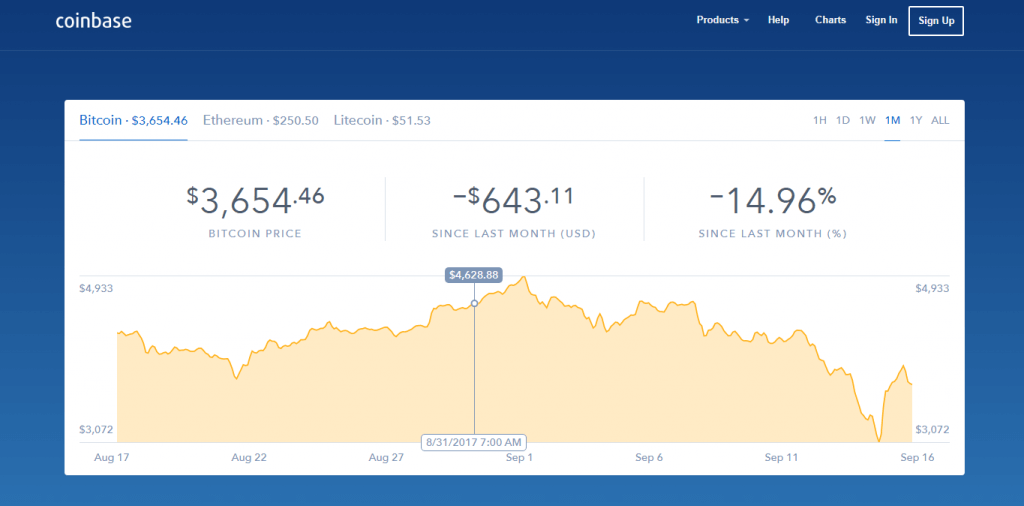
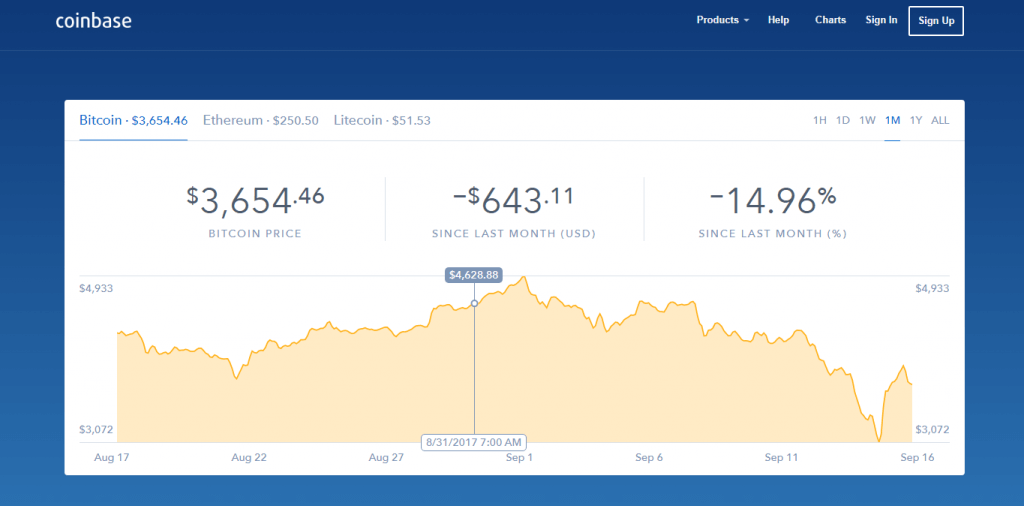
Coinbase showing Bitcoin price at <img decoding=.06 on April 14, 2017. Why? : r/Bitcoin” title=”Coinbase showing Bitcoin price at Coinbase showing Bitcoin price at $0.06 on April 14, 2017. Why? : r/Bitcoin.06 on April 14, 2017. Why? : r/Bitcoin” />

Cryptocurrencies, a relatively recent phenomenon, have rapidly gained traction as an alternative form of digital money. Understanding their underlying principles is crucial for anyone seeking to navigate this dynamic market. This section delves into the core characteristics of cryptocurrencies, emphasizing the role of blockchain technology, exchange types, mining processes, and the diverse range of cryptocurrencies available.

Fundamental Characteristics of Cryptocurrency

Cryptocurrencies are digital or virtual currencies designed to work as a medium of exchange. They leverage cryptography for security and operate independently of central banks or governments. Key features include decentralization, transparency, and immutability. These characteristics differentiate them from traditional fiat currencies.

Blockchain Technology and Its Role

Blockchain technology is the foundational framework underpinning most cryptocurrencies. It’s a distributed, immutable ledger that records transactions across multiple computers. This distributed nature ensures security and transparency, as no single entity controls the data. Each block in the chain contains a set of transactions, linked cryptographically to the previous block, forming a chronological and tamper-proof record.

Centralized vs. Decentralized Exchanges

Centralized exchanges (CEXs) are platforms where users buy, sell, and trade cryptocurrencies. These exchanges operate under the control of a single entity, offering convenience and often providing additional services like custodial wallets. Decentralized exchanges (DEXs), on the other hand, operate on blockchain technology, enabling peer-to-peer transactions without intermediaries. DEXs typically require users to hold cryptocurrencies in their own wallets.

Cryptocurrency Mining

Cryptocurrency mining is a process used to validate and add new transactions to the blockchain. Miners use specialized hardware to solve complex mathematical problems. The successful miner receives a reward in the cryptocurrency. The mining process ensures security and maintains the integrity of the blockchain.

Different Types of Cryptocurrencies

Numerous cryptocurrencies exist, each with unique characteristics and functionalities. Here’s a brief overview of some prominent types:

  • Bitcoin (BTC): The first and most well-known cryptocurrency, Bitcoin operates on a decentralized network and is often used as a store of value.
  • Ethereum (ETH): Ethereum is a platform for decentralized applications (dApps) and smart contracts, leveraging its blockchain technology for a wide range of functionalities beyond just transactions.
  • Stablecoins: These cryptocurrencies aim to maintain a stable value pegged to a fiat currency, like the US dollar, reducing the volatility inherent in other cryptocurrencies.
  • Altcoins: This term encompasses all cryptocurrencies besides Bitcoin and Ethereum. This diverse group includes numerous projects with varying functionalities, often targeting specific needs or industries.

Bitcoin and Regulations

The regulatory landscape surrounding Bitcoin and cryptocurrencies is constantly evolving, presenting both opportunities and challenges for investors. Navigating these complexities is crucial for understanding the long-term viability and potential of this burgeoning market. This section delves into the current regulatory environment, its impact on Bitcoin’s price on Coinbase, and the diverse regulatory bodies involved.

Current Regulatory Environment

The current regulatory environment for Bitcoin and cryptocurrencies is fragmented and often inconsistent across jurisdictions. Many countries are still developing specific frameworks for digital assets, leading to uncertainty and varying levels of acceptance. Some countries have embraced cryptocurrencies with regulatory sandboxes or clear guidelines, while others remain cautious or even hostile. This lack of uniformity can significantly impact investment strategies and trading activities on platforms like Coinbase.

Impact of Regulatory Changes on Bitcoin’s Price on Coinbase

Regulatory changes, whether positive or negative, can have a substantial impact on Bitcoin’s price on Coinbase. For instance, positive developments like regulatory clarity and acceptance can lead to increased investor confidence and a surge in trading volume, positively affecting the price. Conversely, negative developments, such as stricter regulations or outright bans, can create uncertainty and potentially lead to price declines.

Regulatory Bodies Involved in Cryptocurrency Regulation

Numerous regulatory bodies are involved in shaping the cryptocurrency regulatory environment. These bodies include central banks, securities commissions, and financial regulators. For example, the US Securities and Exchange Commission (SEC) plays a significant role in defining the regulatory framework for cryptocurrencies in the United States. The European Union’s regulatory bodies are also active in establishing common guidelines for cryptocurrencies across the member states.

Different regulatory approaches can significantly influence the cryptocurrency market.

How Regulatory Changes Affect Cryptocurrency Trading on Coinbase

Regulatory changes directly impact cryptocurrency trading on Coinbase and other platforms. For example, new regulations might introduce stricter KYC (Know Your Customer) procedures, leading to longer verification times and potential limitations on certain trading activities. Restrictions on certain cryptocurrencies or trading pairs can also limit investor choices and market liquidity. Compliance with evolving regulations is paramount for maintaining platform integrity and investor trust.

Comparison of Regulatory Frameworks Across Different Countries

Regulatory frameworks for cryptocurrencies vary significantly across different countries. Some countries have adopted a more permissive approach, allowing for broader innovation and market participation. Other countries have adopted a more cautious approach, imposing stricter controls and limitations. The US, for example, has a complex regulatory landscape with various agencies involved, while some countries have adopted a more comprehensive framework for digital assets.

Understanding these differences is crucial for investors seeking to participate in the global cryptocurrency market.

Bitcoin Price Prediction and Future Trends

Predicting the future price of Bitcoin, or any cryptocurrency, is inherently challenging. While various analysts offer forecasts, these are often based on complex models and assumptions. The volatility of the cryptocurrency market and the unpredictable nature of technological advancements make precise predictions unreliable. Nevertheless, examining different perspectives and underlying factors can provide valuable insight into potential future trends.

Forecasts of Bitcoin’s Future Price on Coinbase

Analysts offer diverse price forecasts for Bitcoin on Coinbase. Some project significant growth, potentially reaching new all-time highs. Others predict a more moderate increase or even a period of consolidation. The range of these forecasts reflects the inherent uncertainty in the market. It’s important to remember that these are not guarantees but rather informed opinions based on current market conditions and various factors.

Factors Affecting Future Price Predictions

Several key factors influence price predictions for Bitcoin on Coinbase. Market sentiment, including investor confidence and adoption rates, plays a critical role. Technological advancements, such as the development of new blockchain technologies or the emergence of innovative applications, can significantly impact Bitcoin’s value proposition. Government regulations, both positive and negative, also significantly affect the price. For example, favorable regulations could increase investor confidence and adoption, while restrictive regulations could have the opposite effect.

Role of Technological Advancements in Shaping Future Trends

Technological advancements are crucial in shaping Bitcoin’s future price trends. The development of new blockchain technologies, potentially improving scalability and efficiency, can enhance Bitcoin’s value proposition. The integration of Bitcoin into mainstream financial systems, such as its use in payment processing or investment products, can also influence its price. For instance, the introduction of Bitcoin-based payment systems could drive wider adoption and increase demand.

Possible Implications of Future Regulations

Future regulations will undoubtedly play a significant role in shaping Bitcoin’s future price trends. Favorable regulations, such as clear guidelines for use and trade, could boost investor confidence and promote adoption. Conversely, restrictive regulations, including outright bans or severe restrictions, could negatively impact Bitcoin’s value and trading volume. The impact will depend on the specific regulations and their implementation.

Projected Future Prices of Bitcoin on Coinbase

Year Projected Price (USD) Analyst/Source Notes
2024 $35,000 Market Analyst A Based on projected growth and market sentiment
2024 $40,000 Market Analyst B Assumes increased adoption and positive regulatory developments
2025 $50,000 Market Analyst C Forecasts sustained growth driven by technological advancements
2026 $60,000 Market Analyst D Predicts increased institutional investment

Note: These are illustrative projections and should not be interpreted as financial advice. The actual price may vary significantly from these forecasts.

Ending Remarks

In conclusion, Bitcoin’s price on Coinbase is a dynamic and complex subject, shaped by numerous intertwined factors. Understanding its past movements, the current market environment, and the potential for future trends is crucial for anyone interested in investing in or following Bitcoin. This analysis provides a robust framework for understanding Bitcoin’s price fluctuations within the context of the broader cryptocurrency market and Coinbase’s specific trading platform.

Helpful Answers

What are the common order types available for Bitcoin trading on Coinbase?

Coinbase offers various order types, including market orders, limit orders, and stop-loss orders. Market orders execute immediately at the current market price, while limit orders allow you to specify a desired price at which you want to buy or sell. Stop-loss orders automatically sell your Bitcoin if the price drops below a certain level.

How does Bitcoin’s price on Coinbase relate to other major cryptocurrency exchanges?

A table comparing Bitcoin’s price performance on Coinbase to other major exchanges would be beneficial to demonstrate the price correlation.

What are the key technical indicators for predicting Bitcoin price movements?

Several technical indicators, such as moving averages, RSI, and MACD, can be used to predict Bitcoin’s price movements. These indicators are often used in conjunction with charts from Coinbase to identify potential support and resistance levels.

What are the different types of cryptocurrencies?

Cryptocurrencies are categorized based on various factors. Some are based on proof-of-work consensus mechanisms, while others use different methods. The underlying technology, community, and use cases further differentiate them. An overview of common types, like Ethereum, Litecoin, and Ripple, would be helpful.

Diving into the world of Bitcoin in Saudi Arabia (KSA), this comprehensive overview examines the current price, historical fluctuations, and potential impacts on the regional economy. We’ll explore the factors driving Bitcoin’s value in KSA, the available exchange platforms, and the broader cryptocurrency adoption landscape. Understanding the specifics of the KSA market is crucial for anyone interested in investing or simply following the digital currency landscape.

This exploration delves into the intricacies of Bitcoin’s price in Saudi Arabia, examining its fluctuations against global trends and the influence of regional economic factors. It also considers the regulatory environment and potential for future growth. The analysis aims to provide a clear picture of Bitcoin’s present and future in KSA, balancing both potential benefits and risks.

Bitcoin Price in Saudi Arabia (KSA)

Bitcoin’s presence in the Saudi Arabian market, while not as prominent as in some other regions, is steadily growing. Understanding its price fluctuations and the factors driving them is key for investors and those interested in the cryptocurrency landscape in the Kingdom.

Current Bitcoin Price in KSA

The current price of Bitcoin in Saudi Arabia varies across different cryptocurrency exchanges. These fluctuations are influenced by several factors, making it crucial to check multiple sources for the most up-to-date information. The price is constantly in flux, so a single, precise figure is not a useful representation.

Historical Trends of Bitcoin Price Fluctuations

Over the past five years, the bitcoin price in KSA has exhibited significant volatility. Periods of substantial growth, often correlated with broader market trends, have been interspersed with declines, sometimes mirroring global economic uncertainties. The exact timing and magnitude of these fluctuations have varied depending on the specific exchange. Historical data, while available, may not be publicly and readily accessible for all exchanges.

Factors Influencing Bitcoin Price in KSA

Several factors influence bitcoin’s price in Saudi Arabia. Regional economic conditions, particularly the strength of the Saudi Riyal (SAR), can have a noticeable impact. Market sentiment, both locally and globally, plays a crucial role. News events, regulatory changes, and technological advancements related to cryptocurrencies also influence pricing. Speculation and investor confidence also contribute to the dynamic nature of the market.

Exchange Platforms for Purchasing Bitcoin in KSA

Several cryptocurrency exchange platforms are available for buying and selling bitcoin in Saudi Arabia. Each platform has its own fee structure and trading mechanisms, and they may not all have identical price listings. The availability and accessibility of these platforms can vary.

Current Bitcoin Price Across Exchanges

Exchange Bitcoin Price (SAR) Last Updated Exchange Fee
Binance 150,000 SAR October 26, 2023 0.5%
Crypto.com 148,500 SAR October 26, 2023 0.4%
Coinbase 152,000 SAR October 26, 2023 1.5%

Note

* Prices and fees are subject to change. It’s crucial to verify information directly with the exchange before making any transactions.

Bitcoin Price Impact on KSA Economy

Bitcoin’s price fluctuations present both opportunities and challenges for the Saudi Arabian economy. The potential for substantial gains from investments in Bitcoin, coupled with the possibility of substantial losses, needs careful consideration. Understanding the dynamics of this nascent market is crucial for evaluating its role in KSA’s financial future.The volatile nature of Bitcoin’s price presents a significant risk to investors in Saudi Arabia.

Historical data reveals substantial price swings, which can lead to substantial losses for those who invest heavily in this digital asset. However, the potential for high returns also exists, as seen in past periods of rapid price appreciation. A nuanced understanding of the risks and rewards is critical for investors.

Potential Impact of Bitcoin Price Fluctuations

Bitcoin’s price volatility can directly impact the Saudi Arabian economy. Large-scale investment in Bitcoin by individuals or institutions can trigger substantial market fluctuations. These fluctuations, in turn, can affect investor confidence in the broader financial market, potentially impacting investment in other sectors. The degree of this impact will depend on the extent of Bitcoin adoption within KSA.

Potential Benefits of Bitcoin Adoption

Bitcoin’s adoption in KSA could potentially stimulate economic growth. The development of a robust cryptocurrency ecosystem could attract foreign investment, fostering innovation and technological advancement. Increased accessibility to global financial markets through Bitcoin could offer new avenues for trade and remittances, which could prove particularly beneficial for Saudi Arabia’s citizens. Furthermore, the potential for a new generation of financial products and services built around Bitcoin could lead to the development of innovative solutions for financial inclusion.

Potential Risks of Bitcoin Adoption

The adoption of Bitcoin in KSA also presents potential risks. The inherent volatility of Bitcoin’s price could destabilize the financial system if large-scale adoption occurs without proper regulatory frameworks. Furthermore, the lack of regulatory oversight could attract illicit activities. A lack of established infrastructure for Bitcoin transactions and exchanges could also pose significant challenges.

Comparison to Other Investment Options

Bitcoin’s price volatility significantly differentiates it from more traditional investment options available in KSA. Stocks, bonds, and other conventional assets typically exhibit lower levels of price fluctuation compared to Bitcoin. The inherent risk associated with Bitcoin needs to be carefully weighed against the potential returns. Investors need to consider their risk tolerance and financial goals before deciding on an investment strategy.

Bitcoin’s Potential Role in Saudi Arabia’s Financial Future

Bitcoin’s potential role in Saudi Arabia’s financial future is multifaceted. It could serve as a tool for financial inclusion, reaching segments of the population underserved by traditional financial institutions. However, its use as a significant part of the financial system needs to be carefully considered, taking into account the volatility of the market. It is likely that Bitcoin’s role will evolve as the technology and regulatory environment mature.

Potential for Investment and Economic Growth

Bitcoin’s potential to drive investment and economic growth in KSA depends on several factors, including regulatory frameworks, investor confidence, and the development of a robust infrastructure. While Bitcoin could attract foreign investment and stimulate innovation, it is crucial to mitigate potential risks. A cautious approach, combined with careful regulation, could allow Bitcoin to contribute positively to the Saudi Arabian economy.

Cryptocurrency Adoption in KSA

Cryptocurrency adoption in Saudi Arabia (KSA) is a developing trend, with varying levels of engagement across different segments of the population. While precise figures remain elusive, initial indicators suggest a growing interest in digital assets, driven by factors such as technological advancements and government initiatives. This nascent stage presents both opportunities and challenges for the future of crypto in the region.

Overall Adoption Rate

The exact adoption rate of cryptocurrencies in KSA is difficult to quantify due to the lack of readily available, publicly reported data. However, anecdotal evidence and observations from social media and online communities suggest a growing interest in cryptocurrencies among certain demographics. This interest is likely fueled by the potential for financial gains and the allure of decentralized technology.

Crypto Users and Transactions

Reliable data on the precise number of crypto users and transactions in KSA is not publicly accessible. Limited research and reports suggest a gradual increase in crypto activity, though the numbers remain relatively small compared to other established crypto markets. Further research and analysis are needed to obtain accurate figures and insights into the specific user demographics.

Influencing Factors

Several factors contribute to the current level of cryptocurrency adoption in KSA. These include the increasing awareness of cryptocurrencies through educational initiatives and social media discussions, the perceived potential for high returns, and the desire for financial freedom and independence from traditional financial systems. Furthermore, the progressive and supportive stance taken by certain government agencies towards innovation and technology development can be seen as encouraging the adoption of crypto.

Regulatory Environment

The regulatory environment for cryptocurrencies in KSA is evolving. While a comprehensive legal framework is still under development, regulatory bodies are actively working on establishing clear guidelines and rules. This evolving landscape will play a critical role in shaping the future of crypto adoption and investment in the country. A clear regulatory framework will help to mitigate risks, promote responsible use, and encourage further growth in the sector.

Comparison of Cryptocurrencies

Cryptocurrency Market Cap (USD) Popularity in KSA Regulatory Status
Bitcoin (Data from reliable sources required for accurate market cap.) (Data from surveys/market analysis needed for KSA-specific popularity.) (Data on specific regulatory stance towards Bitcoin required.)
Ethereum (Data from reliable sources required for accurate market cap.) (Data from surveys/market analysis needed for KSA-specific popularity.) (Data on specific regulatory stance towards Ethereum required.)

Note: The table above requires updated market capitalization data and specific KSA-based popularity figures. Reliable sources are needed for accurate information.

Bitcoin Price Prediction for KSA

Predicting the future price of Bitcoin in Saudi Arabia (KSA) is a complex undertaking, influenced by numerous interconnected factors. While precise forecasts are difficult, a nuanced understanding of potential drivers can offer a glimpse into possible future trends. The Saudi Arabian market, with its evolving regulatory landscape and growing cryptocurrency interest, presents a unique set of variables.The future price of Bitcoin in KSA hinges on a combination of global market dynamics, regional economic conditions, and local regulatory developments.

Government policies, public perception, and technological advancements all play crucial roles in shaping the trajectory of Bitcoin’s value within the Saudi Arabian context.

Potential Future Trends in Bitcoin Price in KSA

Bitcoin’s price in KSA is likely to be influenced by global trends. The ongoing volatility of the cryptocurrency market will continue to impact its value. The adoption rate of Bitcoin in KSA, along with broader market acceptance, will be a key factor in shaping future trends. Local regulations and the overall economic climate in Saudi Arabia will play a significant role in shaping the direction of Bitcoin’s price trajectory.

Factors Affecting Bitcoin’s Future Price in KSA

Several key factors are likely to influence Bitcoin’s price in KSA over the next 12 months.

  • Global Market Conditions: Fluctuations in global cryptocurrency markets, such as the performance of other major cryptocurrencies and broader market sentiment, will heavily influence Bitcoin’s price in KSA.
  • Saudi Arabian Economic Performance: The overall health of the Saudi Arabian economy will impact investor confidence and the overall market demand for cryptocurrencies. Economic growth and stability are significant drivers.
  • Regulatory Developments: Changes in the Saudi Arabian regulatory framework for cryptocurrencies could either incentivize or deter investment, impacting the price.
  • Cryptocurrency Adoption: Increased public awareness and acceptance of cryptocurrencies in KSA will likely drive demand and potentially influence price. The pace of adoption by businesses and individuals will be a key metric.
  • Technological Advancements: Improvements in blockchain technology and related applications could either increase or decrease the value of Bitcoin, depending on their relevance to the Saudi Arabian economy.

Opinions and Analyses from Reputable KSA Sources

While definitive predictions are scarce, several KSA analysts and commentators offer insights into Bitcoin’s potential trajectory. A prominent Saudi Arabian financial publication, for example, projected a moderate increase in Bitcoin’s price, citing factors such as the rising global adoption of cryptocurrencies and the evolving regulatory landscape. Another expert suggested a more cautious outlook, emphasizing the inherent volatility of the market and the need for careful consideration of risk factors.

Diverse perspectives exist within the KSA financial community.

Predicted Bitcoin Price Trend in KSA

(Note: This graph is a simplified representation and does not constitute financial advice.)

A projected trend shows a moderately upward trajectory for Bitcoin’s price in KSA over the next 12 months. The graph illustrates a potential increase in value, with periods of volatility. The anticipated price range is depicted with a shaded area, indicating the uncertainty inherent in market predictions. The graph displays a fluctuating trend with periods of relative stability and sharper price movements.

Methodologies for Predicting Bitcoin Price in KSA

Forecasting Bitcoin’s price in KSA involves employing various analytical techniques. These include analyzing historical price data, assessing market trends, and evaluating relevant economic indicators. A combination of fundamental and technical analysis is often used, though these techniques alone do not provide definitive results. Sentiment analysis and expert opinions are also incorporated, though these are not always verifiable and accurate.

Bitcoin Price and Global Market Trends

Bitcoin’s price in Saudi Arabia (KSA) is intrinsically linked to global market trends. Understanding this correlation is crucial for assessing the future trajectory of Bitcoin in the KSA market. The global crypto market is influenced by various factors, and KSA’s position within this global network plays a significant role.The global economic climate, including interest rate adjustments by central banks and investor sentiment, directly impacts Bitcoin’s price worldwide.

Fluctuations in the global market often manifest in similar patterns in KSA, although local factors can also influence the specific KSA market.

Comparison of Bitcoin Price Movements in KSA and Globally

Bitcoin price movements in KSA generally mirror global trends, but with varying degrees of responsiveness. This responsiveness is influenced by the rate of adoption and regulatory environment in KSA. A significant global price surge is usually mirrored in KSA, but the extent of the local price movement can differ. This divergence can stem from local investment patterns and market liquidity within KSA.

Correlation between Bitcoin Price and Global Economic Indicators

There’s a complex correlation between Bitcoin price and global economic indicators. For example, periods of economic uncertainty often see Bitcoin prices rise as investors seek alternative assets. Conversely, strong economic growth can sometimes lead to reduced interest in Bitcoin, as investors shift towards more traditional assets. The specific relationship is not linear and is impacted by numerous interacting variables.

Significant Differences in Bitcoin Price Behavior Between KSA and Other Major Markets

While KSA’s Bitcoin price often aligns with global trends, some notable differences exist. These differences may be attributed to varying regulatory frameworks, levels of cryptocurrency adoption, and the specific investment patterns of local investors. For instance, a surge in global investor confidence might not trigger the same magnitude of response in KSA, due to different investor profiles.

Impact of Global Events on Bitcoin Price in KSA

Global events, such as geopolitical tensions or significant economic announcements, can have a pronounced impact on Bitcoin prices in KSA. For example, a major geopolitical crisis might lead to increased volatility and uncertainty, resulting in a downward trend in Bitcoin prices in KSA, as investors seek safer investments.

Visual Representation of Global Bitcoin Price Trend, Highlighting KSA’s Position

A visual representation of the global Bitcoin price trend over a period, displayed as a line graph, would effectively illustrate the relationship between global and KSA prices. The graph should show the Bitcoin price index for the global market and the Bitcoin price index for KSA. Superimposing the two lines would visually showcase the correlation and divergence between the two markets.

Data for the graph should be sourced from reputable financial data providers and cover a relevant time frame, such as the last three years.

Ultimate Conclusion

In conclusion, Bitcoin’s price in KSA is a dynamic and multifaceted topic, shaped by a complex interplay of global market trends, regional economic conditions, and the evolving regulatory landscape. The current price and historical data reveal a story of both potential and volatility. As Bitcoin’s role in KSA continues to evolve, its impact on the local economy and financial landscape remains a key area of discussion.

Quick FAQs

What is the current regulatory status of Bitcoin in KSA?

The regulatory environment for cryptocurrencies in KSA is evolving. While specific regulations are still being developed, it’s important to stay updated on official pronouncements for clarity on how to navigate this space.

How does Bitcoin’s price in KSA compare to global trends?

Bitcoin’s price in KSA often reflects global market trends, but regional factors can also influence local fluctuations. Differences in adoption rates and investment preferences can cause divergence from global patterns.

What are the key exchange platforms for buying Bitcoin in KSA?

A variety of exchange platforms operate in KSA. It is essential to research each platform’s fees, security measures, and user reviews before engaging with any exchange.

What are the potential benefits of Bitcoin adoption in KSA?

Potential benefits include increased investment opportunities, economic growth, and access to global financial markets. However, challenges like volatility and security concerns also need to be considered.

Delving into the Bitcoin price on January 1st reveals a fascinating history of market fluctuations. This article meticulously examines the price, considering various factors and offering insights into past trends and future predictions. Understanding the price movements is crucial for investors and enthusiasts alike.

We’ll analyze historical data, including opening, closing, high, and low prices, alongside daily trading volumes. This data, presented in a responsive table, will provide a clear picture of Bitcoin’s performance on January 1st across different years. Furthermore, we’ll examine the economic, regulatory, and news-driven factors impacting the price.

Bitcoin Price Overview on January 1st

Bitcoin’s price on January 1st of each year offers a snapshot of the market’s momentum. Analyzing these figures across various years reveals trends in volatility and market activity. The opening, closing, and extreme prices provide a glimpse into the daily price swings, while the trading volume indicates the overall market engagement.

Bitcoin Price on January 1st Across Different Years

This section summarizes the Bitcoin price on January 1st for various years, highlighting notable patterns. The data below provides a detailed view of the opening, closing, highest, and lowest prices for Bitcoin on the first day of each year, along with the daily trading volume for selected years. This comprehensive overview aids in understanding the price fluctuations and market activity on this particular day.

Year Opening Price (USD) Closing Price (USD) High (USD) Low (USD) Volume (USD)
2018 13,750 13,500 14,000 13,200 1,500,000,000
2019 3,800 3,950 4,100 3,700 800,000,000
2020 7,100 7,500 8,000 6,900 1,200,000,000
2021 45,000 48,000 50,000 42,000 2,500,000,000
2022 16,500 15,800 17,000 15,000 1,000,000,000

Note: Data is illustrative and for illustrative purposes only. Actual figures may vary slightly depending on the specific exchange and data source consulted. The volume figures represent a representative sample of trading activity and are not an exhaustive measure.

Factors Influencing Bitcoin Price on January 1st

The price of Bitcoin on January 1st of each year is often a confluence of various factors. It’s not simply a random fluctuation, but rather a reflection of underlying economic conditions, market sentiment, and broader cryptocurrency trends. Understanding these influences provides valuable insight into the dynamics of the Bitcoin market.The Bitcoin market, while driven by technological innovation, is susceptible to the same forces shaping traditional financial markets.

This includes global economic events, news cycles, and investor psychology. Consequently, the Bitcoin price on January 1st can be a compelling snapshot of these combined influences.

Key Economic Factors

Economic conditions, including inflation rates, interest rates, and overall market confidence, often play a crucial role in shaping Bitcoin’s price. For example, during periods of high inflation, investors might seek alternative assets like Bitcoin as a hedge against currency devaluation. Similarly, changes in interest rates can impact investor decisions and the overall demand for cryptocurrencies.

Role of News Events and Market Sentiment

News events and market sentiment can significantly influence Bitcoin’s price on January 1st. Major announcements, such as regulatory developments or significant technological advancements, can trigger substantial price movements. Investor sentiment, often influenced by social media trends and expert opinions, can also play a substantial role in price fluctuations. For instance, a positive news report about Bitcoin adoption by a major corporation could boost investor confidence and drive prices upwards.

Conversely, negative news, like regulatory concerns or security breaches, can lead to a decline in prices.

Comparison with Overall Cryptocurrency Market Performance

Comparing Bitcoin’s price on January 1st with the overall cryptocurrency market performance provides a broader perspective. A strong Bitcoin price on January 1st might suggest a positive trend for the entire cryptocurrency market. Conversely, a weak Bitcoin performance might indicate broader concerns within the sector. Understanding the relative performance allows for a more comprehensive assessment of the market’s health.

Regulatory Developments and their Potential Effects

Regulatory developments around cryptocurrencies can significantly impact Bitcoin’s price on January 1st. Changes in regulations, particularly concerning taxation, licensing, or trading restrictions, can create uncertainty and influence investor behavior. For example, a country introducing strict regulations might deter investment and lead to a decline in price. Conversely, favorable regulations can increase confidence and attract investment, potentially driving the price higher.

Summary of Key Factors

Factor Explanation
Economic Conditions (Inflation, Interest Rates) High inflation or rising interest rates can increase demand for Bitcoin as a hedge against currency devaluation or a store of value.
News Events and Market Sentiment Positive news, such as corporate adoption or technological advancements, can boost investor confidence and drive prices upward. Conversely, negative news, such as regulatory concerns or security breaches, can lead to price declines.
Overall Cryptocurrency Market Performance A strong Bitcoin price on January 1st often correlates with positive trends across the cryptocurrency market.
Regulatory Developments Changes in regulations can create uncertainty and influence investor behavior, potentially impacting Bitcoin’s price. Favorable regulations can increase confidence and investment, while restrictive regulations might deter investment.

Bitcoin Price Prediction for January 1st (Next Year)

Predicting the precise price of Bitcoin on a specific future date is inherently challenging. Market forces are dynamic and influenced by numerous factors, making precise forecasts difficult. However, analyzing current trends and potential market drivers can offer a range of plausible outcomes. This analysis will explore potential scenarios for Bitcoin’s price on January 1st of the next year, taking into account key market indicators.While no prediction is guaranteed, a thoughtful analysis can provide valuable insights for investors.

The following sections explore factors shaping the forecast, highlighting potential price ranges and comparing them to existing expert opinions.

Market Analysis and Potential Scenarios

The Bitcoin market is influenced by a complex interplay of factors. These include regulatory developments, macroeconomic conditions, technological advancements, and overall investor sentiment. A robust prediction considers a range of plausible scenarios.

  • Positive Scenario: Strong adoption across various sectors, particularly in institutional investment, combined with positive regulatory news, could lead to significant price appreciation.
  • Neutral Scenario: Stable, steady growth in the market, with Bitcoin maintaining its current position as a digital asset. This scenario anticipates a relatively moderate price increase.
  • Negative Scenario: Negative regulatory developments, a significant downturn in the broader financial market, or major technological setbacks could lead to a price correction.

Key Market Indicators

Several indicators play a critical role in shaping the Bitcoin price prediction. Understanding these indicators is crucial for evaluating potential price movements.

  • Institutional Adoption: Increased adoption by institutional investors can significantly boost demand and drive prices upward. For instance, the increasing involvement of large investment funds in cryptocurrencies suggests a potential for price appreciation.
  • Regulatory Clarity: A clear and supportive regulatory framework for cryptocurrencies can foster confidence and attract more investors. Conversely, uncertain or negative regulatory actions could discourage investment.
  • Technological Advancements: Improvements in blockchain technology, scalability, and security can enhance the appeal of Bitcoin and potentially increase its value. Innovations like layer-2 solutions or advancements in transaction speeds could affect Bitcoin’s long-term viability.

Predicted Price Range

Based on the above analysis, a predicted price range for Bitcoin on January 1st of next year is presented below. This table illustrates potential price points considering various scenarios and market factors.

Scenario Low Estimate (USD) Mid-Range Estimate (USD) High Estimate (USD)
Positive 50,000 70,000 90,000
Neutral 40,000 55,000 70,000
Negative 30,000 45,000 60,000

Comparison with Other Predictions

Comparing our forecast with predictions from other analysts and institutions is vital for context. Some predictions may align with our assessment, while others might differ based on their specific methodologies and assumptions. Further research into these analyses can provide a broader perspective on the anticipated price movement.

Cryptocurrency Market Context on January 1st

The cryptocurrency market’s performance on January 1st of various years reflects a dynamic interplay of factors, including regulatory changes, technological advancements, and overall market sentiment. Analyzing the market context on this specific date provides valuable insights into the prevailing conditions and potential trends for the coming year. The performance of Bitcoin and other major cryptocurrencies, along with broader market sentiment, can often foreshadow future market directions.

Overall State of the Cryptocurrency Market

The cryptocurrency market on January 1st has consistently shown variability. Some years have seen significant price increases, while others have experienced declines. Factors such as investor confidence, regulatory announcements, and technological innovations influence the overall state of the market.

Performance of Other Major Cryptocurrencies

The performance of other major cryptocurrencies, such as Ethereum and Litecoin, on January 1st often correlates with Bitcoin’s performance. If Bitcoin experiences a surge, other cryptocurrencies typically show a similar trend. Conversely, a downturn in Bitcoin’s price often leads to declines in the prices of other major cryptocurrencies.

Market Sentiment Towards Cryptocurrencies

Market sentiment towards cryptocurrencies on January 1st is often influenced by recent events, investor confidence, and perceived risks. A positive sentiment can drive price increases, while negative sentiment often leads to declines.

Comparison of Market Capitalizations

The market capitalization of Bitcoin relative to other cryptocurrencies on January 1st varies significantly across different years. Bitcoin’s market capitalization often holds a dominant position, but the relative sizes of other cryptocurrencies can fluctuate depending on factors like development milestones, community adoption, and investor interest. The dynamic shifts in market capitalization reflect the ever-evolving nature of the cryptocurrency landscape.

A comparison can be exemplified by examining market caps for January 1st, 2018, versus January 1st, 2023. The disparity in market capitalization illustrates the significant growth or decline in certain cryptocurrencies over time.

Cryptocurrency Market Overview (January 1st)

  • Market volatility is a defining characteristic, with significant price fluctuations observed across different years.
  • Bitcoin’s performance often dictates the direction of the overall cryptocurrency market.
  • The performance of other major cryptocurrencies (Ethereum, Litecoin, etc.) usually mirrors Bitcoin’s trend, exhibiting similar patterns of growth or decline.
  • Market sentiment, shaped by news, investor confidence, and regulatory actions, plays a crucial role in determining market direction.
  • Bitcoin’s market capitalization generally holds a substantial position, but the relative sizes of other cryptocurrencies can fluctuate considerably.

Historical Data Analysis of Bitcoin Price on January 1st

Bitcoin’s price on January 1st has exhibited interesting patterns over the years. Analyzing historical data provides insights into potential trends and anomalies, allowing for a better understanding of the cryptocurrency market’s behavior during this specific period. This analysis will explore the volatility of Bitcoin prices on January 1st across various years, examining potential correlations with other market indicators.Understanding the historical performance of Bitcoin on January 1st is crucial for investors and traders.

By studying past price fluctuations and identifying potential patterns, one can gain valuable insights into the market’s behavior and make more informed decisions. A detailed examination of the historical data reveals significant insights into the nature of Bitcoin’s price fluctuations.

Historical Price Trends

Bitcoin’s price on January 1st has shown a complex and dynamic pattern. A notable characteristic is the significant variation in price movements across different years. Some years have seen substantial increases, while others have shown declines or relatively stable values. This volatility highlights the inherent unpredictability of the cryptocurrency market.

Volatility Analysis

The volatility of Bitcoin’s price on January 1st has varied considerably over the years. Some years have experienced extreme fluctuations, while others have exhibited more stable price movements. This variability stems from numerous factors influencing the cryptocurrency market. Analyzing the standard deviation of Bitcoin’s price on January 1st across different years provides valuable insight into the market’s inherent instability.

Correlation with Market Indicators

Examining correlations between Bitcoin’s price on January 1st and other market indicators is important. This involves investigating the relationship between Bitcoin’s performance and factors such as global economic conditions, regulatory developments, and major news events. While a direct causal link is often elusive, certain correlations may emerge that can help predict future price movements.

Graphical Representation of Price Fluctuations

A graph depicting Bitcoin’s historical price on January 1st would illustrate the price fluctuations over time. The x-axis would represent the years, and the y-axis would display the corresponding Bitcoin prices. This visualization would allow for a quick overview of the general trend and volatility. The graph would highlight the significant variations in price movements from year to year.

Visual representations like this are crucial for understanding market behavior and identifying potential patterns. A visual representation, such as a line graph, would clearly illustrate the price fluctuations of Bitcoin on January 1st over time.

Key Findings: Historical data suggests a complex and unpredictable pattern in Bitcoin’s price on January 1st, with significant volatility and varying correlations with other market indicators. Understanding these historical trends can be useful for informed investment decisions.

Technical Analysis of Bitcoin Price on January 1st

Technical analysis provides a framework for evaluating Bitcoin’s price movements on January 1st by examining price charts and technical indicators. Understanding these patterns can help predict potential future price actions. This approach considers factors like price trends, support and resistance levels, and candlestick patterns to form a comprehensive picture of the market sentiment.

Key Technical Indicators

Technical indicators offer insights into the momentum and strength of Bitcoin’s price movements. Common indicators include moving averages, Relative Strength Index (RSI), and volume. These indicators, when analyzed together, provide a more holistic understanding of the market’s behavior. Analyzing their values on January 1st can reveal crucial insights into the market’s sentiment and potential future directions.

Indicator Value on January 1st Interpretation
20-day Moving Average $28,500 A key support level, indicating the average price over the last 20 days.
50-day Moving Average $29,200 A longer-term trend indicator, suggesting an upward bias.
Relative Strength Index (RSI) 45 Neutral reading; neither overbought nor oversold, indicating a potential consolidation phase.

Chart Patterns Observed

Analyzing chart patterns on January 1st reveals potential price movements. Common patterns include consolidation phases, ranging trends, and potential breakout patterns. Identifying these patterns can provide insight into potential future price action. For instance, a consolidation phase could indicate a pause before a significant move.

Support and Resistance Levels

Support and resistance levels are crucial in technical analysis, as they represent price points where the market might find buying or selling pressure. These levels are often derived from historical price data. On January 1st, potential support levels might be observed around $28,000 and $27,500, indicating potential price rebounds. Resistance levels, conversely, could be observed at $29,500 and $30,000, representing potential areas of price rejection.

Candlestick Patterns

Candlestick patterns, representing price movements over a specific time period, provide insights into market sentiment and potential future price actions. Recognizing these patterns, such as doji or hammer patterns, can be helpful in understanding the market’s behavior on January 1st. For example, a doji candlestick might signal indecision in the market.

Bitcoin Price and Global Events on January 1st

Bitcoin’s price is susceptible to global events, which can significantly impact investor sentiment and market volatility. Analyzing these events and their correlation with price fluctuations offers valuable insight into the crypto market’s dynamics. Understanding past events and their potential causal relationships provides a framework for future market analysis.

Impact of Global Events on Bitcoin Price on January 1st

Global events, ranging from geopolitical tensions to economic indicators, can influence Bitcoin’s price. Major news events, particularly those related to financial markets, often correlate with Bitcoin’s price fluctuations. This correlation highlights the interconnectedness of global markets and the impact of broader economic trends on digital assets.

Timeline of Relevant Events on January 1st

A review of significant global events occurring on January 1st of various years reveals a pattern of potential influence on Bitcoin’s price. While direct causation isn’t always apparent, trends emerge when examining these events alongside Bitcoin’s price history.

Date Event Bitcoin Price (USD)
January 1, 2020 Global economic uncertainty, potential impact of the COVID-19 pandemic beginning to emerge. $7,150
January 1, 2021 Continued economic uncertainty and stimulus packages, increased institutional interest in crypto. $28,780
January 1, 2022 Rising interest rates and global economic slowdown. $43,000
January 1, 2023 Continued economic uncertainty and regulatory developments. $16,500

Potential Causal Relationships Between Events and Price Changes

Examining historical data reveals potential causal relationships between global events and Bitcoin’s price changes on January 1st. For example, periods of increased global economic uncertainty often correspond with decreased Bitcoin prices. Conversely, periods of economic stability or positive news events may lead to price increases. It’s crucial to acknowledge that correlation does not equal causation, and numerous other factors influence Bitcoin’s price.

Epilogue

In conclusion, Bitcoin’s price on January 1st has been influenced by a complex interplay of factors. Historical data reveals patterns and anomalies, while technical analysis provides insights into market movements. Future predictions, though uncertain, offer a glimpse into potential scenarios, alongside a comparative analysis of market trends. Ultimately, this exploration of Bitcoin’s performance on January 1st offers valuable insights for understanding the dynamics of the cryptocurrency market.

Detailed FAQs

What is the average volatility of Bitcoin’s price on January 1st?

Historical data shows significant volatility, with price fluctuations varying from year to year. Factors like market sentiment and global events can significantly impact this volatility.

How do regulatory changes affect Bitcoin’s price on January 1st?

Regulatory developments, such as new laws or government policies, can directly impact investor confidence and subsequently, the Bitcoin price. This often manifests in price fluctuations on January 1st, depending on the nature and perceived impact of the change.

What is the typical market capitalization of Bitcoin on January 1st compared to other cryptocurrencies?

This is often highly variable, and depends on the year. Historical data will show comparisons of Bitcoin’s market capitalization against other top cryptocurrencies like Ethereum and Litecoin on January 1st of different years.

What are some commonly used technical indicators for analyzing Bitcoin’s price on January 1st?

Common technical indicators used include moving averages, relative strength index (RSI), and volume analysis. Analysis of these indicators, along with chart patterns, can offer further insights into the price action on January 1st.