April 25, 2026

website design

Branding website design is not just about aesthetics; it’s about creating a cohesive experience that resonates with your audience. As we delve into the core principles of effective branding in web design, you’ll discover how a well-crafted identity can enhance user experience and drive engagement. From color schemes to typography, every element plays a vital role in conveying your brand’s story.

This exploration will highlight key components of branding within website design, providing insights into user-centric strategies and the impact of responsive design. By examining successful case studies and future trends, you’ll gain a comprehensive understanding of how to elevate your web presence through thoughtful branding.

Importance of Branding in Website Design

Branding is much more than just a logo or a catchy tagline; it encompasses the overall perception of a company in the eyes of its customers. In website design, effective branding is crucial for delivering a consistent message and creating a cohesive user experience. A strong brand can help differentiate a business in a crowded marketplace and establish credibility with visitors.When a visitor lands on a website, their experience is heavily influenced by the brand identity presented through design elements such as color schemes, typography, and imagery.

A cohesive branding strategy translates into a seamless user experience, where every aspect of the site aligns with the brand’s values and goals. This alignment not only enhances aesthetic appeal but also fosters trust and encourages user engagement.

Role of Brand Identity in User Experience

Brand identity plays a pivotal role in shaping user experience on a website. It encompasses the visual components that communicate the brand’s personality and values. Elements such as logos, color palettes, and fonts work together to create a unique representation of the brand that users can recognize and relate to. This visual consistency is vital for establishing a strong emotional connection with the audience.For instance, consider the website for Apple.

The minimalist design, combined with a sleek color palette predominantly featuring white and silver, reflects the brand’s focus on simplicity and innovation. Each product page is designed to showcase the products without distraction, enhancing user experience while reinforcing brand identity.Another example is Nike’s website. The bold use of vibrant colors, dynamic imagery, and engaging typography mirrors the brand’s energetic and active persona.

This branding approach not only grabs attention but also resonates with the target audience, creating a sense of community and belonging.Effective branding also influences users’ perceptions of quality and professionalism. A well-branded website instills a sense of trust, encouraging users to spend more time exploring the site and ultimately leading to higher conversion rates. In summary, the integration of brand identity into website design is essential for crafting a meaningful user experience that aligns with business objectives and resonates with the target audience.

Key Elements of Effective Branding in Website Design

Creating a strong brand identity online is essential for any business aiming to engage its audience effectively. The right website design not only attracts visitors but also communicates the core values and personality of a brand. Understanding the key elements of effective branding in website design is crucial for establishing a memorable online presence. This segment will delve into the essential components that shape a brand and how they can be effectively integrated into website design.

Essential Components of Branding in Website Design

When designing a website, several components are integral to conveying a brand’s identity. These components work together to create a cohesive visual narrative that resonates with users. The leading elements include:

  • Logo: The logo is the cornerstone of any brand identity. It should be prominently displayed and easily recognizable, serving as a visual anchor for the website.
  • Color Scheme: A consistent color palette enhances brand recognition and evokes emotional responses. Color choice can influence a visitor’s perception and engagement level.
  • Typography: The style and arrangement of text contribute significantly to readability and brand personality. Choosing the right fonts can convey a brand’s tone, be it professional, playful, or innovative.
  • Imagery: Visual elements such as photos and graphics should reflect the brand’s ethos and support the overall message of the site.

Significance of Color Schemes and Typography in Brand Representation

Color schemes and typography are not just aesthetic choices; they are powerful tools in shaping brand perception. The selection of colors can evoke specific emotions and associations. For instance, blue often conveys trust and reliability, while red can evoke excitement and urgency. Typography also plays a critical role; it affects both readability and the tone of the content. A playful font may attract a younger demographic, while a sleek, modern typeface might appeal to a corporate audience.

“Consistency in color and typography is key to building trust and recognition in your brand.”

To illustrate, brands like Coca-Cola and Apple have meticulously crafted their color palettes and typography to foster instant recognition, creating a seamless connection between their visual identity and the consumer experience.

Methods for Integrating Logos and Visual Elements Seamlessly

Integrating logos and visual elements into a website layout requires strategic planning. To ensure that these elements enhance the user experience rather than distract from it, consider the following methods:

  • Placement: Position logos prominently in the header or footer of the website, ensuring they are visible on all pages without being intrusive.
  • Responsive Design: Logos and visual elements should adapt seamlessly across devices, maintaining clarity and impact whether viewed on a mobile phone or desktop.
  • Consistent Style: Ensure that visual elements follow the same design language as the overall website, including matching color schemes and stylistic choices.
  • Whitespace Utilization: Use whitespace strategically to give logos and visuals breathing room, enhancing their overall impact and visibility on the page.

In summary, a well-thought-out approach to branding in website design can significantly enhance user engagement and brand loyalty. By focusing on the essential components, carefully selecting color schemes and typography, and seamlessly integrating visual elements, you can create a memorable online presence that truly reflects your brand’s identity.

User-Centric Branding Strategies

User-centric branding is all about aligning your brand with the needs and preferences of your target audience. When designing a website, it’s crucial to create an experience that resonates with users on a personal level. Open communication and understanding the user journey empower brands to craft a more engaging online presence. This approach not only enhances user satisfaction but also strengthens brand loyalty.Understanding your audience is the foundation of successful branding strategies.

It involves researching user behaviors, preferences, and pain points to tailor the website’s design and functionality accordingly. User-centric branding strategies focus on creating a seamless experience that reflects the target audience’s expectations, which can be achieved through consistent messaging, visuals, and usability.

Designing for Target Audience Preferences

Creating a website that aligns with the preferences of your target audience requires careful planning and execution. Consider the following factors that help to ensure your website resonates with users:

Audience Research

Conduct surveys, interviews, and focus groups to gather insights on user preferences and behaviors. Understanding demographics, interests, and pain points helps shape a more tailored experience.

Personalization

Implement personalization features, such as personalized content recommendations or dynamic layouts that adapt based on user behavior. This can enhance engagement and create a sense of belonging.

Visual Identity

Align the website’s visual elements—such as color schemes, typography, and imagery—with the brand’s identity and the preferences of the target audience. For instance, a youthful brand may opt for vibrant colors and playful fonts, while a luxury brand may use muted tones and elegant typefaces.

Mobile Optimization

Ensure that the website is responsive and works seamlessly across various devices. Given the increase in mobile browsing, a user-friendly mobile experience is crucial for retaining audience attention.

User Experience Principles Checklist

When implementing branding on your website, keeping user experience principles in mind is essential. The following checklist can guide your design process:

Simplicity

Strive for a clean, uncluttered layout that prioritizes clarity. Users should be able to navigate easily without distractions.

Consistency

Use consistent branding elements throughout the website, such as logos, color schemes, and fonts. This fosters familiarity and trust.

Accessibility

Ensure that your website meets web accessibility standards so that all users, including those with disabilities, can navigate and interact with your site effectively.

Fast Load Times

Optimize website performance to reduce load times. A slow website can frustrate users and lead to high bounce rates.

Clear Calls to Action (CTAs)

Use clear and compelling CTAs that guide users towards desired actions, such as signing up, purchasing, or exploring more content.

Gathering User Feedback for Refining Branding Elements

Gathering user feedback is crucial for continuously refining branding elements and ensuring they align with user expectations. The following methods can be employed to effectively collect feedback:

Surveys and Polls

Utilize online surveys to gather user opinions on various aspects of the website, such as design, functionality, and overall experience. Make these surveys brief and focused to encourage participation.

User Testing Sessions

Conduct user testing sessions where real users navigate the website while providing real-time feedback. Observing how users interact can reveal pain points and areas for improvement.

Heatmaps and Analytics

Use tools like heatmaps and analytics software to track user behavior on the website. Analyzing data on clicks, scrolls, and navigation patterns can highlight areas of interest and confusion.

Feedback Forms

Integrate feedback forms directly on the website, allowing users to share their thoughts easily. This can provide ongoing insights into user satisfaction.

Community Engagement

Foster a community around your brand through social media platforms or forums. Engaging with users in these spaces can yield invaluable qualitative feedback on branding initiatives.

Impact of Responsive Design on Branding

Responsive website design plays a crucial role in shaping how a brand is perceived across various devices. In today’s digital landscape, where users access websites using smartphones, tablets, and desktops, the importance of a responsive design cannot be overstated. A seamless experience across different screen sizes not only enhances user satisfaction but also reinforces brand credibility and trust.Responsive design significantly impacts brand perception by ensuring that a brand’s visual identity remains consistent, regardless of the device being used.

A well-executed responsive design conveys professionalism and attention to detail, while a poorly designed mobile interface can detract from the brand’s image. With users increasingly shifting towards mobile browsing, a responsive website can make or break a brand’s success in the digital realm.

Branding Challenges Between Desktop and Mobile Formats

Understanding the differences between desktop and mobile formats is essential for maintaining brand integrity. Desktop websites often utilize larger images, complex layouts, and detailed content, while mobile designs require simplified interfaces and condensed information to facilitate quick access and navigation. These differing requirements can lead to unique branding challenges.To illustrate the potential challenges and considerations in maintaining brand consistency across devices, the following table Artikels key aspects to focus on:

Key Considerations Desktop Format Mobile Format
Visual Identity High-resolution images and intricate design elements Simplified visuals that retain brand colors and logos
User Experience Detailed navigation and extensive content Intuitive touch navigation and concise information
Load Speed Typically higher bandwidth usage Optimized for faster loading on mobile connections
Typography Varied font sizes and styles for different sections Legible typefaces with scalable sizes for readability
Call to Action (CTA) Multiple CTAs visible on screen Single, prominent CTA to reduce clutter

Responsive design not only addresses these challenges but also fosters a cohesive brand image that resonates with users, irrespective of the device they choose. By providing a consistent and user-friendly experience, brands can effectively make a lasting impression and build loyalty in an increasingly mobile world.

Case Studies of Branding Website Design

Corporate Branding Identity | ubicaciondepersonas.cdmx.gob.mx

The transformation of a brand’s web presence can significantly impact its visibility and customer engagement. This section explores notable case studies that showcase successful and unsuccessful branding efforts in website design. By analyzing these examples, we can draw valuable lessons about effective branding strategies and the evolution of design trends over the past decade.

Successful Case Studies

Several brands have successfully transformed their web presence, enhancing their branding through effective website design. Notable examples include Airbnb, Nike, and Apple.

  • Airbnb: In 2014, Airbnb revamped its website to reflect a more user-friendly interface while emphasizing community and experience. This shift included high-quality imagery and a consistent color palette. The redesign led to a 30% increase in bookings within six months.
  • Nike: Nike’s website focuses on a seamless shopping experience with personalized content based on user behavior. The brand utilizes storytelling through rich visuals and interactive elements, which has contributed to a 50% increase in conversion rates.
  • Apple: Apple continuously evolves its website to align with its sleek product designs. The integration of minimalist design principles and high-definition product imagery creates a visually stunning experience that reinforces brand identity. This approach has solidified Apple’s position as a market leader.

Lessons from Unsuccessful Efforts

Not all branding efforts yield positive results. Analysis of failed website designs reveals critical lessons about the importance of user experience and brand consistency.

  • Gap: In 2010, Gap attempted a logo change that was met with public backlash. The new design did not resonate with customers, leading to a swift reversal and a loss of brand trust. This incident highlights the importance of audience feedback in branding decisions.
  • MySpace: Once a leading social media platform, MySpace’s cluttered and unresponsive website design contributed to its decline. The lack of focus on user experience and adaptability to mobile devices led to a significant loss in user engagement. This illustrates the need for brands to evolve with changing digital landscapes.

Evolution of Branding Design Trends

Over the last decade, branding design trends have evolved significantly, driven by advancements in technology and shifts in consumer behavior. Key trends have included:

  • Responsive Design: The rise of mobile usage necessitated websites that adapt seamlessly to various screen sizes. Brands that embraced responsive design saw improved user retention and engagement rates.
  • Minimalism: A trend towards simplicity has dominated branding design, favoring clean lines and ample white space. This approach enhances readability and allows brands to communicate their message more effectively.
  • Personalization: Tailoring website experiences to individual users through data-driven insights has become essential. Brands leveraging personalized content have seen increased customer loyalty and conversion rates.

“A strong web presence not only boosts your brand visibility but also cultivates customer trust and loyalty.”

Future Trends in Branding and Website Design

The digital landscape is constantly evolving, and with it, the strategies surrounding branding and website design. As we look ahead to the coming years, several emerging trends are poised to redefine how brands present themselves online. These trends not only reflect advancements in technology but also a growing awareness of sustainability and ethics in branding practices.One significant trend is the increasing personalization of user experiences.

Brands are leveraging data analytics to tailor their websites to individual preferences, creating a more engaging and relevant experience for users. This shift towards personalization is expected to drive deeper connections between brands and their audiences, enhancing brand loyalty.

Emerging Trends Influencing Branding

To understand the future of branding within website design, it’s essential to recognize the following emerging trends:

  • Augmented Reality (AR) and Virtual Reality (VR): These technologies are set to transform how consumers interact with brands, allowing for immersive experiences that can showcase products in innovative ways. Imagine a virtual fitting room that lets users try on clothes or accessories from the comfort of their home.
  • Voice Search Optimization: As voice-activated devices become more prevalent, optimizing websites for voice search will be critical. Brands must adapt their content strategies to accommodate this shift, ensuring they remain visible in an increasingly voice-driven digital landscape.
  • Micro-Interactions: Small design changes that respond to user actions create a dynamic experience. These elements help humanize brands and make digital interactions feel more personal and engaging.
  • Minimalism and Simplified Interfaces: A focus on clean, intuitive designs will continue to dominate website trends. This approach enhances usability and directs attention to essential content, making user navigation seamless.
  • Inclusive Design: Brands are recognizing the need to create accessible websites for all users, regardless of their abilities. Incorporating inclusive design principles demonstrates a brand’s commitment to diversity and equality.

Technology Shaping Branding Strategies

Technology is playing a pivotal role in shaping branding strategies. Brands are increasingly turning to artificial intelligence (AI) and machine learning to analyze consumer behavior. This data-driven approach allows brands to predict future trends and customer needs, enabling them to tailor their offerings accordingly. For instance, chatbots powered by AI provide immediate customer support, improving user experience and fostering brand trust.

As this technology continues to evolve, expect brands to increasingly adopt AI for more personalized marketing campaigns, streamlining the customer journey from discovery to purchase.

Sustainability and Ethical Branding

The importance of sustainability and ethical branding in web design practices cannot be overstated. More consumers are prioritizing brands that demonstrate a commitment to environmental responsibility and ethical practices. This trend is likely to influence how brands design their websites, with an emphasis on eco-friendly hosting solutions, sustainable sourcing of materials, and transparent business practices.Brands are expected to communicate their sustainability efforts clearly through their websites, showcasing eco-friendly products, sharing their carbon footprint reduction goals, and engaging in fair trade practices.

By integrating these elements into web design, brands not only enhance their image but also resonate with a growing demographic of environmentally conscious consumers.

“Brands that embrace sustainability and ethical considerations will not only foster loyalty but also differentiate themselves in a crowded marketplace.”

Conclusion

In conclusion, mastering branding website design is essential for creating a lasting impression in the digital landscape. As we’ve discussed, integrating user feedback, understanding responsive design challenges, and staying ahead of emerging trends are crucial for brand success. By implementing these strategies, you can ensure that your website not only represents your brand effectively but also resonates deeply with your audience.

FAQ Overview

What is the role of branding in website design?

Branding establishes a cohesive identity that enhances user experience and builds trust.

How can I gather user feedback for branding elements?

Utilize surveys, focus groups, and analytics tools to understand user preferences and refine branding.

What are the key elements to include in branding website design?

Essential elements include color schemes, typography, logos, and visual consistency throughout the site.

How does responsive design affect brand perception?

Responsive design ensures a consistent brand experience across devices, enhancing user trust and engagement.

What future trends should I consider for branding website design?

Keep an eye on sustainability, ethical branding, and the integration of advanced technologies in design strategies.
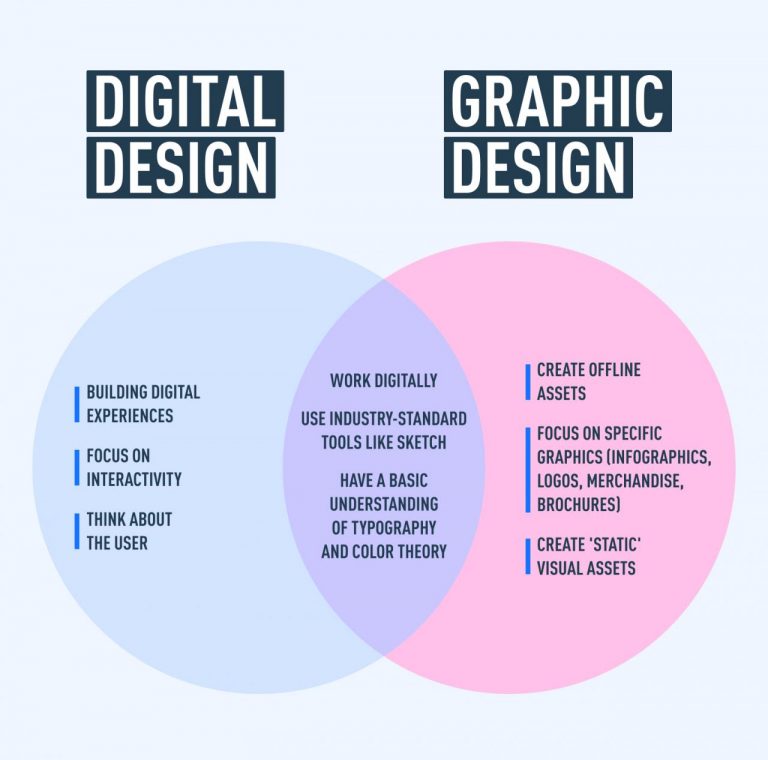
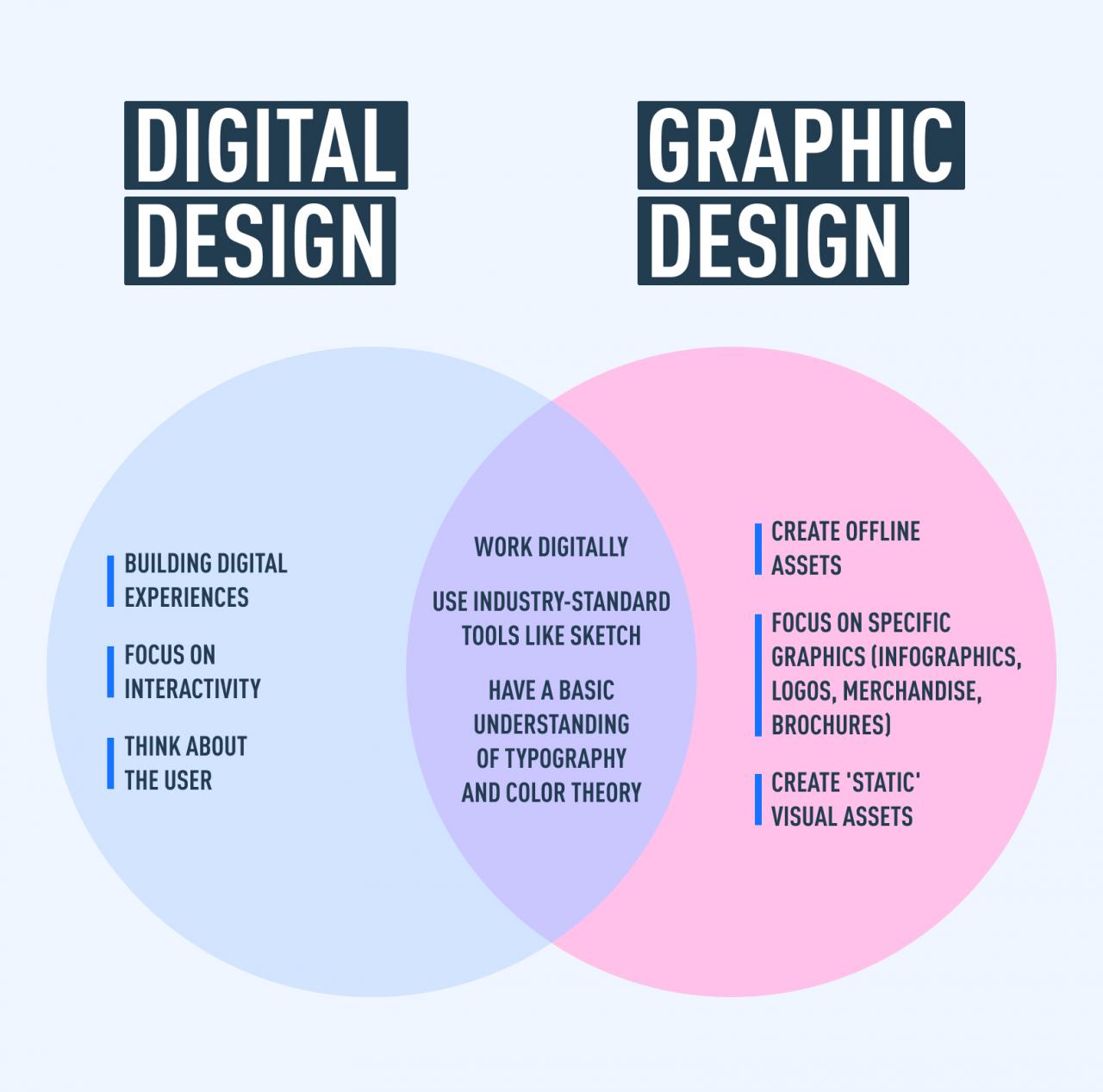
Design and marketing services are crucial for any business looking to thrive in today’s competitive landscape. This guide delves into the core components of a successful design and marketing strategy, exploring everything from crafting compelling brand identities to optimizing digital marketing campaigns.

From initial client communication to analyzing campaign performance, we’ll cover essential strategies and practical advice. This detailed overview equips you with the knowledge to make informed decisions and elevate your business through effective design and marketing practices.

Introduction to Design and Marketing Services

Design and marketing services encompass a wide range of activities aimed at enhancing a brand’s visibility, attracting customers, and ultimately driving sales. These services leverage creativity, strategy, and technology to craft compelling narratives and experiences that resonate with target audiences. They play a critical role in establishing a strong brand presence and achieving business objectives.A comprehensive design and marketing service offering typically includes various elements, from initial brand development to ongoing campaign management.

This multifaceted approach ensures a consistent and impactful brand message across all touchpoints. These services are tailored to meet specific business needs and goals, optimizing strategies for maximum effectiveness.

Core Components of a Comprehensive Offering

A comprehensive design and marketing service frequently involves a combination of design, branding, and marketing activities. The core components typically include market research to understand target audiences, brand strategy development to establish a clear identity, graphic design for visual consistency, website development for online presence, content creation for engaging audiences, digital marketing campaigns for targeted reach, and ongoing performance analysis to optimize strategies.

These elements work together to build a strong and recognizable brand.

Types of Businesses Utilizing These Services

A diverse range of businesses across various industries benefit from design and marketing services. Small startups can leverage these services to establish a professional image and gain a competitive edge. Established companies may use them to refresh their brand identity or introduce new products/services. Non-profits often employ design and marketing to raise awareness and secure funding. Examples include businesses in retail, technology, hospitality, and healthcare.

The needs and objectives vary depending on the industry, but the core principles of attracting customers and building a strong brand remain consistent.

Examples of Successful Design and Marketing Campaigns

Numerous campaigns have successfully employed innovative design and marketing strategies. One notable example is the “Think Different” campaign by Apple, which resonated with a specific target audience and helped establish a unique brand identity. Similarly, Nike’s use of powerful storytelling and imagery in their marketing campaigns effectively connected with consumers and created a strong emotional connection with their products.

These campaigns showcase the power of effective design and marketing to create impactful and memorable experiences.

Key Differentiators Between Service Providers

Factor Small Agencies Mid-Sized Agencies Large Agencies
Agency Size Typically 1-10 employees 10-50 employees 50+ employees
Specializations Often focused on specific niches or industries Broader range of specializations, but may not have expertise in all areas Extensive specializations, offering a wide range of services
Pricing Models Often project-based or hourly May offer project-based, retainer, or value-based pricing Generally utilize retainer or value-based pricing
Client Support Generally high level of direct contact with the client Good client support, but possibly less direct contact compared to small agencies Client support is typically structured and efficient

This table Artikels key differences in agency size, specializations, and pricing models, highlighting the variety of service providers available. Understanding these distinctions can help businesses choose the right partner for their specific needs and budget.

Understanding the Client Relationship

Effective client relationships are paramount to the success of any design and marketing project. Building trust and maintaining open communication channels ensures that projects are completed to the client’s satisfaction and fosters long-term partnerships. This section delves into the crucial aspects of client relationship management, emphasizing communication, onboarding, and feedback strategies.Strong client relationships are not just about completing projects; they are about understanding the client’s needs and goals, and tailoring solutions to achieve optimal results.

This proactive approach fosters a positive experience and builds a foundation for future collaborations.

Effective Communication Strategies

Open and honest communication is the cornerstone of successful client relationships. Clear communication prevents misunderstandings, clarifies expectations, and ensures that the project aligns with the client’s vision. Active listening and the ability to effectively articulate project updates are essential skills for designers and marketers. Furthermore, tailoring communication styles to individual client personalities enhances the client experience and strengthens the relationship.

Building Strong Client Relationships

Building strong client relationships is an iterative process, requiring consistent effort and a focus on mutual understanding. The essential steps include initial onboarding, regular project updates, and proactive communication regarding potential challenges. Consistent communication and proactive issue resolution are key elements to achieving client satisfaction.

  • Establish Clear Communication Channels: Define preferred methods of communication (email, phone, video conferencing) from the outset. This ensures that the client feels comfortable reaching out and receiving updates.
  • Set Realistic Expectations: Transparency about project timelines, deliverables, and potential roadblocks builds trust and avoids surprises.
  • Proactive Problem Solving: Anticipate potential issues and address them before they escalate, demonstrating responsiveness and attentiveness.
  • Regular Project Updates: Provide consistent updates on project progress, highlighting milestones achieved and addressing any concerns.
  • Actively Seek Feedback: Regularly solicit feedback from the client to gauge their satisfaction and make necessary adjustments.

Client Onboarding Processes

A well-structured onboarding process sets the stage for a successful client relationship. It establishes clear expectations, defines roles, and ensures everyone is on the same page. A comprehensive onboarding process should include an initial project kick-off meeting, a detailed project brief, and a clear understanding of the client’s goals.

  • Initial Project Kick-Off Meeting: This meeting allows for a thorough introduction of the project team and client, establishing rapport and setting clear expectations. It’s an opportunity to Artikel the project scope, timeline, and budget.
  • Detailed Project Brief: A comprehensive brief ensures all stakeholders are aligned on the project’s objectives, deliverables, and key performance indicators (KPIs).
  • Client Communication Handbook: Providing a handbook detailing the project workflow, communication protocols, and reporting mechanisms ensures consistent communication throughout the project.

Handling Client Feedback and Concerns

Constructive feedback is invaluable for project improvement and client satisfaction. A proactive approach to addressing feedback ensures that projects align with the client’s evolving needs and vision. Responding promptly and professionally to client concerns demonstrates a commitment to resolving issues effectively and efficiently.

  • Acknowledge and Thank Feedback: Always acknowledge the feedback, even if it’s critical. Thank the client for their input and express your appreciation for their perspective.
  • Listen Empathetically: Listen actively to the client’s concerns and try to understand their perspective, even if you disagree.
  • Offer Solutions and Alternatives: Provide clear and concise solutions to address the client’s concerns, along with alternative options if necessary.
  • Document and Follow Up: Document the feedback and concerns, along with the agreed-upon solutions. Follow up to ensure the issues have been resolved.

Communication Tools and Platforms

Utilizing the appropriate communication tools and platforms enhances efficiency and streamlines project management. Different platforms cater to various communication needs and client preferences. A well-structured communication plan ensures seamless collaboration.

Tool/Platform Description Use Case Client Benefit
Email Standard communication method General updates, project briefs, and correspondence Convenience, accessibility
Project Management Software (e.g., Asana, Trello) Centralized platform for task management and communication Tracking progress, assigning tasks, and facilitating discussions Transparency, organization
Video Conferencing (e.g., Zoom, Google Meet) Real-time interaction Project kick-off meetings, progress reviews, and feedback sessions Clarity, direct interaction
Instant Messaging (e.g., Slack, WhatsApp) Quick communication for immediate updates Quick questions, updates, and troubleshooting Efficiency, speed

Exploring Design Services

Visual design is paramount in today’s marketing landscape. A compelling visual identity not only grabs attention but also conveys brand values and fosters customer engagement. Effective design communicates a brand’s personality and builds trust with potential customers, ultimately driving conversions and brand loyalty.

Significance of Visual Design in Marketing

Visual design is more than just aesthetics; it’s a powerful tool for conveying information and establishing a strong brand presence. Well-designed visuals can communicate complex ideas with clarity and impact, while poor design can lead to confusion and a negative brand perception. This is why careful consideration of visual elements is critical for any successful marketing strategy. A strong visual identity helps a brand stand out in a crowded marketplace, making it more memorable and easily recognizable.

Types of Design Services Offered

A wide array of design services are available to support marketing efforts. These include, but are not limited to, logo design, branding, website design, and graphic design.

  • Logo Design: A logo is a visual representation of a brand, serving as its signature. A well-designed logo is instantly recognizable and communicates the brand’s essence. It should be memorable, versatile, and adaptable across various mediums.
  • Branding: Branding encompasses the entire process of creating a unique identity for a product or company. It involves defining the brand’s personality, values, and target audience. A cohesive brand identity ensures consistent messaging across all platforms.
  • Website Design: A website is often the first point of contact for potential customers. A well-designed website not only presents information effectively but also provides a positive user experience. A user-friendly website can significantly impact conversion rates.
  • Graphic Design: Graphic design encompasses a broader range of visual communication tools, including posters, brochures, social media graphics, and advertisements. Effective graphic design utilizes visual elements to convey information clearly and persuasively.

Creating Effective Brand Identities

A strong brand identity is fundamental to achieving marketing success. Developing a compelling brand identity involves several key steps:

  • Defining Brand Values: Clearly articulating the core values of the brand is essential. These values should be reflected in all aspects of the brand’s communication.
  • Understanding Target Audience: A thorough understanding of the target audience is crucial to tailor the brand’s messaging and design elements to resonate with them.
  • Developing a Brand Voice: A consistent brand voice helps maintain a unified brand identity across various platforms and interactions.
  • Creating Visual Elements: Visual elements, including logos, color palettes, and typography, should reflect the brand’s personality and values.

Design Principles Applied in Marketing

Design principles guide the creation of effective and engaging visuals. These principles are applied in various marketing contexts, such as website design, social media graphics, and print advertisements. Examples of principles include:

  • Balance: Visual balance ensures that elements are distributed evenly, creating a sense of stability and harmony.
  • Contrast: Contrast highlights specific elements, drawing attention to key information.
  • Emphasis: Emphasis draws attention to specific elements to highlight important information.
  • Proportion: Proportion refers to the size and scale of elements in relation to one another, creating a sense of visual hierarchy.

Importance of UX Design

User experience (UX) design focuses on creating user-friendly interfaces that enhance engagement and satisfaction. A well-designed UX can significantly impact user experience and lead to higher conversion rates. Good UX design considers every aspect of the user’s interaction with a product or service.

Stages in a Typical Website Design Project

Stage Description Tasks Timeline
Project Initiation Defining project scope, goals, and deliverables. Client meetings, project brief creation, resource allocation. 1-2 weeks
Design & Planning Creating wireframes, mockups, and sitemaps. Information architecture, user flow diagrams, visual design development. 2-4 weeks
Development & Implementation Building the website according to design specifications. Coding, testing, integration of content management systems (CMS). 4-8 weeks
Testing & Quality Assurance Thorough testing to ensure functionality and user experience. Usability testing, bug fixing, performance optimization. 1-2 weeks
Launch & Maintenance Website launch and ongoing maintenance. Website deployment, training, ongoing support. 1 week

Examining Marketing Services

10 Tips for Achieving Great Design - Infographic

Marketing services are crucial for businesses to connect with their target audience, build brand awareness, and drive sales. A well-defined marketing strategy, informed by data and tailored to specific objectives, is vital for success in today’s competitive landscape. This section explores various marketing services, highlighting their importance and practical application.

Types of Marketing Services

Different marketing services cater to diverse business needs. These include social media marketing, content marketing, search engine optimization (), email marketing, and more. Each service plays a distinct role in a comprehensive marketing strategy, contributing to overall brand visibility and customer engagement.

Data-Driven Marketing Strategies

Data-driven marketing is essential for effective campaigns. Analyzing customer behavior, website traffic, and campaign performance enables businesses to optimize their strategies, allocate resources effectively, and maximize return on investment (ROI). Data insights reveal trends, preferences, and pain points, facilitating informed decision-making and improving campaign effectiveness. A/B testing and other analytical techniques are critical components of data-driven marketing.

Developing a Comprehensive Marketing Plan

A comprehensive marketing plan Artikels the steps to achieve specific marketing goals. It encompasses market research, target audience identification, campaign development, budget allocation, and performance measurement. The plan acts as a roadmap, ensuring all marketing activities align with overall business objectives. A well-defined plan provides a clear framework for tracking progress and making necessary adjustments.

Key Performance Indicators (KPIs) for Measuring Success

Key performance indicators (KPIs) are crucial for measuring the effectiveness of marketing campaigns. These metrics provide quantifiable data to assess campaign performance, identify areas for improvement, and demonstrate the value of marketing efforts. Examples include website traffic, conversion rates, engagement metrics (likes, shares, comments), and customer acquisition cost. Tracking KPIs allows for continuous optimization and adaptation of strategies.

Examples of Successful Social Media Campaigns

Numerous successful social media campaigns demonstrate the power of targeted messaging and engaging content. For example, campaigns leveraging user-generated content often resonate strongly with audiences. Successful campaigns often use interactive elements, contests, and influencer collaborations to increase brand visibility and drive engagement.

Social Media Marketing Strategies

Social Media Platform Typical Marketing Strategies Target Audience Key Performance Indicators (KPIs)
Facebook Targeted advertising, community building, running contests and giveaways, posting engaging content Diverse, broad demographic, individuals of all ages and backgrounds Reach, engagement, website traffic, conversions, cost per acquisition
Instagram Visually appealing content, influencer collaborations, behind-the-scenes glimpses, interactive stories Younger demographic, visually-oriented individuals, brand enthusiasts Reach, engagement, website traffic, brand mentions, conversions
Twitter Trending topics, real-time updates, direct engagement with customers, quick responses Individuals interested in current events, news, and specific topics Reach, engagement, website traffic, retweets, mentions, conversions
LinkedIn Professional networking, industry insights, thought leadership, job postings Professionals, business leaders, recruiters, job seekers Engagement, lead generation, brand awareness, content downloads, job applications

Digital Marketing Integration

Design and marketing services are intrinsically linked with digital marketing, forming a powerful synergy for achieving business objectives. A cohesive brand message across all platforms is vital in today’s interconnected world, and this integration ensures consistency and impact. Digital marketing channels are no longer separate entities; they are vital components of a comprehensive strategy.Effective digital marketing relies on a deep understanding of the target audience and their online behavior.

This understanding, coupled with a strong design aesthetic, allows businesses to engage effectively and build lasting relationships. Integrating design principles into digital marketing campaigns leads to a more compelling and memorable user experience.

Intertwined Strategies

Design and marketing efforts are interdependent. A visually appealing website, for instance, is critical for attracting and retaining visitors. Well-designed landing pages, optimized for conversion, are integral to digital marketing campaigns. Consistent brand identity across all digital touchpoints, from social media to email marketing, reinforces brand recognition and trust.

Benefits of Cohesive Brand Messaging

Integrating design and marketing efforts fosters a cohesive brand message. This consistency reinforces brand recognition, builds trust, and ultimately, improves customer loyalty. A unified brand image across all platforms creates a stronger impression on the target audience, enhancing brand recall and making the brand more memorable. This approach results in a greater likelihood of conversions and increased customer lifetime value.

Traditional vs. Digital Marketing

Traditional marketing relies heavily on print media, broadcast advertising, and direct mail. Digital marketing, in contrast, leverages the internet and digital technologies. Digital marketing offers a wider reach, greater targeting options, and measurable results. The interactive nature of digital channels allows for immediate feedback and adjustments, enabling dynamic campaigns that respond to real-time data.

Leveraging Digital Tools and Platforms

Digital tools and platforms are crucial for optimizing marketing results. Search engine optimization () improves visibility in search engine results. Social media marketing allows brands to connect directly with their target audience, fostering engagement and building communities. Email marketing provides a direct channel for communication and nurturing leads. Paid advertising platforms, like Google Ads and social media ads, enable targeted campaigns and precise budget allocation.

Analytics tools provide valuable insights into campaign performance, enabling data-driven decisions for continuous improvement.

Successful Integrated Campaigns

Numerous successful campaigns demonstrate the power of integrated design and digital marketing. For example, a company might create a visually appealing landing page with a clear call to action to drive leads. This landing page can then be promoted through targeted social media campaigns. Another example includes using high-quality images and videos to enhance the impact of online advertising campaigns.

These examples highlight the synergistic effect of combining design elements with digital marketing strategies.

Common Digital Marketing Challenges

“Maintaining consistent brand identity across diverse digital platforms is a common challenge. Another significant hurdle is staying ahead of the ever-evolving digital landscape, which requires continuous learning and adaptation. Effectively measuring and tracking the impact of digital marketing campaigns can also be difficult, especially with the multitude of available tools and platforms.”

Future Trends in Design and Marketing Services

The design and marketing landscape is in constant flux, driven by technological advancements and evolving consumer preferences. Understanding these emerging trends is crucial for businesses to remain competitive and effectively connect with their target audiences. This section explores the transformative impact of AI, technological advancements, and the enduring role of creativity in this dynamic field.

Emerging Trends in Design and Marketing Practices

Several key trends are reshaping the way businesses approach design and marketing. These include a greater emphasis on personalized experiences, the rise of immersive technologies like augmented reality (AR) and virtual reality (VR), and a growing focus on data-driven decision-making. Businesses are increasingly leveraging data analytics to understand consumer behavior and tailor their marketing strategies accordingly. Moreover, ethical considerations are becoming more prominent in design and marketing, with a growing emphasis on responsible and sustainable practices.

Impact of Artificial Intelligence on Design and Marketing Services

AI is rapidly transforming design and marketing services. AI-powered tools are automating tasks like content creation, social media scheduling, and image generation. This automation allows marketers to focus on strategic initiatives and creative problem-solving. AI can also analyze vast amounts of data to provide insights into consumer preferences and market trends, enabling businesses to develop more effective marketing campaigns.

Examples include AI-driven design tools that generate various design options based on user input, and chatbots that provide instant customer support and gather feedback.

Technological Advancements Transforming the Design and Marketing Landscape

Technological advancements, including the rise of mobile-first experiences, the increasing adoption of cloud-based platforms, and the integration of data analytics, are transforming the way businesses interact with their customers. The seamless integration of technology across all touchpoints of the customer journey is becoming paramount. The mobile-first approach requires designers to create responsive and intuitive experiences across different devices.

Cloud-based platforms facilitate collaboration and streamline workflows, while data analytics empowers businesses to make informed decisions based on measurable results.

Role of Creativity and Innovation in the Evolving Field

Creativity and innovation remain critical in the evolving design and marketing field. While AI and technology play a significant role in automating tasks, human creativity is essential for developing unique brand identities, crafting compelling narratives, and forging genuine connections with customers. Companies are increasingly recognizing the importance of human-centered design, prioritizing the needs and desires of their target audience.

Innovative strategies, such as leveraging emerging technologies and crafting disruptive marketing campaigns, are vital for staying ahead of the competition.

Examples of Innovative Design and Marketing Strategies

Innovative design and marketing strategies encompass various approaches. These include using interactive elements in websites and apps, creating personalized product recommendations based on customer data, and incorporating gamification to increase customer engagement. Experiential marketing campaigns that create memorable and immersive brand experiences are also gaining popularity. The focus is shifting from traditional advertising to engaging customers in meaningful ways.

Future Roles of Designers and Marketers

Current Role Emerging Skill New Responsibility Impact of AI
Graphic Designer Data Visualization Brand Storyteller Assists with design iterations, content generation
Marketing Manager AI Tool Mastery Customer Experience Strategist Analyzes AI-generated insights, optimizes campaigns
Social Media Manager Content Strategy & Planning Community Engagement Leader Automates content scheduling, monitors engagement
Web Designer UX/UI Expertise Digital Experience Architect Utilizes AI-driven tools for website optimization

Final Summary

In conclusion, effective design and marketing services are vital for achieving business goals. By understanding the key components, client relationships, design principles, and marketing strategies, businesses can create impactful campaigns and build lasting customer connections. The future of design and marketing is dynamic, demanding adaptability and innovation to stay ahead of the curve.

FAQ Summary

What are the typical pricing models for design and marketing agencies?

Pricing models vary significantly depending on the agency and the scope of services. Some agencies use project-based pricing, while others offer retainer agreements. Hourly rates are also common, especially for specialized services. The chosen model will depend on the specific needs and budget of the client.

How can I measure the success of my marketing campaigns?

Key Performance Indicators (KPIs) like website traffic, conversion rates, social media engagement, and lead generation are essential metrics for assessing campaign effectiveness. Tracking these metrics allows for adjustments and optimizations to improve ROI.

What are some common challenges in digital marketing integration?

Maintaining a cohesive brand message across various digital channels, aligning marketing goals with business objectives, and keeping up with rapidly evolving technology are common hurdles. Consistent communication and data-driven decision-making are crucial to overcoming these challenges.

How can I choose the right design and marketing agency for my business?

Consider factors such as agency size, specializations, pricing models, and client testimonials. A good agency will align with your business values and demonstrate a strong understanding of your industry. Request case studies and portfolios to assess their previous work and expertise.